Pakistan's ISI Targets Defectors Amid Afghan Conflict Escalation
Synopsis
As the Afghan conflict intensifies, Pakistan is grappling with the defection of key assets to the Taliban. The ISI's elimination of these individuals reveals a shifting landscape and the challenges of maintaining control.
Key Takeaways
Pakistan's ISI is removing former assets who have defected to the Taliban.
Haji Lali Mama Nurzai's death highlights the ISI's challenges in maintaining control.
The Taliban's shift towards India is significant for regional dynamics.
The Pakistan Army faces ongoing threats from the TTP.
Pakistan's foreign policy is under scrutiny as loyalty shifts occur.
New Delhi, Feb 28 (NationPress) Amid the ongoing conflict with Afghanistan, Pakistan is awakening to the alarming reality that many of its former assets have defected, opting for the opposing side. Consequently, it has been actively removing those assets who have shifted their allegiances during the escalation of the Afghan war.
The situation for Pakistan post-2021, following the Taliban's resurgence in Afghanistan, has unfolded in a manner far from its expectations.
In a notable shift, Afghanistan has adopted a more pragmatic stance, favoring India over Pakistan, fully aware that this move is crucial for gaining international recognition.
This alteration in the Afghan Taliban's policy has inflicted significant setbacks on Pakistan, as numerous known assets are realigning themselves.
Consider Haji Lali Mama Nurzai, a prominent asset for the ISI, who had been instrumental in organizing terrorist attacks against India.
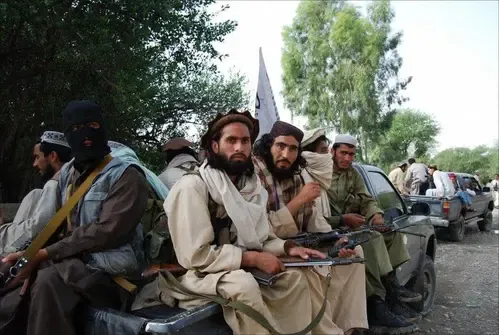
For years, Nurzai operated along the Pakistan-Afghanistan border, establishing suicide training camps and networks that prepared terrorists for guerrilla warfare.
Not only was Nurzai a vital asset for the ISI, but he also maintained a solid relationship with the Taliban.
His demise under suspicious circumstances has raised eyebrows; while the Pakistan establishment claimed it was a heart attack, intelligence agencies indicate that he was eliminated by the ISI.
The motive behind this action stemmed from the ISI's concern that Nurzai was becoming too closely aligned with the Taliban.
An official from the Intelligence Bureau reported that since the Taliban's return in 2021, the ISI has executed numerous covert operations to eliminate individuals who were once considered its assets.
While Nurzai is a well-documented case, intelligence estimates suggest that the ISI may have removed at least 40 other individuals who have pledged loyalty to the Taliban.
These former assets had served the ISI for years, but the Taliban's shift in foreign policy and Pakistan's unwarranted aggression have prompted them to reconsider their loyalties, according to the official.
Nurzai and others had gradually distanced themselves from the ISI, expressing willingness to mobilize networks in border regions against Pakistan.
This change is not solely attributed to Pakistan’s hostility towards the Taliban. Many influential figures among the tribes feel it is safer to reside in Afghanistan rather than Pakistan.
The Pakistan Army has been enduring heavy casualties at the hands of the Tehrik-i-Taliban Pakistan (TTP) in recent months.
The TTP has compiled a list of ISI assets and is actively targeting them.
Moreover, following 'Operation Sindoor,' which resulted in the Indian armed forces dismantling terror networks in Pakistan, the trust of both terrorists and assets in the Pakistan Army has been severely shaken.
While the assets nurtured by the ISI in both Pakistan and Afghanistan are now questioning the army's ability to protect them, similar concerns have arisen among members of Lashkar-e-Tayiba and Jaish-e-Mohammad, who were significantly impacted during 'Operation Sindoor,' as noted by an official.
Another official reported that many individuals in Afghanistan, once loyal to Pakistan's establishment, are now altering their stances, significantly influenced by the Taliban’s approach toward India.
India has consistently stated its commitment to diplomacy and development, making it clear that regional stability remains its top priority—something the Taliban acknowledges as well.
The former ISI associates in Afghanistan now perceive their role as mere pawns or puppets of Pakistan to be futile in the current context. This has left the ISI with minimal leverage, as its former assets, including the Taliban, have adopted an entirely new paradigm focused on diplomacy, development, and international recognition.
Officials indicate that the narrative has shifted rapidly, and Pakistan is becoming increasingly aware that its previous approach towards Afghanistan, which relied on control and coercion, is no longer effective.
The official stated that while the ISI may continue to execute shadow operations, it has undeniably lost momentum as numerous assets turn their backs on them.
Another official explained that although Pakistan might possess military superiority due to its equipment, this advantage is insufficient to prevent the defection of its assets to the territory of its adversaries.
Point of View
The ongoing shifts in loyalty among former ISI assets highlight the changing dynamics in South Asia. Pakistan's strategy, rooted in control and coercion, is increasingly being challenged by evolving alliances, particularly with the Taliban's newfound pragmatism. This situation calls for a reevaluation of diplomatic approaches to foster stability in the region.
NationPress
3 Oct 2026
Frequently Asked Questions
Why is the ISI eliminating its former assets?
The ISI is eliminating former assets who have shifted their loyalties to the Taliban, viewing them as a threat to its influence and operations.
What is the significance of Haji Lali Mama Nurzai's death?
Nurzai's death symbolizes the ISI's desperation to maintain control amidst rising defections, as he was a crucial asset with ties to the Taliban.
How has the Taliban's approach towards India changed?
The Taliban has adopted a more pragmatic approach, choosing to engage with India for potential international recognition and support.
What challenges is the Pakistan Army facing?
The Pakistan Army is experiencing heavy losses against the Tehrik-i-Taliban Pakistan (TTP), which has been targeting ISI assets.
What does the future hold for Pakistan's influence in Afghanistan?
Given the current shifts in loyalty among former assets, Pakistan's influence in Afghanistan may continue to diminish, requiring a reassessment of its foreign policy.