Pakistan polio 2026: Weak healthcare system drives ninth case in Khyber district
Synopsis
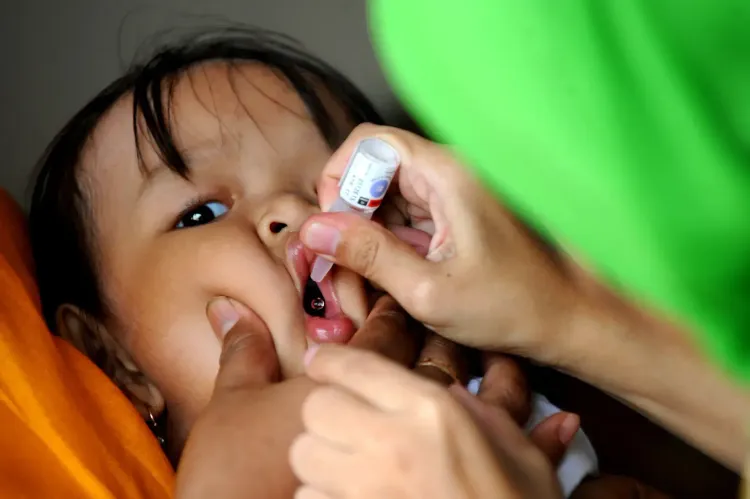
Pakistan has logged its ninth polio case of 2026, but the more damning finding is why: communities are boycotting vaccination drives to protest poor roads, no electricity, and absent healthcare — turning polio campaigns into a bargaining chip against a state they don't trust. With 400,000 vaccinators deployed and billions spent, Pakistan's polio failure is no longer about access. It is about legitimacy.
Key Takeaways
Pakistan recorded its ninth polio case of 2026 , involving a seven-month-old child in Khyber district , Khyber Pakhtunkhwa .
It is the seventh polio case from Khyber Pakhtunkhwa this year alone.
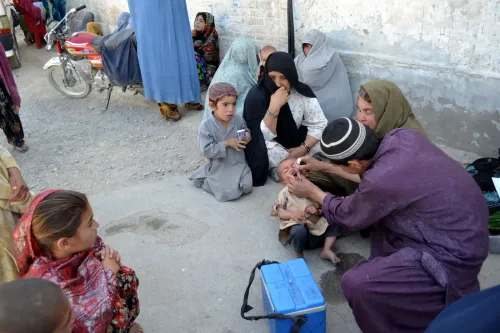
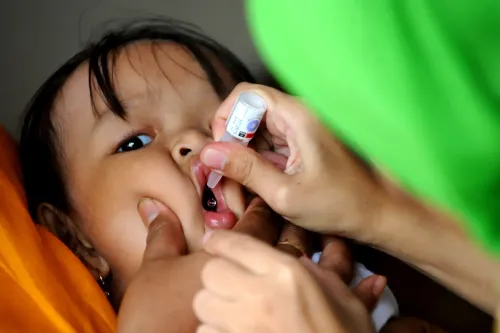
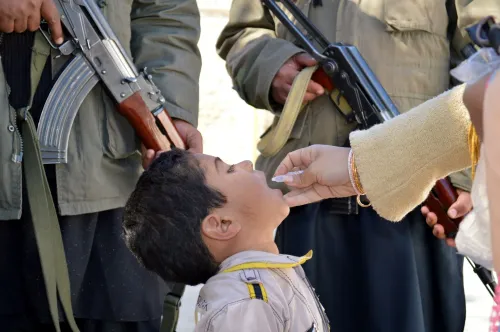
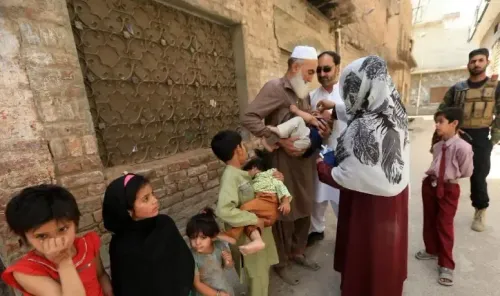
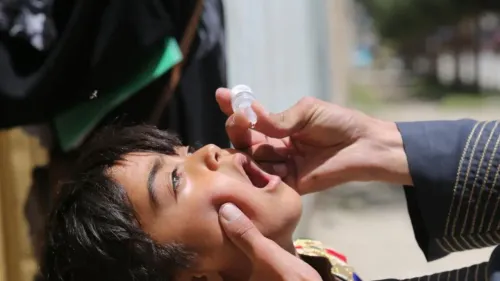
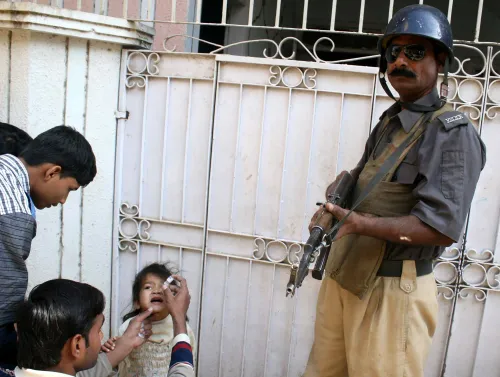
Pakistan operates one of the world's largest polio programmes, with more than 400,000 vaccinators and billions of dollars in international funding.
Communities in southern Khyber Pakhtunkhwa are reportedly boycotting vaccination drives to press for electricity, roads, and sanitation improvements.
The report identifies a shortage of female vaccinators , high staff turnover, and inadequate community engagement as key operational failures.
Polio remains endemic in Pakistan , with systemic healthcare distrust — not vaccine supply — cited as the core obstacle to eradication.
Pakistan's campaign to eradicate polio suffered another setback in 2026, with the country recording its ninth confirmed case of the year — the seventh from Khyber Pakhtunkhwa — involving a seven-month-old child in Khyber district. According to an analysis by Dawn, the persistence of the disease points less to gaps in vaccine access and more to deep structural failures within Pakistan's healthcare system.
The Scale of the Problem
Pakistan has assembled one of the world's most ambitious polio eradication programmes, backed by billions of dollars in international funding and a workforce of more than 400,000 vaccinators. Yet, according to the report, the country has consistently failed to translate campaign-level successes into lasting public confidence in health institutions — a gap that continues to allow the poliovirus to circulate.
Acknowledged obstacles include insecurity, population movement, and difficult terrain, which keep some children from being reached, while refusals, misinformation, and religious misconceptions keep others from accepting vaccines. However, the analysis argues these factors alone do not fully account for the virus's continued presence in areas that vaccination teams repeatedly visit.
Broken Trust at the Heart of the Crisis
A central challenge identified in the report is a profound erosion of community trust in government services and public institutions. Many households reportedly encounter the state almost exclusively through polio vaccination drives, while simultaneously facing shortages of routine immunisation, maternal healthcare, clean water, and functioning medical facilities.
Pakistan's polio programme has itself acknowledged that communities are increasingly using demand-based boycotts of vaccination drives as leverage to draw official attention to unmet needs. In southern Khyber Pakhtunkhwa, residents have reportedly withheld cooperation from vaccinators to press authorities for improvements in electricity, roads, and sanitation.
Operational Shortcomings
Beyond community resistance, the analysis highlights several internal failures within the programme itself. A persistent shortage of female vaccinators limits access to households in conservative areas, while frequent staff turnover among campaign workers undermines continuity and community familiarity. Inadequate community engagement further compounds these challenges.
The report also notes that repeated visits by vaccination teams — without corresponding improvements in broader healthcare services — risk reinforcing the perception that authorities view communities primarily as targets for disease campaigns, rather than as citizens deserving comprehensive public welfare.
A Disease That Refuses to Go
Polio remains endemic in Pakistan despite decades of coordinated eradication efforts, making it one of only a small number of countries in the world where the virus has never been fully interrupted. This latest case in Khyber district underscores how structural weaknesses — not vaccine supply alone — sustain transmission.
Experts and international observers have long argued that durable eradication requires integrating polio campaigns into a broader, trusted primary healthcare system rather than operating them in isolation. How Pakistan bridges that gap will determine whether 2026 marks a turning point or another year of persistent failure.
Point of View
The disease would be gone. The 2026 data dismantles that framing. Communities are not refusing vaccines out of ignorance; they are using boycotts as the only political lever available to them against a state that shows up with syringes but not schools, clinics, or clean water. The deeper structural issue is that polio campaigns have become a substitute for a functioning primary healthcare system, and communities have noticed. Until Pakistan integrates polio eradication into a trusted, comprehensive public health infrastructure, the virus will continue to find the cracks that distrust creates — no matter how many hundreds of thousands of vaccinators are deployed.
NationPress
14 Nov 2026
Frequently Asked Questions
How many polio cases has Pakistan recorded in 2026?
Pakistan has recorded nine polio cases in 2026, as of the latest available data. Seven of these cases have occurred in Khyber Pakhtunkhwa , with the most recent involving a seven-month-old child in Khyber district.
Why is polio still present in Pakistan despite mass vaccination drives?
According to a report citing Dawn's analysis, the primary obstacle is not vaccine access but a deep erosion of community trust in government institutions. Many communities encounter the state almost exclusively through polio campaigns while lacking access to routine immunisation, clean water, and functioning medical facilities.
What are demand-based vaccination boycotts in Pakistan?
These are instances where communities refuse to participate in polio vaccination drives as a form of protest to press local authorities for improvements in basic services such as electricity, roads, and sanitation. Pakistan's polio programme has itself acknowledged this phenomenon as a growing challenge, particularly in southern Khyber Pakhtunkhwa.
What operational failures are hampering Pakistan's polio programme?
The report highlights a shortage of female vaccinators — critical in conservative communities — along with frequent staff turnover and inadequate community engagement. These shortcomings compound the broader trust deficit that already undermines vaccination acceptance.
Is Pakistan the only country where polio remains endemic?
Pakistan is one of only a very small number of countries where poliovirus transmission has never been fully interrupted, making it one of the last remaining reservoirs of the disease globally. Despite decades of eradication efforts and significant international investment, the country has yet to achieve endemic-free status.