CM Yogi announces 3 welfare decisions for soldiers' families
Synopsis
Uttar Pradesh Chief Minister Yogi Adityanath announced three welfare decisions for the families of brave soldiers on 14 November 2026, reinforcing the state's commitment to honouring defence sacrifices through targeted policy measures.
Key Takeaways
CM Yogi Adityanath announced three welfare decisions for the families of brave soldiers on 14 November 2026 .
The announcement was made via X with an accompanying video carrying the full elaboration of the decisions.
Uttar Pradesh is among India's largest contributors of recruits to the armed forces, making soldier welfare a high-stakes state policy area.
UP governments have a established pattern of providing financial assistance, employment for dependents, and educational support to martyrs' families.
The specific content of the three decisions and any subsequent government orders are yet to be formally published and notified.
The announcement on Children's Day carries added symbolic resonance for the children of martyred soldiers.
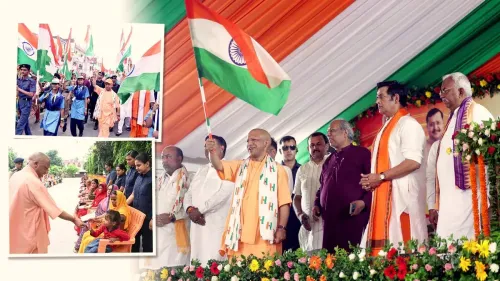
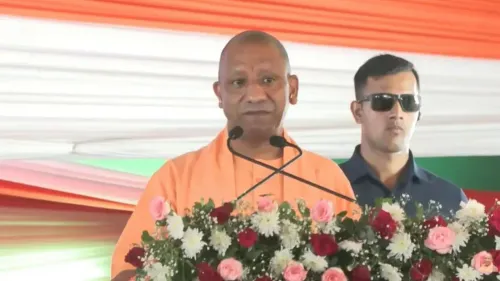
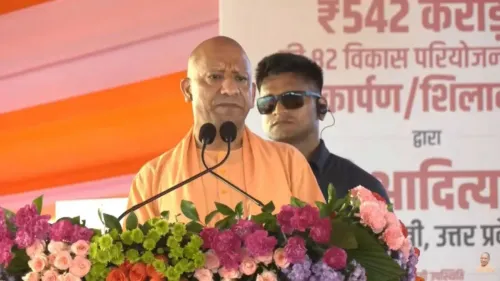
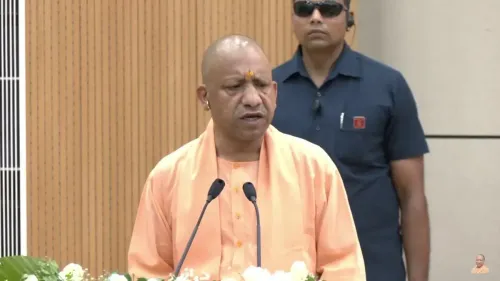
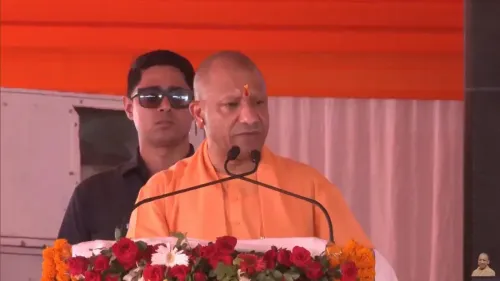
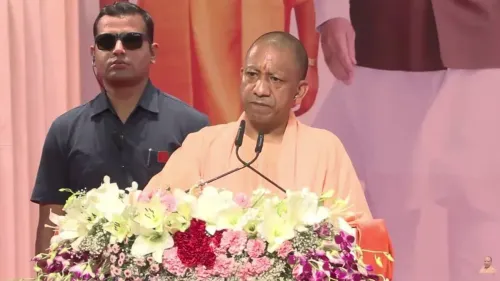
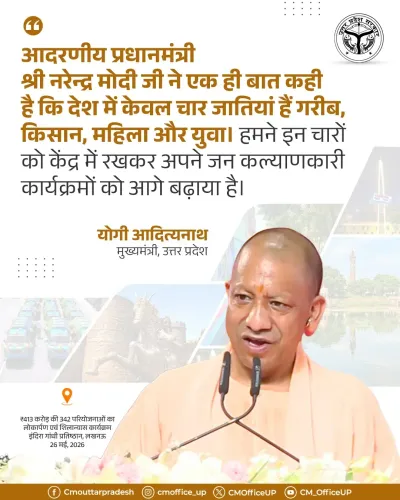
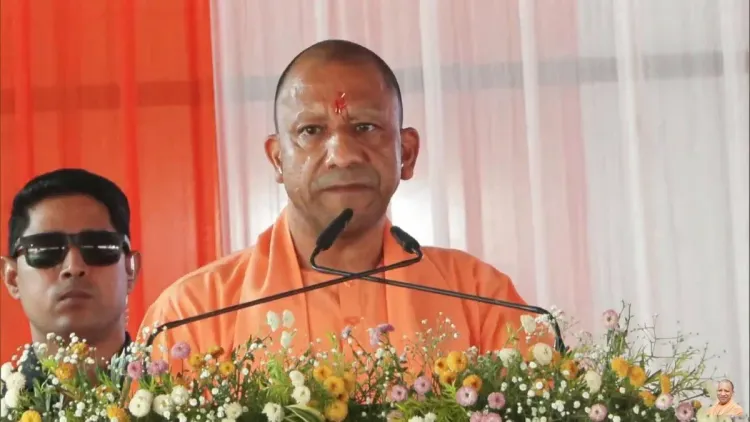
Uttar Pradesh Chief Minister Yogi Adityanath stepped into the public square on Saturday, 14 November 2026 with a direct pledge to the families of the state's fallen and serving soldiers — announcing three distinct welfare decisions in one stroke, signalling that the UP government intends to deepen its commitment to those who bear the cost of national defence at home.
Posting on X, Chief Minister Adityanath wrote: 'Veer sainikon ke parivaron ke liye aaj main teen nirnyon ki ghoshana karta hoon...' ('For the families of brave soldiers, today I announce three decisions...') — a deliberately terse opener that leaves the specifics to the accompanying video, but the direction unmistakable: state resources moving toward martyrs' families and their dependents.A pattern of state-level honour, now sharpened
Uttar Pradesh — which contributes one of the largest pools of recruits to the Indian armed forces — has a long institutional memory around soldier welfare. State governments across the political spectrum have periodically announced financial assistance packages, priority employment for the dependents of martyrs, and educational scholarships for their children. What distinguishes today's announcement is the bundling of three decisions at once, presented as a cohesive package rather than a single incremental measure.
The Chief Minister's office has not yet released the full text of the government orders, but the video attached to the post is expected to carry the full elaboration. Advocates for veterans' families will be watching closely for whether the decisions address the three most persistent gaps in existing UP welfare architecture: lump-sum ex gratia enhancements, guaranteed government employment for a dependent, and fee waivers or scholarships at state universities.
Why the timing carries weight
November 14 — Children's Day in India — adds a layer of resonance to any announcement touching educational or family welfare. For the children of martyred soldiers, a state-level commitment on this date is not incidental. Chief Minister Adityanath has consistently framed soldier welfare as a matter of rashtra dharma (national duty), and announcements of this kind serve both a policy function and a symbolic one: reassuring families across UP's cantonment towns, villages near the Nepal border, and the Purvanchal belt — regions that send a disproportionate share of recruits to the Army — that their sacrifice registers at the highest levels of state government.
The specifics of the three decisions, once formally notified, will determine whether this represents a genuine expansion of benefits or a consolidation of existing entitlements. The government orders, if issued, will be the definitive test.
Point of View
Though the policy substance will only be assessable once government orders are published. For Chief Minister Adityanath, soldier welfare sits at the intersection of his dual identity as a state administrator and a religious-nationalist leader, making such pledges both politically and ideologically coherent. The real measure of impact will be in the implementation machinery and the speed of disbursement to families at the district level.
NationPress
14 Nov 2026
Frequently Asked Questions
What three decisions did CM Yogi announce for soldiers' families?
Chief Minister Yogi Adityanath announced three welfare decisions for the families of brave soldiers on 14 November 2026, but the specific details are contained in the video attached to his post. The full government orders have not yet been publicly notified at the time of this report.
Who benefits from Yogi Adityanath's soldier welfare announcement?
The announcement is directed at the families of brave soldiers — including the families of martyred and serving armed forces personnel from Uttar Pradesh.
Does Uttar Pradesh have existing welfare schemes for martyrs' families?
Yes. UP has historically provided financial assistance, government employment for dependents, and educational support for the families of armed forces personnel. Today's announcement adds to or refines that existing framework.
Why did CM Yogi make this announcement on 14 November?
14 November is Children's Day in India, which adds symbolic resonance to welfare decisions affecting the children of martyred or serving soldiers. The Chief Minister did not explicitly cite the date as a reason in his post.
Where can I find the official government order for Yogi's soldier welfare decisions?
The formal government orders, once issued, will be published on the official Uttar Pradesh government website. The video attached to the Chief Minister's X post is expected to carry further details.