Is Global Apathy Allowing Pakistan's Proxy Warfare Against Its Neighbors?
Synopsis
As global inaction continues, Pakistan's proxy warfare against its neighbors persists. India must expose Rawalpindi's connections to terrorism, while enhancing its counter-terrorism strategies. This report dives deep into the implications of the UN's ineffective monitoring and the ongoing threats posed by groups like Jaish-e-Mohammad.
Key Takeaways
India must expose Pakistan's ties to terrorism.
Enhancing counter-terrorism strategies is critical for India.
The UN's effectiveness in monitoring terrorism is questioned.
Evidence supports ongoing threats from Jaish-e-Mohammad .
International cooperation is essential for regional stability.
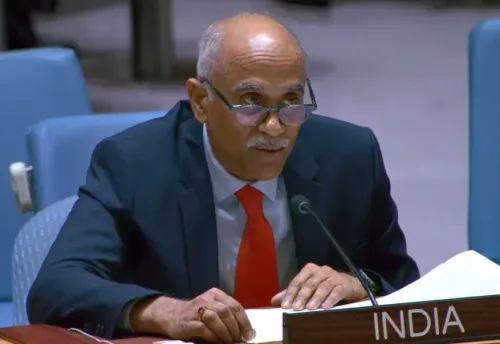
Islamabad, Feb 14 (NationPress) India needs to persist in revealing Rawalpindi’s connections with terrorist organizations and its inclination towards engaging in proxy warfare against neighboring nations, as Pakistan has consistently avoided accountability due to global indifference.
Simultaneously, India must enhance its counter-terrorism framework to effectively tackle the threat of Pakistan-backed terrorism independently. Alongside military actions, India should implement non-kinetic strategies that impose significant costs on Islamabad, according to a report released on Saturday.
In an article for Eurasia Review, former army officer Nilesh Kunwar remarked, “Despite its seemingly impressive title, the UN Analytical Support and Sanctions Monitoring Team of the Security Council’s 1267 Sanctions Committee is effectively just a ‘paper tiger’ that relies on reports from member states without conducting investigations or issuing directives.”
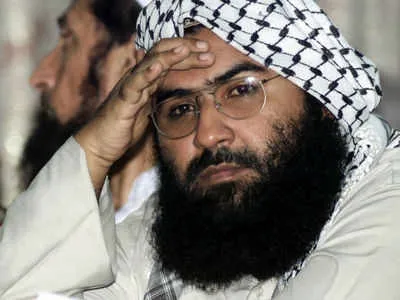
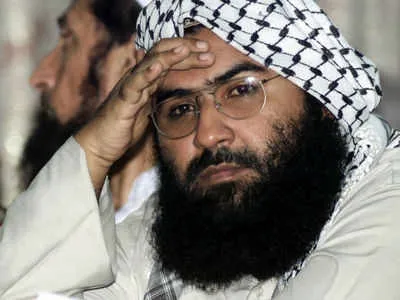
The recently published 37th report linked the Pakistan-based banned terrorist group Jaish-e-Mohammad (JeM) to several attacks, including the Pahalgam assault on April 22, 2025, and the Red Fort car bombing on November 9, 2025. JeM also announced the establishment of a women-only faction named Jamaat-ul-Muminat aimed at pursuing global jihad. However, the report indicated that these incidents were merely noted by a member state, implying India, and did not substantiate its own findings,” he added.
The report highlighted that while the UN Analytical Support and Sanctions Monitoring Team lacks significant influence and fails to act as an effective deterrent, its findings do provide diplomatic leverage.
“In this scenario, India holds a distinct advantage as Islamabad's claim of JeM being ‘defunct’ is a weak defense. New Delhi has solid evidence supporting its assertions regarding JeM's activities,” the report emphasized.
According to the report, the Indian airstrike on JeM's headquarters in Bahawalpur, Pakistan, on May 7 last year, during Operation Sindoor, resulted in significant destruction and incited widespread protests among senior JeM leaders.
“Isn’t this, coupled with the JeM leader's admission of losing 10 family members in the strike, sufficient proof that despite being a UN-designated terrorist organization, JeM is still thriving in Pakistan today?” the report questioned.
“In November of the previous year, the unearthing of a ‘white collar’ terror module operating from Al Falah University in Faridabad, near New Delhi, primarily consisting of medical professionals, has provided undeniable evidence of JeM’s ongoing efforts to orchestrate terrorist activities in India. Furthermore, the suicide car bomb explosion near the Red Fort in New Delhi on November 10 last year, executed by a member of this module, underscores JeM’s malicious intentions,” Kunwar asserted.
Point of View
It’s vital to recognize the complexities of this geopolitical scenario. While India seeks to defend itself against threats, the effectiveness of international bodies like the UN in addressing such issues is often questioned. A balanced approach that considers both security and dialogue is essential for lasting peace in the region.
NationPress
29 Sept 2026
Frequently Asked Questions
What is the role of the UN in monitoring terrorism?
The UN is tasked with monitoring and sanctioning terrorist groups; however, its effectiveness is often debated due to reliance on member states for information.
How does Pakistan's proxy warfare affect India?
Pakistan's proxy warfare, particularly through groups like Jaish-e-Mohammad, poses a persistent threat to India's national security and regional stability.
What measures is India taking against terrorism?
India is enhancing its counter-terrorism strategies, including military operations and non-kinetic measures, to tackle threats from Pakistan-sponsored terrorism.