How Does Pakistan's Loyalty to Iran Affect Its Credibility as a US Ally?
Synopsis
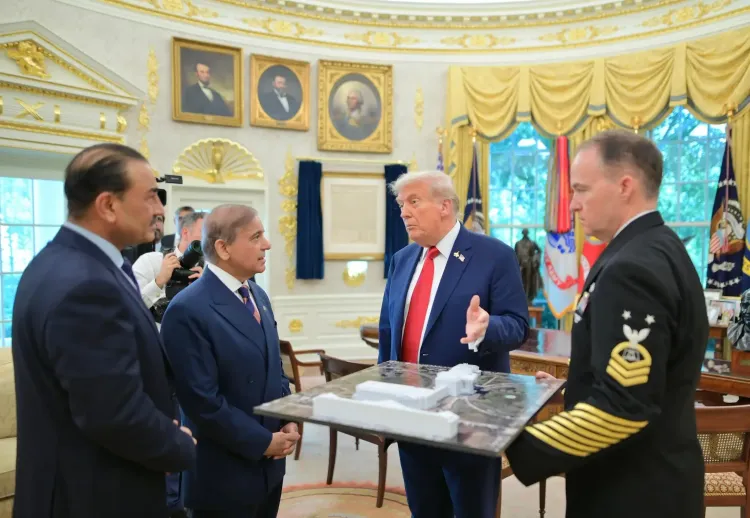
A recent report reveals that Pakistan's strong support for Iran undermines its credibility as a Major Non-NATO Ally. With ongoing diplomatic engagements, questions arise about Pakistan's role in international negotiations. Should it be excluded from peace initiatives? Dive into this analysis of the implications for US-Pakistan relations.
Key Takeaways
Pakistan's support for Iran challenges its credibility as a Major Non-NATO Ally.
The US may reconsider Pakistan's MNNA status.
High-level meetings with Iran reflect Pakistan's strategic alignment .
Pakistan's actions may affect US-Pakistan relations .
Regional stability could be impacted by Iran-Pakistan ties .
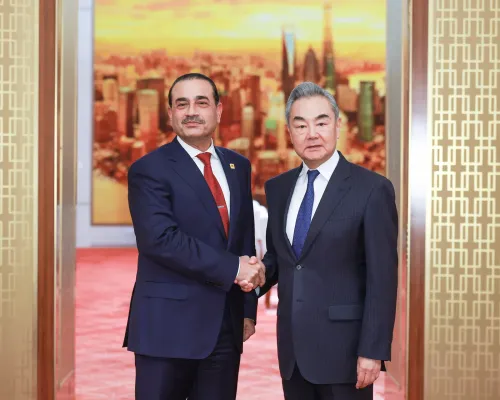
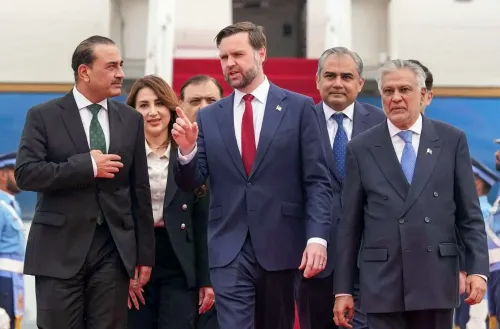
Washington, Feb 5 (NationPress) Pakistan's overt support for its ally Iran, demonstrated through extravagant receptions, high-level talks, and strengthening relations, significantly challenges its credibility as a Major Non-NATO Ally (MNNA). In light of its increasing ties with Tehran, it is suggested that Pakistan be excluded from any global Board of Peace and prohibited from facilitating negotiations led by Washington with Iran, according to a recent report.
The US-based Middle East Media Research Institute (MEMRI) highlights that Pakistan's consistent diplomatic protection of Iran renders it an unreliable mediator. Islamabad's status as a genuine ally is questioned, prompting a need for serious re-evaluation and possible revocation of its MNNA designation.
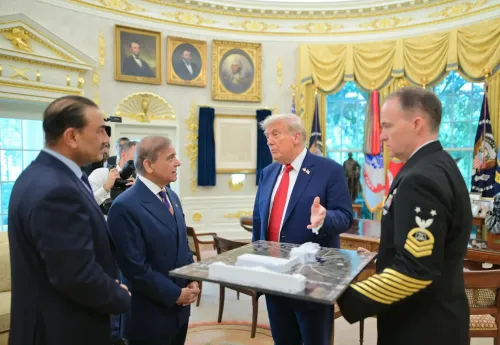
“Pakistan enjoys Major Non-NATO Ally (MNNA) status with the United States, a classification that provides it with special access to military collaboration and resources. The US-led intergovernmental organization Board of Peace was formed on January 15, 2026. US President Donald Trump, as the chair, invited Pakistani Prime Minister Shehbaz Sharif to participate on January 18,” the report elaborates.
“Additionally, Pakistan is set to join talks between Iran and the United States in Turkey on February 6, where Islamabad is anticipated to assume a facilitative role. However, Pakistan’s record highlights its unreliability as a strategic ally for the United States,” it remarked.
The report underscores that despite reports of civilian casualties due to Iranian actions, Pakistan's Defence Minister Khawaja Asif has reiterated his support for Tehran.
“On January 13, 2026, he reiterated that Iran remains a cherished neighbor and brother, emphasizing that its security and sovereignty are intertwined with Pakistan’s interests. Furthermore, on January 20, during a meeting with Iranian Ambassador Reza Amiri Moghadam, he reaffirmed Pakistan’s unwavering support for Iran,” the report noted.
“Moreover, on January 24, Iranian Foreign Minister Abbas Araghchi expressed gratitude to Pakistan for its backing at the UN Human Rights Council, following Islamabad's vote against a resolution aimed at expanding international investigations into Iran's suppression of protests,” it added.
A clear illustration of this alignment occurred during the June 2025 12-Day War, an armed confrontation between Iran and a coalition of Israel and the United States, during which Pakistan openly sided with Iran, demonstrating strong support.
“This solidarity persisted and intensified post-conflict. Iranian President Masoud Pezeshkian visited Pakistan on August 2-3, 2025, marking his first official trip abroad after the war. The visit was widely acclaimed by officials, think tanks, and media in both nations, focusing on aspirations to elevate annual trade relations,” it concluded.
Point of View
It is vital to recognize that Pakistan's diplomatic choices reflect its strategic interests. While the nation aligns with Iran, it poses questions regarding its commitment to US alliances. The evolving landscape necessitates a careful examination of Pakistan's decisions and their long-term effects on international relations.
NationPress
22 Oct 2026
Frequently Asked Questions
Why is Pakistan's support for Iran controversial?
Pakistan's support for Iran raises concerns about its reliability as a US ally, particularly given the US's adversarial stance towards Tehran, prompting discussions about its MNNA status.
What is MNNA status?
Major Non-NATO Ally (MNNA) status provides countries with special military cooperation benefits and access to defense equipment from the United States.
How does Pakistan's relationship with Iran affect US-Pakistan relations?
Pakistan's close ties with Iran may jeopardize its standing with the US, leading to potential reevaluation of its role as a strategic partner.
What actions has Pakistan taken to support Iran?
Pakistan has engaged in high-level meetings and diplomatic discussions, consistently voicing support for Iran despite international criticism.
What implications does this situation have for regional stability?
The strengthening of Iran-Pakistan ties could shift power dynamics in the region, affecting alliances and diplomatic negotiations involving the US and its partners.