Pentagon in drone parts talks with automakers: Report
Synopsis
The Pentagon is exploring whether automotive manufacturers can supply motors, engines and sensors for military drones, according to a report. GM is considering making drone motors, while talks include Magna International. No agreements have been finalised.
Key Takeaways
The Pentagon is holding preliminary talks with automakers about military drone components, The Wall Street Journal reported.
Canadian supplier Magna International is among the companies included in the discussions, according to the report.
GM is considering making drone motors, but no agreements have been finalised.
Ford 's Industrial Platform agreed to a minority investment in Revolution Space , separately from the reported drone talks.
GM Defense and Lockheed Martin announced a manufacturing and supply-chain cooperation agreement in June .
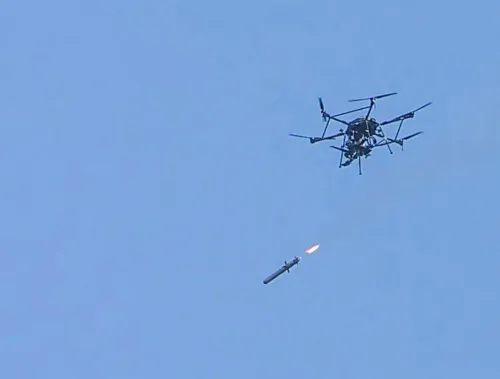
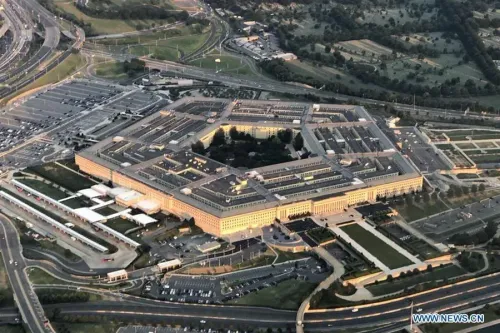
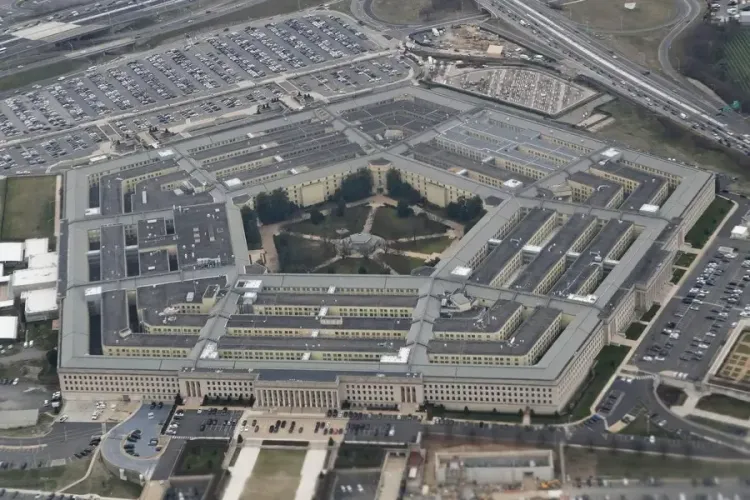
The Pentagon is holding preliminary talks with automakers about supplying parts for military drones as the United States expands its use of unmanned aircraft, The Wall Street Journal reported on 25 November. The discussions include Canadian auto-parts supplier Magna International, according to the newspaper, which cited people familiar with the matter; no agreements have been finalised.
Possible supplies to drone manufacturers include motors, engines and sensors. General Motors (GM) is considering whether to make drone motors, the report said, as officials explore ways to draw on the automotive industry's manufacturing capacity.
Automotive capacity in focus
The talks are at an early stage, and people involved described reactions from automotive executives to Trump administration officials as mixed, according to The Wall Street Journal. The report did not identify a final agreement or specify when any production might begin.
One option under consideration at GM is a motor closer in size to one that would power a riding lawn mower than a car, the newspaper reported. The components discussed would go to drone manufacturers rather than necessarily involve automakers building complete aircraft.
The distinction matters because the discussions concern potential suppliers and individual components, not a confirmed vehicle programme. The range of parts being considered, from motors to sensors, also suggests that any arrangement could involve different kinds of automotive manufacturing expertise.
GM Defense and Lockheed Martin agreement
GM has separately been exploring military applications for its automotive production methods through its defence subsidiary. In June, GM Defense and Lockheed Martin announced a cooperation agreement covering supply chains, manufacturing and design, as well as opportunities to expand production capacity.
The companies said the arrangement would combine Lockheed Martin's defence manufacturing experience with GM's ability to make commercial equipment in large volumes. That agreement is distinct from the preliminary drone-parts discussions described in the newspaper report.
Ford's separate spacecraft investment
In a separate announcement on Monday, Ford said its Industrial Platform subsidiary had agreed to make a minority investment in American spacecraft company Revolution Space. The company said it would contribute engineering, manufacturing and supply-chain expertise to help increase spacecraft production.
Ford did not disclose the financial terms, and the transaction remains subject to regulatory approvals and other closing conditions. Its announcement concerned spacecraft and did not confirm participation in a military drone programme.
“Ford’s strength is building complex products in large volumes, something today’s growing satellite market requires,” Marin Gjaja, the company's chief strategy officer, said.
What remains unresolved
The reported outreach comes as the US military expands its use of unmanned aircraft, but the discussions have not produced a finalised supply agreement. The report also leaves open which companies, if any, will eventually supply specific parts.
Any move from preliminary conversations to contracts would clarify the role automotive suppliers could play; separately, Ford's spacecraft investment must still satisfy its closing conditions.
Point of View
And mixed reactions from executives underline the uncertainty. Any eventual agreement should be assessed on its terms, production capacity and public accountability rather than treated as a settled expansion.
NationPress
25 Nov 2026
Frequently Asked Questions
What is the Pentagon discussing with automakers?
The Pentagon is holding preliminary talks about automakers supplying components for military drones, according to The Wall Street Journal. Potential parts include motors, engines and sensors.
Which companies are mentioned in the drone parts report?
The reported discussions include Canadian auto-parts supplier Magna International. GM is considering making drone motors, according to the report.
Has the Pentagon finalised a drone parts agreement?
No agreements have been finalised, according to the report. People involved described the talks as preliminary.
Is Ford's Revolution Space investment part of the drone talks?
Ford's announcement concerned spacecraft and did not confirm participation in a military drone programme. Its subsidiary agreed to a minority investment in Revolution Space, subject to approvals and other closing conditions.
What did GM Defense and Lockheed Martin agree to?
GM Defense and Lockheed Martin announced a cooperation agreement in June covering supply chains, manufacturing, design and opportunities to expand production capacity. The agreement is separate from the reported preliminary drone-parts talks.