Peter Magyar sworn in as Hungary's PM, pledges to 'change the system'
Synopsis
Hungary has a new prime minister for the first time in over a decade. Peter Magyar's Tisza Party swept to a two-thirds majority, ousting Viktor Orbán's Fidesz-KDNP coalition, and Magyar wasted no time signalling a systemic shift — pledging not just a change of government but a transformation of Hungary's political order itself.
Key Takeaways
Peter Magyar was sworn in as Hungary's Prime Minister on 9 May 2025 at the inaugural session of the new National Assembly .
He won the parliamentary vote with 140 votes in favour , 54 against , and 1 abstention out of 195 ballots cast.
The Tisza Party won 141 of 199 seats in the 12 April elections, securing a two-thirds majority and defeating Viktor Orbán's Fidesz-KDNP coalition.
Magyar pledged to "change the system," emphasising reconciliation, democratic renewal, and national unity. Ágnes Forsthoffer , Tisza Party vice president, was elected speaker of the National Assembly with 193 votes .
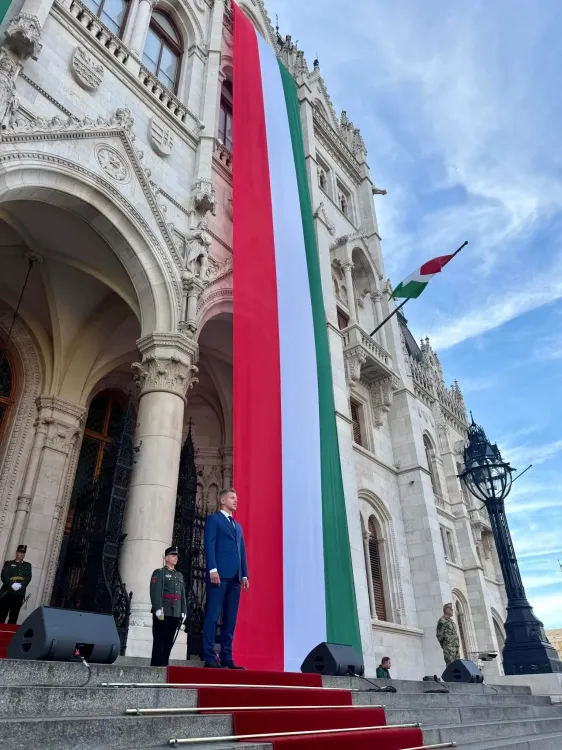
Peter Magyar was sworn in as Hungary's Prime Minister on Saturday, 9 May after winning a parliamentary vote at the inaugural session of the new National Assembly in Budapest, pledging to "change the system" and serve the country rather than "rule over it." The vote marked the formal end of Viktor Orbán's long tenure and the beginning of a new political era in Hungary.
The Parliamentary Vote
A total of 195 out of 199 members of parliament cast votes, with 140 in favour, 54 against, and 1 abstention. Magyar, leader of the Tisza Party, secured the required majority to be elected prime minister, marking the start of his four-year term. The 199-member parliament saw all lawmakers sworn in on the same day.
Magyar's Inaugural Address
In his inaugural speech, Magyar declared that the new government had received a mandate not only to change the government but also to "change the system." He stressed reconciliation, democratic renewal, and national unity, pledging to serve rather than rule. The new Tisza government "will be the government of all Hungarians," he said, underlining inclusiveness and equal dignity for all citizens.
Who Is Peter Magyar
Born in March 1981, Magyar studied law and humanities at Pázmány Péter Catholic University. He worked as a trainee judge and a lawyer before holding positions in the foreign ministry and other government institutions. He was elected leader of the Tisza Party and a member of the European Parliament in 2024, rapidly rising to become the most prominent challenger to Orbán's political dominance.
Election Results and New Parliamentary Leadership
In the parliamentary elections held on 12 April, the Tisza Party defeated the ruling Fidesz-KDNP coalition led by Viktor Orbán, winning 141 of the 199 seats and securing a two-thirds majority in the new parliament. The parliament also elected Ágnes Forsthoffer, vice president of the Tisza Party, as speaker of the National Assembly — she was the sole candidate, receiving 193 votes in favour and 2 against. Six deputy speakers were also elected.
Celebrations and What Comes Next
Tisza supporters gathered at Kossuth Square, in front of the parliament building in Budapest, to celebrate the historic transition. Magyar was also due to deliver a public speech at the square following his swearing-in. With a two-thirds majority in hand, the new government has the constitutional mandate to pursue sweeping reforms. The coming weeks will test whether Magyar's promises of democratic renewal translate into concrete legislative action.
Point of View
But systemic change in Hungary will require confronting entrenched media, judicial, and economic structures that Fidesz spent 15 years building. The world will be watching whether 'changing the system' means dismantling it — or inheriting it.
NationPress
23 Sept 2026
Frequently Asked Questions
Who is Peter Magyar, Hungary's new Prime Minister?
Peter Magyar is a Hungarian lawyer and politician born in March 1981, who studied at Pázmány Péter Catholic University and held positions in the foreign ministry before becoming leader of the Tisza Party. He was elected to the European Parliament in 2024 and led Tisza to a landmark two-thirds majority in Hungary's April 2025 elections.
How did Peter Magyar win the prime ministerial vote?
Magyar received 140 votes in favour out of 195 cast in the 199-member National Assembly, comfortably exceeding the required majority. There were 54 votes against and 1 abstention.
What did Peter Magyar promise in his inaugural speech?
Magyar pledged to 'change the system' — not just the government — and committed to serving the country rather than ruling over it. He emphasised reconciliation, democratic renewal, national unity, and equal dignity for all Hungarian citizens.
How did the Tisza Party perform in Hungary's April 2025 elections?
The Tisza Party won 141 of the 199 parliamentary seats in elections held on 12 April, defeating Viktor Orbán's Fidesz-KDNP coalition and securing a two-thirds majority in the new parliament.
Who was elected speaker of Hungary's new National Assembly?
Ágnes Forsthoffer, vice president of the Tisza Party, was elected speaker of the National Assembly with 193 votes in favour and 2 against. Six deputy speakers were also elected at the same inaugural session.