Key Iranian Leaders, Including President Pezeshkian, Attend Tehran Rally Amid Ongoing Conflict
Synopsis
On March 13, prominent Iranian leaders, including President Masoud Pezeshkian, made headlines by attending an International Quds Day rally. This event is their first major public appearance since the tragic airstrikes that resulted in the death of Ayatollah Khamenei and others, highlighting Iran's ongoing conflict and conditions for peace.
Key Takeaways
Masoud Pezeshkian and other leaders attended the International Quds Day rally.
This marked their first major public appearance since the US-Israel airstrikes.
The rally emphasized Iran's demands for peace and recognition of rights.
Tehran insists on reparations and international guarantees.
The situation remains tense with ongoing military actions.
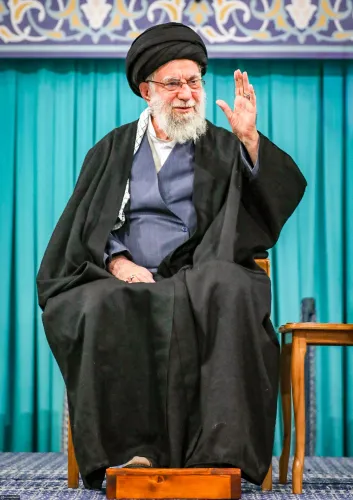
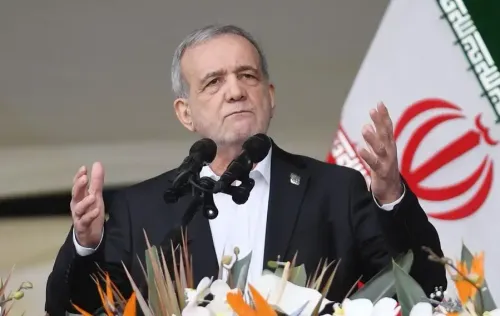
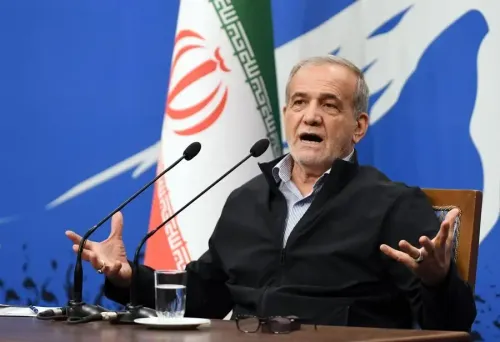
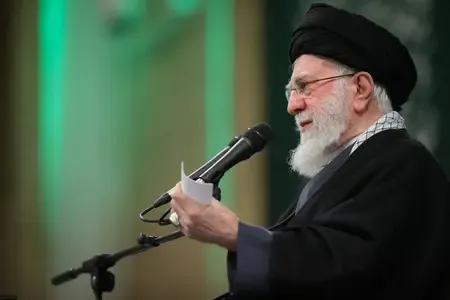
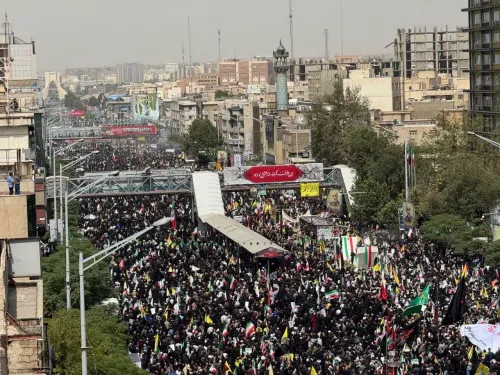
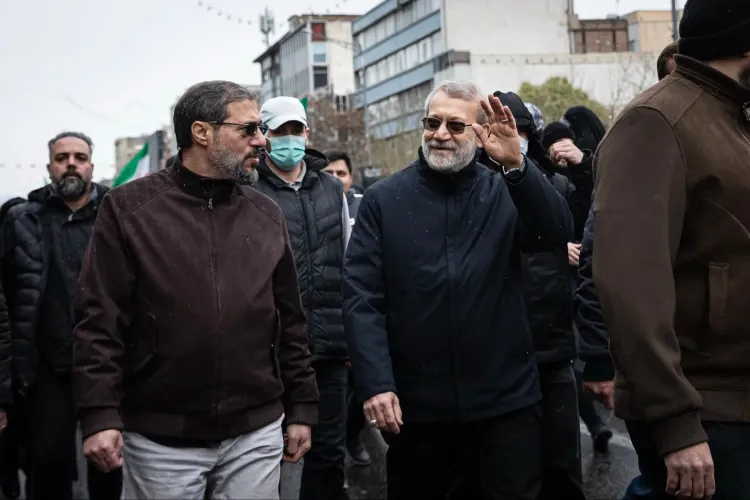
Tehran, March 13 (NationPress) A number of prominent Iranian leaders, including President Masoud Pezeshkian, participated in the International Quds Day rally held in Tehran on Friday. This event marked their most significant public appearance following the recent US-Israel airstrikes that resulted in the deaths of Iranian Supreme Leader Ayatollah Ali Khamenei and other high-ranking officials on February 28.
Footage circulated by local outlets captured Pezeshkian engaging with the crowd, stopping to take selfies with attendees during the rally.
Among the notable figures present were Iranian Foreign Minister Seyed Abbas Araghchi, Advisor to Iran's Supreme Leader Mohammad Mokhber, Iran's police chief Brigadier General Ahmad-Reza Radan, Secretary of Iran’s Supreme National Security Council Ali Larijani, and the Head of the Atomic Energy Organisation of Iran Mohammad Eslami, as reported by the Islamic Republic News Agency (IRNA).
Despite ongoing airstrikes from US and Israeli forces, the streets of Iran were filled with demonstrators, as per the semi-official Tasnim News Agency. The government has yet to disclose the casualty figures resulting from these strikes.
In the midst of this conflict, Iran has presented three essential conditions for a resolution, which include the acknowledgment of its rights and reparations for the damages incurred during the hostilities.
On March 11, Pezeshkian emphasized that Tehran is dedicated to achieving peace, yet insisted that hostilities can only cease if its terms are accepted by Washington and Tel Aviv.
In a statement shared on social media, Pezeshkian clarified Iran's stance on ending the conflict.
“The sole means to conclude this war—initiated by the Zionist regime and the US—is through the recognition of Iran’s rightful claims, the provision of reparations, and solid international guarantees against future attacks,” he stated.
Tehran has consistently argued that the conflict was triggered by the assaults from the United States and Israel, maintaining that it will not agree to a ceasefire unless it receives definitive assurances regarding its security and rights.
Point of View
The participation of prominent Iranian leaders in the rally underscores the ongoing tensions and the country's steadfast position on its rights. The situation remains critical as Iran demands recognition and reparations from the United States and Israel, highlighting the complexities of international relations in this conflict.
NationPress
16 Oct 2026
Frequently Asked Questions
What was the purpose of the International Quds Day rally?
The rally aimed to express solidarity with Palestinians and highlight the ongoing issues facing Iran due to the recent US-Israel airstrikes.
What are Iran's conditions for ending the conflict?
Iran demands recognition of its rights, compensation for damages, and international guarantees against future aggression.
Who were the key officials present at the rally?
Notable attendees included President Masoud Pezeshkian and Foreign Minister Seyed Abbas Araghchi, among others.
What recent events have escalated tensions in Iran?
The recent US-Israel airstrikes that resulted in the deaths of Iranian officials have significantly heightened tensions.
What is Iran's position on peace negotiations?
Iran maintains that it is committed to peace but insists that its demands must be met by the US and Israel.