How did PM Modi's Meeting with INA Veteran Inspire Many?
Synopsis
During his official visit to Malaysia, PM Modi's meeting with INA veteran Jeyaraj Raja Rao was a deeply inspiring event that highlights the historical contributions of the Indian National Army. This encounter not only honors the sacrifices made by the INA but also reinforces the connection of the Indian diaspora with their roots.
Key Takeaways
PM Modi met INA veteran Jeyaraj Raja Rao.
The meeting highlighted the legacy of the Indian National Army.
Netaji Subhas Chandra Bose's contributions were acknowledged.
The Indian diaspora's sacrifices during independence were commemorated.
The Rani of Jhansi Regiment symbolizes women's involvement in the freedom struggle.
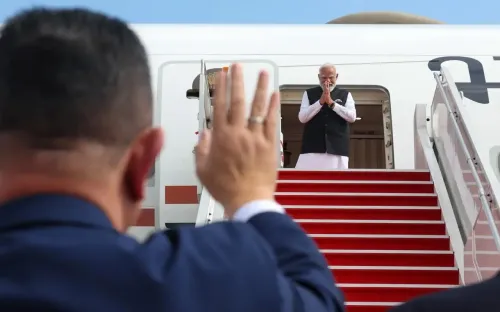
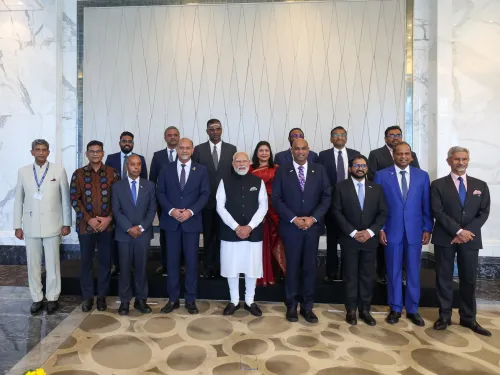
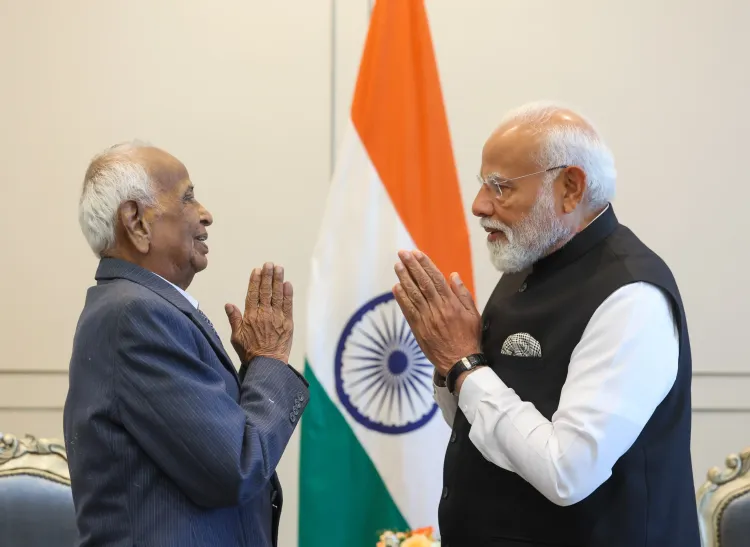
Kuala Lumpur, Feb 8 (NationPress) Prime Minister Narendra Modi met with veterans of the Azad Hind Fauj, also recognized as the Indian National Army (INA), during his two-day official visit to Malaysia. This significant meeting highlighted the historical impact of the INA and its enduring legacy within the Indian diaspora throughout Southeast Asia.
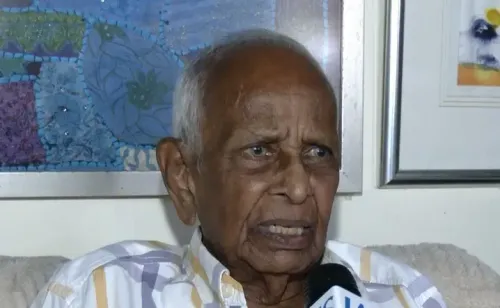
In a heartfelt interaction, the Prime Minister encountered INA veteran Jeyaraj Raja Rao and referred to the experience as profoundly inspiring.
Posting images from the meeting on X, PM Modi conveyed, “It was a truly special occasion to meet the INA veteran Shri Jeyaraj Raja Rao. His journey is filled with extraordinary courage and sacrifice. Hearing his stories was incredibly inspiring.”
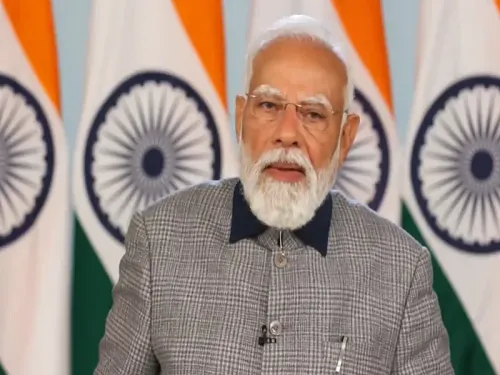
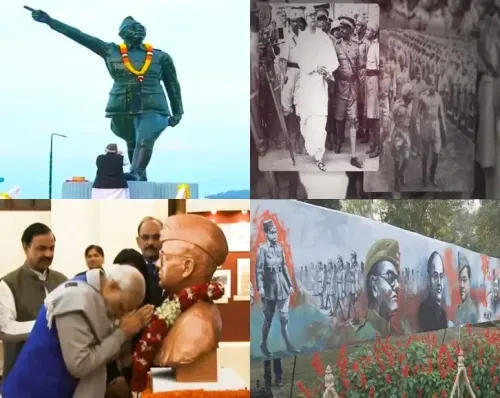
Furthermore, the Prime Minister paid homage to the legacy of the INA and its founder, Netaji Subhas Chandra Bose. He remarked, “We are eternally grateful to Netaji Subhas Chandra Bose and the brave men and women of the INA, whose valor was instrumental in shaping India’s future.”
Periasamy Kumaran, Secretary (East) of the Ministry of External Affairs, emphasized the importance of the Prime Minister’s engagement with the veterans, calling it a moment to remember.
“His meeting with the two surviving veterans of the Indian National Army, led by Netaji Subhas Chandra Bose, was indeed remarkable,” he stated during a press briefing on the Prime Minister’s visit.
Earlier on Saturday, PM Modi addressed the Indian diaspora in Malaysia, acknowledging the historical sacrifices made by people of Indian descent in the region during India’s fight for independence.
“To achieve India’s freedom, countless ancestors made tremendous sacrifices. Many had never set foot in India. Yet, they were among the pioneers to join Netaji Subhas Chandra Bose’s Indian National Army,” he noted.
Talking about the preservation of Netaji’s legacy in Malaysia, he shared, “In his honor, we have renamed the Indian Cultural Centre in Malaysia after Netaji Subhas Chandra Bose. I would also like to commend the efforts of the Netaji Service Centre and Netaji Welfare Foundation in Malaysia.”
Netaji Subhas Chandra Bose took command of the INA in Southeast Asia in 1943, revitalizing the force after his arrival from Germany.
Operating from bases in Singapore and what is now Malaysia, he reorganized and expanded the INA by rallying Indian civilians and Prisoners of War captured during World War II.
Bose also established the Provisional Government of Azad Hind on October 21, 1943, which played a symbolic role in India’s independence movement.
The historical relevance of the INA is still closely linked to the Indian diaspora in contemporary Malaysia and Singapore, as the force was mainly formed and developed in these areas.
Initially, Prisoners of War constituted the trained core of the army, but it was the Indian civilian community in Southeast Asia that contributed a significant number of volunteers to bolster the movement.
Among the notable units of the INA was the Rani of Jhansi Regiment, an all-female unit made up of Indian women residing in Southeast Asia.
Many of these women had never traveled to India but maintained a profound connection to their Indian heritage, culture, and values passed down through generations.
This regiment became a symbol of women’s involvement and empowerment in India’s freedom struggle and continues to be historically significant in the legacy of the INA.
Point of View
Reinforcing the connection between the Indian diaspora and their homeland.
NationPress
19 Sept 2026
Frequently Asked Questions
Who did PM Modi meet in Malaysia?
PM Modi met INA veteran Jeyaraj Raja Rao during his visit to Malaysia.
What is the significance of the Indian National Army?
The Indian National Army played a crucial role in India's struggle for independence, contributing to the legacy of freedom fighters.
What did PM Modi say about Netaji Subhas Chandra Bose?
PM Modi expressed gratitude towards Netaji Subhas Chandra Bose, acknowledging his leadership and the bravery of the INA.
How did the Prime Minister honor the INA's legacy?
PM Modi renamed the Indian Cultural Centre in Malaysia after Netaji Subhas Chandra Bose to honor his legacy.
What is the Rani of Jhansi Regiment?
The Rani of Jhansi Regiment was an all-women unit of the INA, symbolizing women's empowerment in India's freedom struggle.