PoJK protests expose Pakistan's failure to meet youth aspirations
Synopsis
Young people aged 15 to 35 are leading protests in PoJK under the JAAC banner, demanding rights that Islamabad has reportedly failed to deliver for decades. A new report draws a stark contrast with post-Article 370 Jammu and Kashmir, where Mission Youth and infrastructure investment are opening doors — opportunities that PoJK's youth, by the report's account, can only dream of.
Key Takeaways
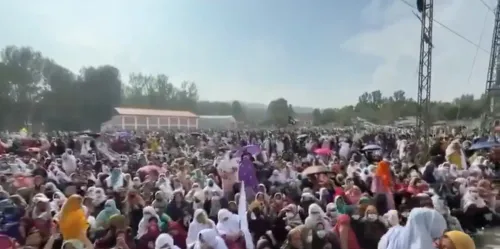
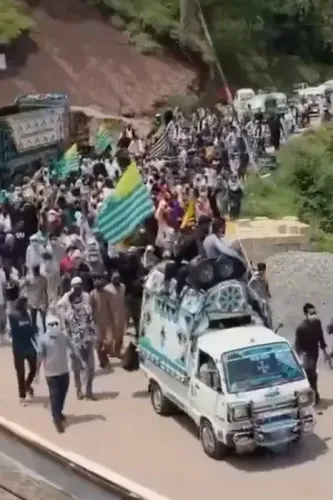
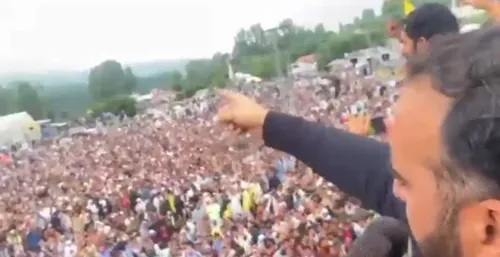
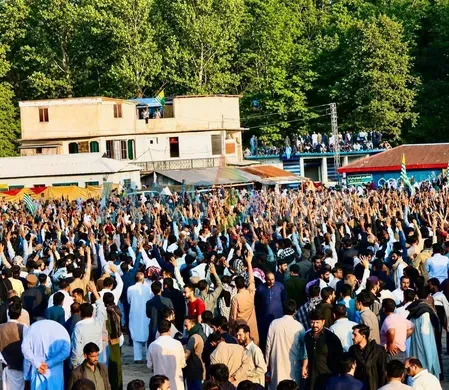
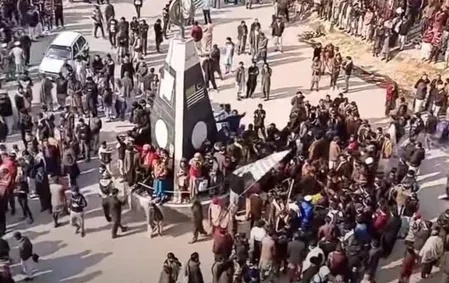
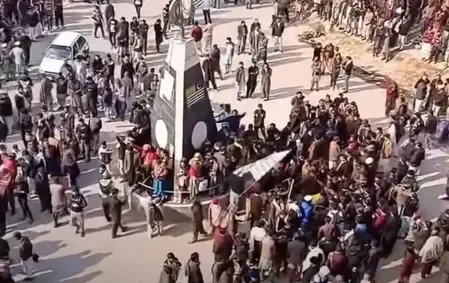
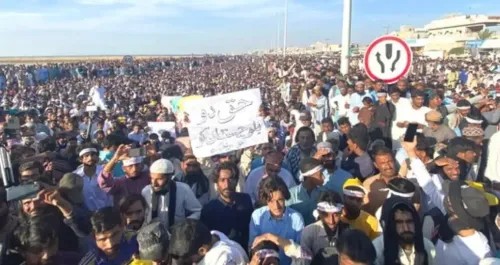
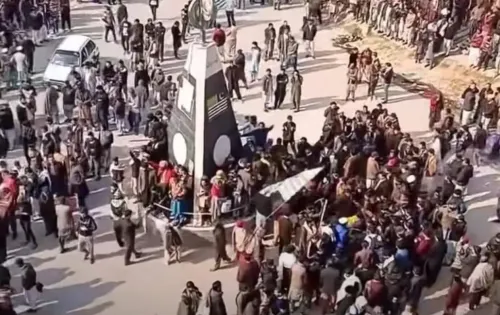
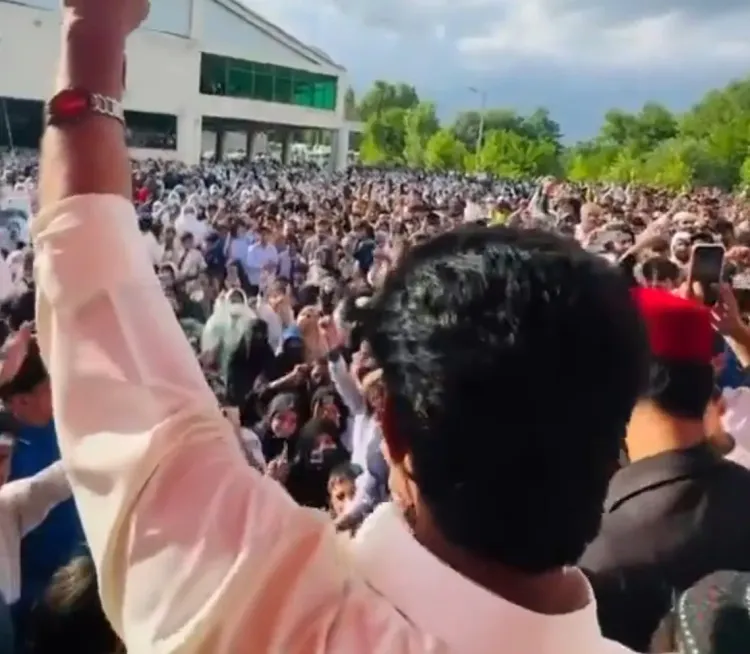
Protests in Pakistan-occupied Jammu and Kashmir (PoJK) are being led by students and professionals under the Joint Awami Action Committee (JAAC) .
Many killed or injured during the unrest are young people aged between 15–16 and 32–35 years , according to a report by The Secretariat .
Protesters' demands span electricity pricing, education access, and healthcare — rights Islamabad has reportedly failed to deliver.
In contrast, the Union Territory of Jammu and Kashmir has seen expanded youth opportunities since the abrogation of Article 370 in August 2019 .
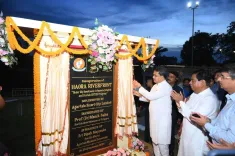
India's Mission Youth programme offers vocational training, entrepreneurship support, and psycho-social counselling to J&K youth, presided over by the Lieutenant Governor .
The report concludes that Islamabad has shown 'no commitment' to improving conditions in the territory it occupies.
Protests across Pakistan-occupied Jammu and Kashmir (PoJK) are intensifying, driven largely by students and young professionals demanding basic rights — from affordable electricity to accessible healthcare and education. The demonstrations, led under the banner of the Joint Awami Action Committee (JAAC), reflect what analysts describe as a systemic failure by Islamabad to address the aspirations of the region's younger generation.
Who Is Protesting and Why
According to a report by The Secretariat, many of those killed or seriously injured during the unrest are young people between the ages of 15–16 and 32–35 years. The JAAC has maintained that the protests are fundamentally about rights — spanning electricity pricing, quality education, and access to healthcare. 'With limited education opportunities, there are fewer opportunities for the youth in PoJK. Startups, sports, and higher education facilities have been reduced to a pipedream for the youth in the region,' the report noted.
Pakistan's Systemic Suppression
The report characterises the ongoing unrest as 'a stark indication of the Pakistani authorities' failure to address the aspirations of its people and its betrayal of the younger generation in the territory it occupies.' Protesters have reportedly faced severe suppression by Pakistani authorities, with young demonstrators bearing the brunt of the crackdown. Islamabad has, according to the report, shown no credible commitment to improving conditions in the occupied territory.
The Contrast: Jammu and Kashmir Post-Article 370
The report draws a pointed contrast with the Union Territory of Jammu and Kashmir, which, since the abrogation of Article 370 in August 2019, has reportedly witnessed expanded opportunities for youth. Enhanced access to sports infrastructure, coaching programmes, and competitive platforms has, according to the report, encouraged young individuals — especially girls — to pursue sports both as a passion and a professional career.
Mission Youth and Structured Opportunities
A key initiative cited is Mission Youth, described as a flagship programme of the Indian government for the youth of Jammu and Kashmir. The programme provides vocational training, financial assistance, and entrepreneurship support aimed at bridging the employment gap. It covers digital literacy, soft skills, industry-aligned training, psycho-social counselling, de-radicalisation support, and reintegration programmes. The Mission Youth Governing Body, presided over by the Lieutenant Governor of Jammu and Kashmir, has approved numerous schemes over the past several years.
What the Divergence Signals
The report concludes that the Union Territory of Jammu and Kashmir today offers opportunities that the youth of PoJK can only 'dream and aspire for.' Localised job fairs and targeted investments have, according to the report, enabled many young people — particularly women — to lead startups and access year-round career pathways. As protests in PoJK show no signs of abating, the gap between the two sides of the Line of Control appears to be widening in terms of youth development and institutional support.
Point of View
It signals a failure of the most basic governance compact. The contrast with post-Article 370 Jammu and Kashmir is real but requires scrutiny — India's own development narrative in the Union Territory is contested, and Mission Youth's outcomes have not been independently audited at scale. Still, the divergence in institutional intent is visible, and Islamabad's non-response to JAAC's demands only deepens the legitimacy deficit it faces in the occupied territory.
NationPress
23 Sept 2026
Frequently Asked Questions
What is the JAAC and what are PoJK protesters demanding?
The Joint Awami Action Committee (JAAC) is the umbrella body leading protests in Pakistan-occupied Jammu and Kashmir. Demonstrators are demanding relief on electricity prices, improved education access, and better healthcare — rights they say Islamabad has consistently failed to provide.
Who are the people being killed or injured in the PoJK unrest?
According to a report by The Secretariat, many of those killed or seriously injured during the protests are young people ranging from approximately 15–16 years to 32–35 years of age. The younger generation has been at the forefront of the demonstrations and has faced severe suppression by Pakistani authorities.
How does the situation in PoJK compare to Jammu and Kashmir after Article 370?
The report contrasts PoJK's deteriorating conditions with the Union Territory of Jammu and Kashmir, which has reportedly seen growth in sports infrastructure, youth employment programmes, and entrepreneurship opportunities since the abrogation of Article 370 in August 2019. The report states PoJK youth can only 'dream and aspire for' what J&K now offers.
What is Mission Youth in Jammu and Kashmir?
Mission Youth is described as a flagship programme of the Indian government for the youth of Jammu and Kashmir. It provides vocational training, financial assistance, entrepreneurship support, digital literacy, and psycho-social counselling. Its Governing Body is presided over by the Lieutenant Governor of Jammu and Kashmir.
Why has Islamabad failed to address PoJK's youth aspirations?
According to the report, Islamabad has shown no credible commitment to improving conditions in the occupied territory. Limited education facilities, lack of startup ecosystems, and restricted sporting infrastructure have left PoJK's youth with few pathways, while Pakistani authorities have responded to protests with suppression rather than policy reform.