PoK unrest day 36: JAAC leader calls region 'occupied territory', 6 civilians killed
Synopsis
A JAAC leader standing in Rawalakot just called Pakistan's own territory 'occupied' — not disputed. On day 36 of PoK's most sustained uprising in years, six civilians are reportedly dead, a communications blackout is in force, and rights groups are now formally asking the UN and EU to send a fact-finding mission. Islamabad's Kashmir narrative is under direct challenge from within.
Key Takeaways
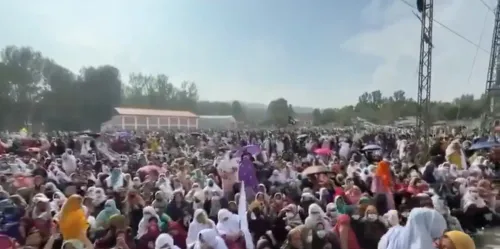
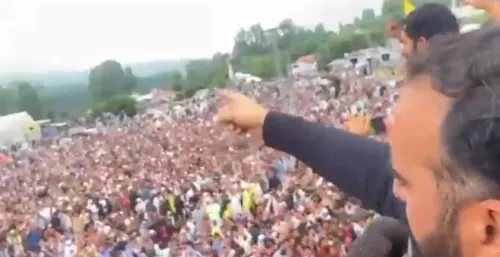
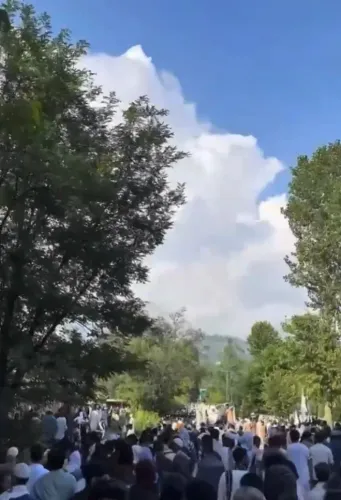
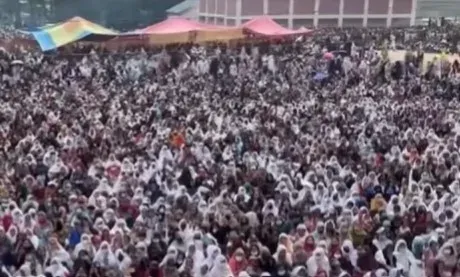
PoK unrest entered its 36th consecutive day on 15 July , with thousands gathering in Rawalakot .
JAAC leader Sardar Amman Khan declared PoK an 'occupied territory,' directly rejecting Pakistan 's official narrative.
Six civilians were reportedly killed after Pakistani security forces opened fire during clashes in Rawalakot , according to reports.
The UKPNP called for an independent international investigation into killings, enforced disappearances, and arbitrary arrests.
The UN , EU , UK , and US were formally urged to deploy a fact-finding mission to PoK.
The region reportedly remains under a strict blockade, curfew, and communications blackout.
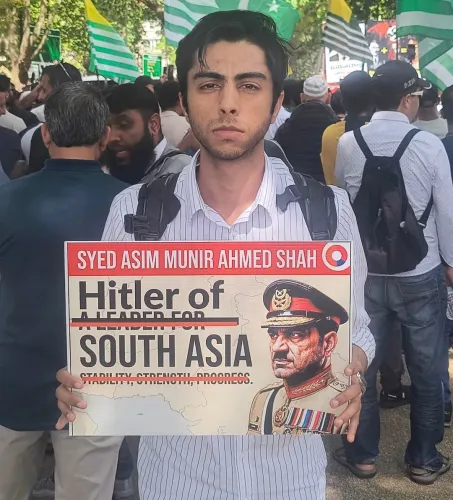
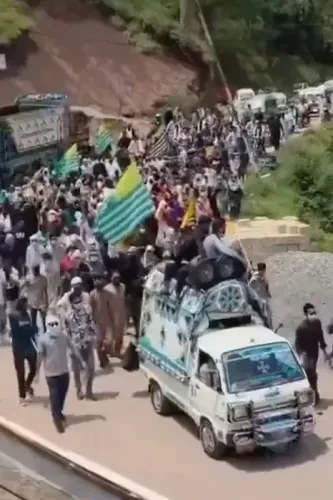
Thousands of protesters gathered in Rawalakot, Pakistan-occupied Kashmir (PoK), on Tuesday, 15 July as the region's unrest entered its 36th consecutive day, with Joint Awami Action Committee (JAAC) leader Sardar Amman Khan directly challenging Islamabad's long-standing Kashmir narrative by declaring PoK an 'occupied territory' — not a disputed one.
Separately, the United Kashmir People's National Party (UKPNP) on Wednesday condemned the reported killing of six civilians by Pakistani security forces during clashes in Rawalakot, calling for an independent international investigation into the violence.
What Sardar Amman Khan Said
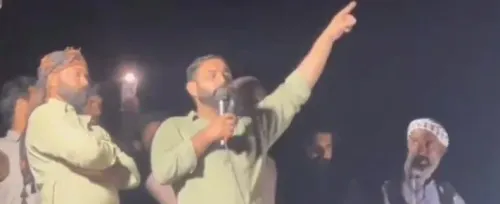
Addressing the massive gathering, Sardar Amman Khan declared: 'This is not a disputed territory. It is an occupied territory. It is forcibly occupied.' The statement is a pointed repudiation of Pakistan's official framing, which has historically described PoK as a disputed region under United Nations resolutions. Khan vowed the movement would not cease until 'victory' was achieved, adding that protesters were prepared to lay down their lives if necessary.
Six Civilians Reportedly Killed
According to reports, Pakistani security forces opened fire during clashes in Rawalakot, killing six civilians. The UKPNP strongly condemned the killings and called for 'an independent international investigation into the reported killings, excessive use of force against peaceful demonstrators, enforced disappearances, arbitrary arrests, intimidation, and the continuing restrictions affecting civilians.' The party also demanded that all detainees be produced before competent courts and that due process be guaranteed.
UKPNP's Demands on Pakistan
The UKPNP urged the Pakistani government to immediately halt the use of lethal force against civilians, end arbitrary arrests and enforced disappearances, and restore access to food, medicine, and healthcare. The party also called for lifting communication restrictions and guaranteeing freedom of movement across the region, which reportedly remains under a strict blockade, curfew, and a communications blackout.
International Community Urged to Act
The UKPNP appealed directly to the United Nations, the European Union, the United Kingdom, the United States, and the broader international community to deploy an independent fact-finding mission to PoK. It called for impartial investigations into all reported killings and alleged human rights violations, and for on-the-ground monitoring of the human rights situation. Notably, this is the first time in the current protest cycle that a formal international appeal of this scope has been made.
36 Days of Unrest: The Broader Picture
The protests sweeping PoK represent one of the most sustained challenges to Islamabad's control over the region in recent memory. Pakistani forces have reportedly carried out a crackdown that has left dozens of civilians dead and injured, according to rights groups and local accounts. The region's communications blackout has made independent verification difficult, lending urgency to calls for international access. As the movement enters its sixth week, the trajectory of both the protests and Islamabad's response will be closely watched.
Frequently Asked Questions
What is the PoK unrest about and how long has it been going on?
Protests in Pakistan-occupied Kashmir have been ongoing for 36 consecutive days as of 15 July, driven by anti-government sentiment and demands for rights and autonomy. The movement has drawn thousands to the streets in Rawalakot and other parts of the region.
What did JAAC leader Sardar Amman Khan say about PoK?
Sardar Amman Khan declared that PoK is 'not a disputed territory' but 'an occupied territory' that is 'forcibly occupied' by Pakistan. He vowed the movement would continue until victory, even if protesters had to lay down their lives.
How many civilians have been killed in the PoK unrest?
According to reports, six civilians were killed after Pakistani security forces opened fire during clashes in Rawalakot. Rights groups say dozens of civilians have been killed and injured since the unrest began, though the communications blackout makes independent verification difficult.
What has the UKPNP demanded from Pakistan and the international community?
The United Kashmir People's National Party has demanded that Pakistan end the use of lethal force, halt arbitrary arrests and enforced disappearances, and restore access to food, medicine, and communications. It has also urged the UN, EU, UK, and US to deploy an independent fact-finding mission to investigate reported human rights violations.
Why is the PoK unrest significant for India's position on Kashmir?
The JAAC leader's use of the phrase 'occupied territory' — language historically used by India to describe PoK — directly challenges Pakistan's framing of the region as 'disputed.' This internal dissent weakens Islamabad's diplomatic narrative on Kashmir at a critical juncture.