Japan's Air Chief flies Tejas at Exercise Veer Guardian-2026 in Jodhpur
Synopsis
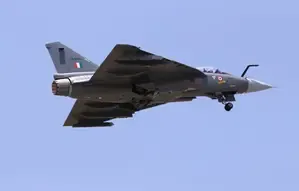
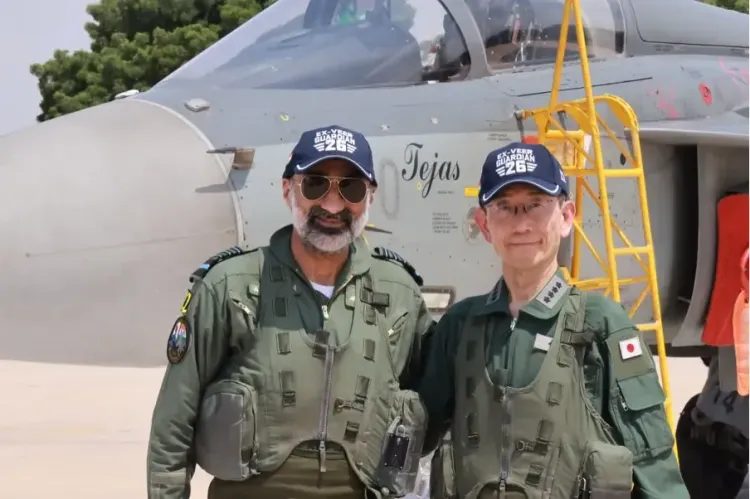
Japan's Air Force chief didn't just observe Exercise Veer Guardian-2026 — he flew India's indigenous Tejas fighter alongside the IAF chief, in what both sides framed as a living symbol of Indo-Pacific alignment. The sortie is one of the most tangible endorsements the Tejas has received from a foreign military leader, with implications for India's defence export ambitions and the deepening India-Japan security partnership.
Key Takeaways
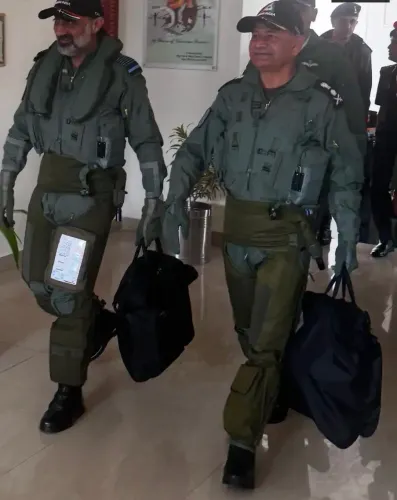
JASDF Chief of Staff General Takehiro Morita flew the Tejas fighter at Air Force Station Jodhpur on 20 September 2026 .
The sortie took place at Exercise Veer Guardian-2026 , the second edition of the India-Japan bilateral air exercise.
IAF Chief Air Marshal A.P.
Singh also flew in the Tejas formation alongside General Morita.
General Morita described the flight as 'a powerful symbol of trust, confidence, and friendship' between the two nations.
Both chiefs invoked a shared vision of 'a free and open Indo-Pacific' as the strategic foundation for the partnership.
The exercise scope reportedly includes potential cooperation in the space domain , alongside tactical flying and leadership exchanges.
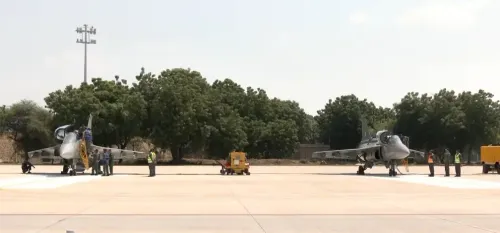
Japan Air Self-Defense Force (JASDF) Chief of Staff General Takehiro Morita flew India's indigenously developed fighter aircraft, the Tejas, at Air Force Station Jodhpur on 20 September 2026, calling the sortie 'a powerful symbol of trust, confidence, and friendship.' The flight took place on the sidelines of Exercise Veer Guardian-2026, the second edition of the bilateral air exercise between the Indian Air Force (IAF) and the JASDF.
What Happened at Jodhpur
Indian Air Force Chief Air Marshal A.P. Singh and General Morita flew together in the Tejas formation, a visible demonstration of deepening defence and aerial cooperation between India and Japan. The dual sortie was described by both chiefs as far more than a ceremonial gesture — it signalled substantive operational trust between the two air forces.
Speaking at a joint press interaction during the exercise, General Morita said: 'I will remember it not only as a truly valuable experience, but also as a powerful symbol of trust, confidence, and friendship.'
What General Morita Said About the Partnership
The JASDF chief underlined that the bilateral relationship had evolved well beyond routine exercises. 'Our partnership has progressed beyond simply conducting exercises together to refine our tactical capabilities at a practical level. Through increasingly sophisticated training, our two air forces have advanced our cooperation,' he said.
General Morita added that these efforts strengthen the capability of both forces to contribute to peace and stability, and over time help reinforce regional deterrents. He specifically invoked the shared Indo-Pacific vision: 'Japan and India share that common vision of a free and open Indo-Pacific.'
Air Marshal Singh on 'Kizuna' and the Tejas
Air Chief Marshal A.P. Singh welcomed General Morita and his contingent, describing the partnership as one 'built on mutual respect, professional trust, and shared commitment to peace and stability.' He evoked the Japanese concept of Kizuna — meaning enduring bonds forged through mutual trust and support — to characterise the bilateral relationship, calling it 'a bond that grows stronger through shared experiences, mutual respect, and collaboration.'
On General Morita's Tejas sortie, the IAF chief said: 'I will say that the defence aviation industry and R&D are now set to hit much higher heights,' describing the flight as 'a very clear example of how much faith and trust you have in the homegrown Indian aircraft.'
Scope of Veer Guardian-2026
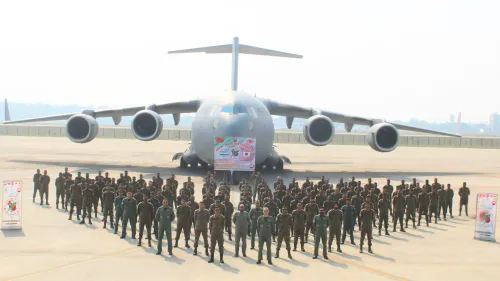
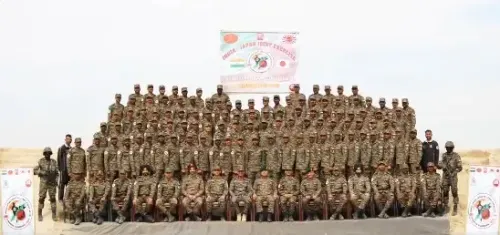
The exercise's activities span tactical flying, exchanges at every level from senior leadership to subject matter experts, and reportedly potential cooperation in the space domain. Both sides noted that the sophistication of the bilateral exercises reflects the maturity of the partnership and a shared commitment to regional peace and stability.
This comes amid a broader tightening of India-Japan defence ties, with both nations increasingly aligned on the Indo-Pacific security architecture. The Tejas sortie by a foreign air chief is among the most high-profile endorsements the indigenous aircraft has received — and one that carries strategic weight beyond the flight line at Jodhpur.
Point of View
General Morita's sortie is among the most credible third-party validations the aircraft has received, arriving at a moment when Tejas export talks are live with several nations. The deeper question is whether the Veer Guardian exercises translate into hardware cooperation: India has quietly sought Japanese advanced manufacturing expertise, and Japan has relaxed its arms-export restrictions in recent years. If the space-domain cooperation hinted at during the exercise materialises, this partnership could move well beyond air-to-air interoperability into a structural defence-industrial axis — one that Beijing will be watching closely.
NationPress
20 Sept 2026
Frequently Asked Questions
What is Exercise Veer Guardian-2026?
Exercise Veer Guardian-2026 is the second edition of the bilateral air exercise between the Indian Air Force and Japan's Air Self-Defense Force, being conducted at Air Force Station Jodhpur in September 2026. It includes tactical flying, senior leadership exchanges, subject matter expert interactions, and reportedly potential space-domain cooperation.
Why did Japan's Air Force chief fly the Tejas?
JASDF Chief of Staff General Takehiro Morita flew the Tejas as part of Exercise Veer Guardian-2026, a move both sides framed as a demonstration of deep operational trust. General Morita described the sortie as a symbol of trust, confidence, and friendship between India and Japan.
What did IAF Chief Air Marshal A.P. Singh say about the Tejas flight?
Air Chief Marshal A.P. Singh called General Morita's Tejas sortie a very clear example of the faith and trust a foreign air chief has in India's homegrown aircraft, adding that the defence aviation industry and R&D are set to hit much higher heights as a result.
What is the significance of India-Japan air force cooperation?
Both nations share a vision of a free and open Indo-Pacific, and their bilateral exercises have grown increasingly sophisticated. The partnership now spans tactical training, leadership engagement, and potentially the space domain, making it a key pillar of the broader India-Japan strategic relationship.
What does 'Kizuna' mean in the context of this exercise?
Air Chief Marshal A.P. Singh invoked the Japanese concept of Kizuna — meaning enduring bonds forged through mutual trust and support — to describe the India-Japan air force relationship, calling it a bond that grows stronger through shared experiences, mutual respect, and collaboration.