Bangladesh prisons house 98,233 inmates at double capacity, health crisis deepens
Synopsis
Bangladesh's prisons are holding more than twice their designed capacity — 98,233 inmates in facilities built for 45,186 — and the healthcare system inside has all but collapsed. With only two prison doctors filling 151 sanctioned posts nationwide and 122 inmate deaths already recorded this year, the crisis is no longer a civil society talking point: it was acknowledged by the Home Minister in Parliament. The question now is whether acknowledgement will finally translate into reform.
Key Takeaways
Bangladesh's 75 prisons hold 98,233 inmates against a designed capacity of 45,186 — more than double.
Dhaka Central Jail in Keraniganj has only two doctors for 13,958 inmates , with 500 outpatient visits daily.
Of 151 sanctioned prison doctor posts nationwide, reportedly only two are filled; 73 prisons depend on part-time doctors.
187 prisoners died last year; 122 have died so far this year.
In June–July 2024 , mobile courts sent more than 26,000 people to jail, further straining capacity.
An unofficial payment system allows wealthier inmates to secure better sleeping arrangements and food.
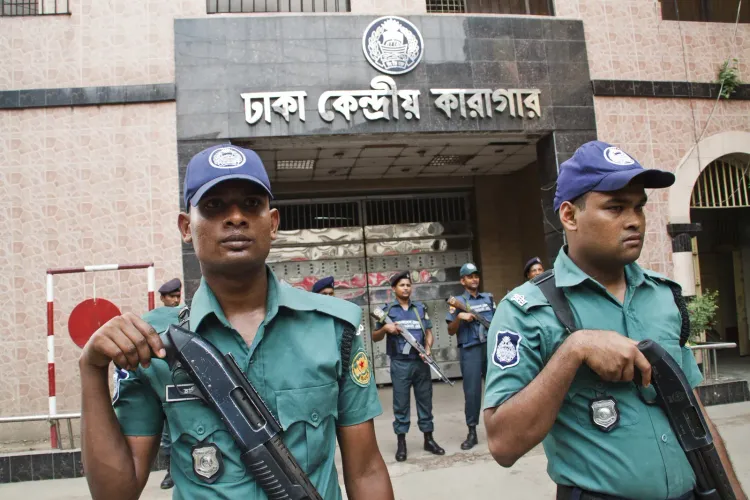
Bangladesh's 75 prisons are holding 98,233 inmates against a combined capacity of 45,186 — more than twice their designated limit — triggering what rights observers describe as a severe humanitarian crisis inside the country's correctional facilities. A report by Bangladesh's The Daily Star has flagged the conditions as a violation of basic human rights, calling urgently for systemic reform.
Scale of Overcrowding
The numbers lay bare a system stretched far beyond its design. With 98,233 prisoners crammed into facilities built for fewer than half that number, basic living conditions have deteriorated sharply. The gravity of the situation was acknowledged by Bangladesh's Home Minister in Parliament just a few months ago, lending official weight to what civil society groups had long been warning.
Notably, the crisis has been compounded by periodic mass arrests. In June–July this year, mobile courts sent more than 26,000 people to jail — many on short sentences — pushing already strained facilities further over the edge. The report raises pointed questions about whether such enforcement drives are inadvertently incarcerating innocent individuals, citing documented past instances of wrongful detention.
A Healthcare System in Collapse
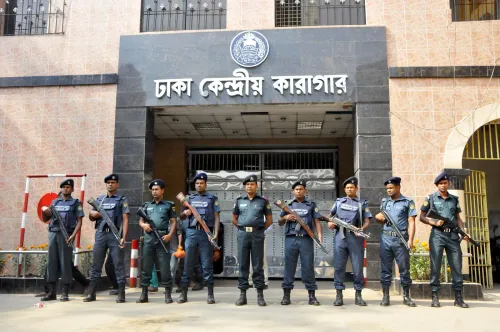
Dhaka Central Jail in Keraniganj, which holds 13,958 inmates, has only two attached doctors and no permanent physician. According to the report, at least 500 inmates visit its outpatient facility every single day, placing an impossible burden on the two-doctor team.
The staffing crisis extends nationwide. Of 151 sanctioned posts for prison doctors across Bangladesh, reportedly only two have been filled. The remaining 73 prisons rely on part-time doctors drawn from civil surgeon offices. Nurses and ambulances are also in critically short supply — the ambulance shortage, the report notes, makes it difficult to transport critically ill prisoners to hospital in time.
The human cost is already visible: 187 prisoners died last year; 122 have died so far this year, according to the report's figures.
An Unofficial Two-Tier System
Beyond overcrowding and medical neglect, the report documents an unofficial payment system operating inside jails, under which inmates who can pay secure better sleeping arrangements and improved food. 'The more a prisoner can pay, the slightly better the conditions,' the report stated, pointing to a de facto stratification that compounds the inequity already embedded in the system.
This informal hierarchy, critics argue, undermines the principle of equal treatment under incarceration and raises further accountability concerns for prison administrators.
Systemic Causes and Reform Demands
The report attributes overcrowding not merely to infrastructure gaps but to deeper structural failures: cases of mistaken identity, inadequate legal representation, prolonged trials, denial of bail, and, in some instances, false charges. It calls on the government to audit whether all current detentions are lawful and to assess the validity and duration of pending cases.
'Endless discussions have taken place on improving prison conditions, with little visible impact. New prisons have been built, but the roots of overcrowding have been left unaddressed,' the report stated bluntly.
It demands that authorities guarantee inmates access to proper healthcare, nutritious food, clean living conditions, and adequate sanitation — describing the current state of affairs as 'unacceptable'. With Bangladesh's prison crisis now a matter of parliamentary record, the pressure on the government to move from acknowledgement to action is mounting.
Point of View
Parliament-acknowledged emergency that has resisted reform for years. The real scandal is not just overcrowding but the structural incentives that sustain it: mobile court drives that flood jails with short-sentence detainees, a legal aid system too thin to clear wrongful detentions, and a prison medical cadre so depleted that 149 of 151 sanctioned doctor posts sit vacant. New prison construction, the report rightly notes, treats the symptom while the causes go unaddressed. Until Bangladesh audits the legality of current detentions and dismantles the pay-for-comfort hierarchy inside its jails, the death toll will keep rising and the rights violation will remain officially acknowledged but practically ignored.
NationPress
22 Aug 2026
Frequently Asked Questions
How overcrowded are Bangladesh's prisons?
Bangladesh's 75 prisons currently hold 98,233 inmates against a combined designed capacity of 45,186 — more than twice the intended limit. The situation has been described as a violation of basic human rights by a report in The Daily Star.
How severe is the healthcare crisis in Bangladesh jails?
The crisis is acute: of 151 sanctioned prison doctor posts across the country, reportedly only two have been filled, leaving 73 prisons dependent on part-time doctors from civil surgeon offices. Dhaka Central Jail in Keraniganj has just two doctors for 13,958 inmates, with 500 outpatient visits recorded daily.
How many prisoners have died in Bangladesh jails this year?
According to the report, 122 prisoners have died so far this year, following 187 deaths recorded last year. A critical shortage of ambulances has also made it difficult to transport seriously ill inmates to hospital in time.
What is the unofficial payment system inside Bangladesh prisons?
The report documents an informal arrangement under which inmates who can pay secure better sleeping conditions and improved food. Critics argue this creates a two-tier system that violates the principle of equal treatment and raises accountability questions for prison authorities.
What reforms has the report called for?
The report calls on the Bangladesh government to investigate the root causes of overcrowding, audit whether all current detentions are lawful, and ensure inmates have guaranteed access to healthcare, nutritious food, clean living conditions, and adequate sanitation. It also urges scrutiny of mass arrest drives by law enforcement that rapidly inflate prison populations.