Bangladesh prisons report: Class divide turns jails into luxury or hell
Synopsis
Bangladesh's prisons officially house 42,887 inmates but hold over 82,000 — and the suffering is not shared. A new report reveals that money and political connections buy wealthy prisoners private rooms, special meals, and refrigerators for insulin, while the poor sleep in shifts. The reformist slogan 'not a jail, but a correction centre' rings hollow against what investigators describe as a two-tier carceral system.
Key Takeaways
Bangladesh's 72 prisons hold over 82,000 inmates against an official capacity of 42,887 — nearly double.
Overcrowding and inhumane conditions fall almost entirely on ordinary and poor prisoners , while wealthy inmates access private, comfortable blocks.
Affluent inmates reportedly spend hundreds of thousands of Bangladeshi Taka monthly on special meals, private accommodation, and premium medical care.
The crackdown 'Operation Devil Hunt Phase 2' , ahead of the 13th National Parliamentary Election , sharply increased daily arrests and prison intake.
A report by Pressenza , citing human rights activists and prison experts, calls dismantling corruption inside prisons an 'urgent necessity.'
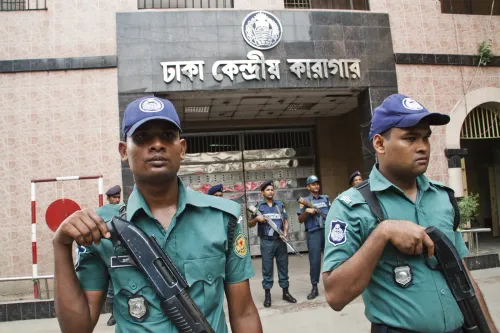
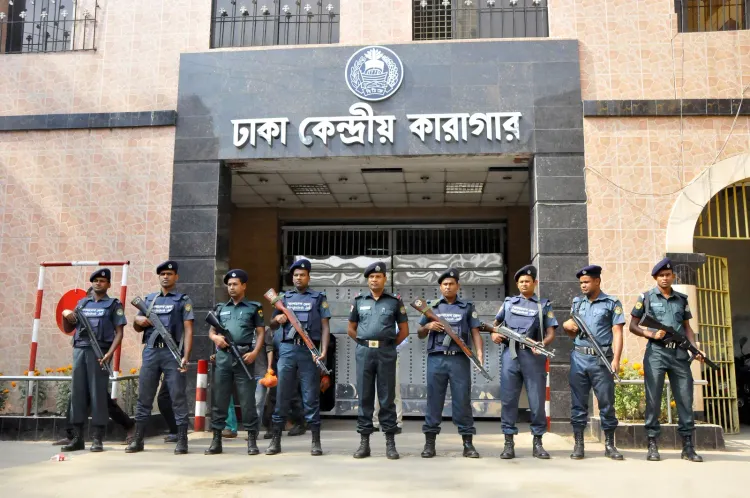
A fresh report on Bangladesh's prison system has exposed stark class-based discrimination across the country's 72 correctional facilities, revealing that wealth and political connections determine whether incarceration means comfortable living or profound suffering. The findings, cited by international outlet Pressenza and drawing on human rights activists and prison experts, paint a damning picture of a system that operates under reformist slogans while entrenching inequality behind bars.
Overcrowding Crisis Falls on the Poor
According to the report, Bangladesh's prisons have an official capacity of 42,887 inmates, yet the actual prison population has surged past 82,000 — nearly double the structural limit. Critically, this overcrowding is not experienced equally. Ordinary and impoverished prisoners are forced to endure severe congestion, with hundreds reportedly lacking even minimal sleeping space and spending sleepless nights in packed cells. Affluent inmates, by contrast, reportedly secure accommodation in separate, quiet, and comfortable blocks.
Money as the Primary Currency Inside Prisons
Investigations cited in the report indicate that money has become the dominant force governing life inside Bangladeshi prisons. Wealthy inmates are said to spend hundreds of thousands of Bangladeshi Taka monthly to upgrade their conditions. Privileges reportedly available through financial clout include special meals, private accommodation, premium medical care, and regular communication with the outside world. Inmates with chronic illnesses, according to the report, even enjoy exclusive facilities such as refrigerators for storing insulin. For particularly influential individuals, hospital prison cells have reportedly been converted into what the report describes as 'centres of leisurely living.'
Operation Devil Hunt and Rising Prison Populations
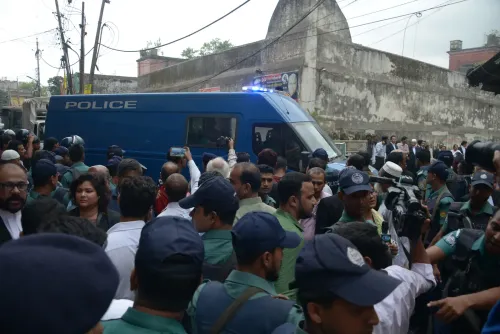
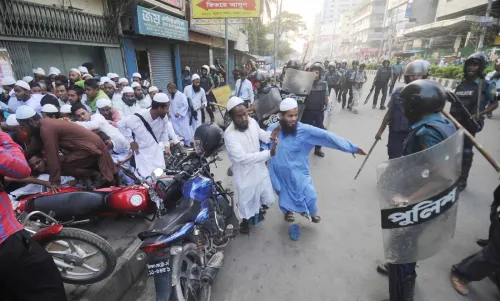
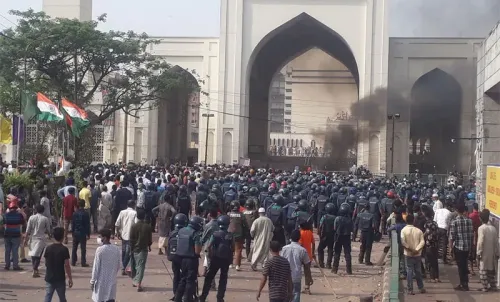
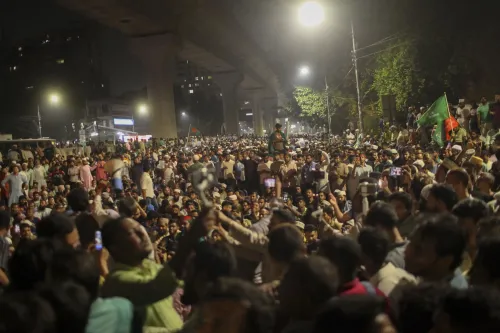
The report situates the current crisis within a specific political moment. Ahead of Bangladesh's 13th National Parliamentary Election, a nationwide crackdown titled 'Operation Devil Hunt Phase 2' — conducted jointly by law enforcement agencies and military personnel — led to a surge in daily arrests. Individuals implicated in various cases and criminal activities were sent to correctional facilities in large numbers, further straining an already overburdened system.
The Gap Between Slogan and Reality
Although Bangladesh's 72 prisons officially operate under the reformist motto 'not a jail, but a correction centre', the report argues the ground reality diverges sharply from this ideal. Human rights activists and prison experts cited in the findings assert that correctional facilities should function as 'controlled, rigorous, and egalitarian spaces of rehabilitation.' Instead, Bangladeshi prisons are reportedly shaped by 'personal connections, political identity, and financial leverage' rather than institutional rules.
Call for Systemic Reform
The report concludes with a sharp critique, stating that 'subjecting prisoners to such class discrimination and degrading treatment under the guise of punishment or rehabilitation cannot be the benchmark of a civilised society.' It calls dismantling corruption and the abuse of power — and establishing equal human dignity for all inmates regardless of wealth or status — an 'urgent necessity' if Bangladesh's prison system is to genuinely transform into a network of correction centres. Human rights observers are expected to press the interim administration for a formal response to the findings.
Point of View
The prison stops being a correctional institution and becomes a marketplace of impunity. The timing matters too: a pre-election crackdown that floods facilities already at twice their capacity will, by design or default, punish the poor most. Bangladesh's interim administration faces a credibility test — whether the 'correction centre' rebrand is policy or just signage.
NationPress
19 Sept 2026
Frequently Asked Questions
What did the Bangladesh prison report find?
The report, cited by international outlet Pressenza, found that Bangladesh's 72 prisons are marked by severe class discrimination, where wealthy and politically connected inmates enjoy private accommodation, special food, and premium medical care, while poor prisoners endure inhumane overcrowding. The official capacity stands at 42,887 but the actual population has exceeded 82,000.
How overcrowded are Bangladesh's prisons?
Bangladesh's 72 prisons officially have capacity for 42,887 inmates but currently hold more than 82,000 — nearly double the structural limit. According to the report, the burden of this overcrowding falls almost exclusively on ordinary and impoverished prisoners, hundreds of whom reportedly lack even minimal space to sleep.
What is 'Operation Devil Hunt Phase 2' and how did it affect prisons?
'Operation Devil Hunt Phase 2' was a nationwide crackdown conducted jointly by law enforcement agencies and military personnel ahead of Bangladesh's 13th National Parliamentary Election. The operation led to large-scale daily arrests, sending individuals implicated in various cases to already-strained correctional facilities and worsening the overcrowding crisis.
What privileges do wealthy inmates reportedly enjoy in Bangladesh prisons?
According to the report, affluent inmates spend hundreds of thousands of Bangladeshi Taka monthly to secure special meals, private accommodation, premium medical care, and regular outside communication. Those with chronic illnesses reportedly have access to refrigerators for storing insulin, and influential individuals have effectively turned hospital prison cells into comfortable living quarters.
What reforms does the report recommend for Bangladesh's prison system?
The report calls for dismantling corruption and the abuse of power within prisons, and for establishing equal human dignity for all inmates regardless of wealth or status. It argues that class-based discrimination inside prisons is incompatible with a civilised society and that genuine transformation into 'correction centres' requires urgent systemic change.