India-Germany submarine deal: Type 214 pact signals Indo-Pacific shift
Synopsis
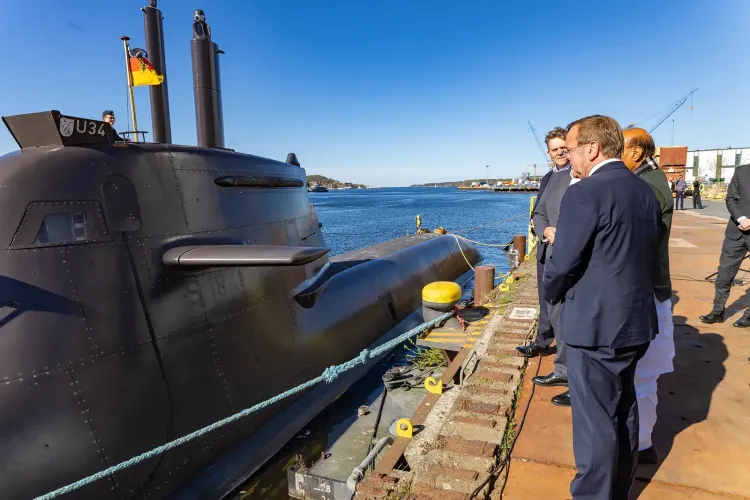
The proposed India-Germany submarine pact is more than a weapons purchase — it is a technology-transfer arrangement that would see Type 214 submarines built at Mazagon Dock Shipyard by Indian engineers trained by German specialists. If concluded, it could reshape India's naval self-reliance calculus while giving Germany its most significant Indo-Pacific security foothold yet.
Key Takeaways
A proposed India-Germany submarine deal would see Type 214 submarines built at Mazagon Dock Shipyard , Mumbai , under a technology-transfer arrangement.
Indian engineers would be trained by German specialists, giving New Delhi access to advanced underwater stealth and propulsion systems.
India's submarine push is driven by security challenges from nuclear-armed neighbours China and Pakistan , according to the report.
For Germany , the deal offers a strategic entry point into the Indo-Pacific , expanding its security role beyond Europe .
The final shape of the agreement hinges on technology-transfer scope, production allocation, and access to sensitive systems.
Defence analysts cited in the report expect underwater warfare to play a 'pivotal role' in future Indo-Pacific conflicts.
A proposed submarine partnership between India and Germany is being closely watched as a strategic realignment that extends well beyond conventional defence procurement, according to an analysis published by Athens-based strategic affairs outlet Directus. The report, dated 20 June, argues that the deal reflects a convergence of naval modernisation imperatives, industrial policy goals, and shifting geopolitical alignments across the Indo-Pacific.
What the Deal Involves
At the centre of the agreement is a plan to build Type 214 submarines at Mumbai's Mazagon Dock Shipyard, with Indian engineers trained by German specialists. This technology-transfer component, according to the report, is 'one of the most strategically significant aspects of the agreement.' The arrangement would give India direct access to advanced underwater propulsion and stealth systems — capabilities it has long sought to develop domestically.
The final contours of the deal, the report notes, will depend on which specific technologies are transferred, how production responsibilities are divided, and the extent of access granted to Indian engineers for sensitive systems. For Berlin, sharing cutting-edge submarine technology involves difficult decisions around intellectual property, industrial secrets, and national security considerations.
India's Strategic Calculus
India's submarine ambitions are driven, the report argues, by the security challenges posed by its two nuclear-armed neighbours — China and Pakistan. Submarines are increasingly regarded as the most decisive weapons of modern naval power, described in the analysis as 'silent, difficult to detect, and capable of threatening far larger fleets.' Defence analysts cited in the report expect underwater warfare to play a pivotal role in future conflicts, particularly as vital sea lanes across the Indo-Pacific face rising traffic and security risks.
For New Delhi, the partnership promises enhanced deterrence, domestic job creation, and accelerated growth of its defence-industrial base. India's objective, the report states, is clear: develop domestic expertise, strengthen indigenous shipbuilding capabilities, and reduce dependence on foreign suppliers.
Germany's Indo-Pacific Ambitions
For Germany, the deal represents an opportunity to establish a stronger strategic presence in one of the world's most consequential regions. Supporting India's naval modernisation, the report argues, allows Berlin to expand its footprint beyond Europe and position itself as a credible security partner in the Indo-Pacific — a region that has grown in importance to European capitals in the wake of shifting global supply chains and maritime security concerns.
Citing defence analysts, the report frames technology-sharing agreements not merely as military procurement but as 'a foundation for long-term strategic partnerships' that build 'political trust, economic interdependence, and deeper diplomatic alignment.'
Broader Implications for Regional Security
Whether the partnership ultimately stabilises the region or intensifies competition remains an open question. The report concludes that 'the future struggle for influence in the Indo-Pacific will increasingly be fought beneath the waves' — a framing that underscores the growing premium placed on submarine capabilities by navies across Asia. This comes amid a broader regional arms build-up, with countries from Australia to South Korea investing heavily in advanced underwater fleets.
Both sides, the report contends, stand to gain from a partnership that could span decades — provided the technology-transfer negotiations clear the considerable diplomatic and industrial hurdles that lie ahead.
Point of View
The deal fits a pattern of diversifying defence partnerships — from Russia to France to the US — but the Type 214's technology-transfer clause, if realised, would mark a qualitative step up in indigenous capability. The harder question is whether Germany's domestic industrial and IP concerns will dilute the transfer enough to limit its strategic value. Past defence co-production agreements involving India have frequently stalled on exactly this fault line.
NationPress
21 Jun 2026
Frequently Asked Questions
What is the proposed India-Germany submarine deal?
The proposed deal involves building German-designed Type 214 submarines at Mazagon Dock Shipyard in Mumbai , with a technology-transfer component that would train Indian engineers under German specialists. It is aimed at boosting India's indigenous naval manufacturing capability and reducing dependence on foreign suppliers.
Why does India want this submarine partnership with Germany?
India seeks to develop domestic submarine expertise, strengthen its defence-industrial base, and enhance naval deterrence against regional adversaries, particularly China and Pakistan . Submarines are considered a critical asset in the increasingly contested Indo-Pacific maritime environment.
What does Germany gain from the submarine deal with India?
For Germany , the deal offers an opportunity to expand its strategic presence in the Indo-Pacific and establish itself as a key security partner in the region, extending its influence beyond Europe . It also builds long-term political and economic ties with one of Asia's largest defence markets.
What are the key challenges in finalising the agreement?
The main sticking points involve the scope of technology transfer — specifically which sensitive systems Indian engineers can access — as well as the allocation of production responsibilities and concerns around intellectual property and industrial secrets on the German side.
How does this deal fit into broader Indo-Pacific security trends?
The deal reflects a wider regional build-up of submarine capabilities, with countries across Asia and beyond investing in advanced underwater fleets. Defence analysts cited in the report expect underwater warfare to play a pivotal role in future conflicts as geopolitical competition across the Indo-Pacific intensifies.