PTM chief Manzoor Pashteen accuses Pakistan army of shedding Pashtun blood at Toronto conference
Synopsis
PTM chief Manzoor Pashteen used a Toronto diaspora conference to accuse Pakistan's military of shedding 'Pashtun and Afghan blood like water' — and to launch a coordinated international campaign for UN-led accountability, lifting of the PTM ban, and disclosure of missing persons. With former diplomats from Canada and Afghanistan backing the call, the movement is betting on global isolation as its lever.
Key Takeaways
Manzoor Pashteen , chief of the Pashtun Tahafuz Movement (PTM) , accused Pakistan's military of extrajudicial killings, enforced disappearances, and resource plunder in Pashtun regions on 15 October 2026 .
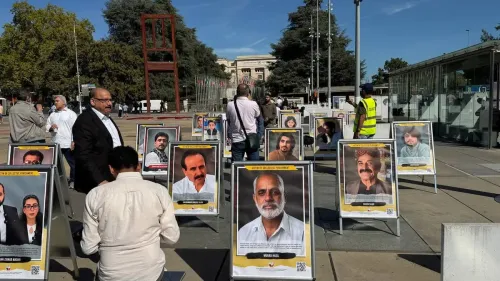
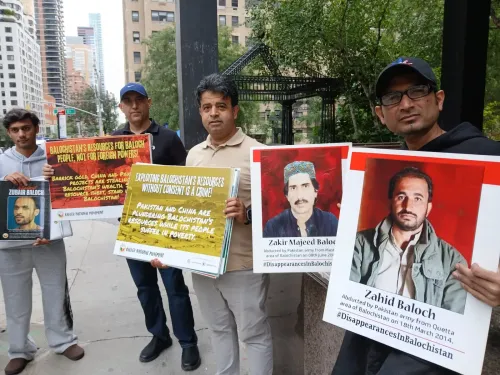
He cited the ongoing imprisonment of PTM leaders Ali Wazir and Haji Samad and alleged that Pashtuns remain held in military 'private prisons'.
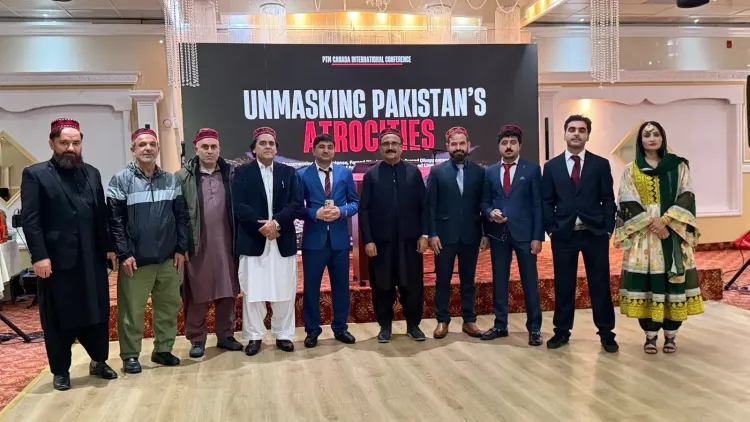
The Toronto conference , titled 'Unmasking Pakistan's Atrocities', adopted a declaration demanding a UN-led truth and reconciliation commission and release of unlawfully detained persons.
Former Canadian Ambassador to Afghanistan Chris Alexander and former Afghan MP Shinkai Karokhail spoke at the event, accusing Pakistan of using terrorism as both a tool and a pretext.
PTM was founded in 2014 and was banned by Pakistan under the Anti-Terrorism Act in October 2024 .
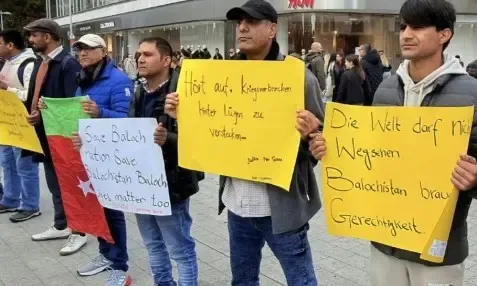
Pashtun Tahafuz Movement (PTM) chief Manzoor Pashteen on 15 October 2026 levelled sweeping accusations against Pakistan's military, alleging extrajudicial killings, enforced disappearances, and systematic plunder of resources in Pashtun-majority regions. Speaking virtually at an international conference organised by PTM Canada in Toronto, Pashteen urged the global diaspora to work collectively toward isolating Islamabad on the world stage.
Pashteen's Core Allegations
'The state is shedding Pashtun and Afghan blood like water. It has plundered our resources and destroyed our homeland,' Pashteen said, addressing hundreds of attendees at the event titled 'Unmasking Pakistan's Atrocities'. He alleged that numerous Pashtuns remain held in what he described as the military's 'private prisons', citing specifically the continued imprisonment of PTM leaders Ali Wazir and Haji Samad as emblematic cases.
Pashteen also dismissed Pakistan's democratic institutions as a facade, questioning the military's counter-terrorism rationale. 'Look at its parliament: the military brings in whoever it wants and removes whoever it does not want. Keeping hopes alive in such a system was a waste of time. What kind of strange terrorism is this that does not exist in Punjab, while projects of terrorism are implemented only in Pashtunkhwa?' he said. He called on Pashtuns, Baloch, Sindhis, and Kashmiris to unite against what he termed their 'common enemy'.
Conference Declaration and Demands
The Toronto gathering adopted a formal declaration outlining five core demands: the establishment of an independent truth and reconciliation commission under UN auspices; full disclosure of the whereabouts of missing persons; release of those allegedly detained unlawfully; lifting of the ban on PTM; and the restoration of local control over land and natural resources in affected regions. The declaration reflects a deliberate shift toward internationalising what PTM frames as a domestic human rights crisis.
International Voices at the Gathering
The conference drew notable international figures. Chris Alexander, a former Canadian Ambassador to Afghanistan, addressed attendees and accused Pakistan's military leadership of seeking to dominate Afghanistan through proxies and terrorism. 'End the violence. That is the key to everything,' he said. Shinkai Karokhail, a former Afghan Member of Parliament and ex-Ambassador to Canada, charged that Pakistan 'nurtures terrorism and also presents itself as its victim', adding that Afghans would carry documented evidence of alleged atrocities to every available international forum.
Background: PTM and Its Ban
PTM was founded in 2014 and has since campaigned against extrajudicial killings and enforced disappearances primarily in Pakistan's tribal and Pashtun-majority regions. In October 2024, Pakistan's government formally banned the movement under what critics describe as a misapplication of the country's Anti-Terrorism Act. The ban has drawn condemnation from international human rights organisations, which argue it further silences legitimate dissent. This Toronto conference is part of a broader PTM push to build pressure through diaspora networks and international advocacy, following restricted space for the movement inside Pakistan.
Wider Regional Context
This comes amid longstanding international scrutiny of Pakistan's handling of its Pashtun and Baloch populations, with rights groups including Amnesty International and Human Rights Watch documenting patterns of enforced disappearances over the past two decades. Pakistan's military has consistently denied systematic abuses, attributing operations in the region to counter-terrorism imperatives. The conference in Toronto signals PTM's intent to keep international attention on these allegations even as the movement remains suppressed within Pakistan's borders.
Point of View
Barred inside Pakistan since October 2024, is pivoting hard toward international legitimacy, using diaspora networks and foreign diplomatic voices to compensate for its domestic suppression. The presence of a former Canadian ambassador and a former Afghan lawmaker lends the event a credential that Islamabad will find difficult to dismiss as fringe activism. What this conference also exposes is the gap between Pakistan's counter-terrorism self-narrative and the lived reality of communities in Pashtunkhwa — a contradiction that grows harder to contain as documentation improves and international forums multiply. The demand for a UN-backed truth commission is unlikely to materialise quickly, but it sets a benchmark against which Pakistan's silence will be measured.
NationPress
15 Oct 2026
Frequently Asked Questions
What did PTM chief Manzoor Pashteen allege at the Toronto conference?
Pashteen accused Pakistan's military of extrajudicial killings, enforced disappearances, and plunder of resources in Pashtun regions, calling the state responsible for shedding 'Pashtun and Afghan blood like water'. He also alleged that Pashtuns, including PTM leaders Ali Wazir and Haji Samad, remain held in military detention without due process.
What demands did the PTM Canada conference adopt?
The conference adopted a declaration calling for a UN-supervised independent truth and reconciliation commission, disclosure of missing persons' whereabouts, release of unlawfully detained individuals, lifting of the ban on PTM, and restoration of local control over land and natural resources in Pashtun regions.
Why was PTM banned in Pakistan?
Pakistan banned PTM in October 2024 under the Anti-Terrorism Act. The movement and international human rights groups have criticised the ban as an attempt to silence legitimate dissent against military operations in tribal and Pashtun-majority areas.
Who else spoke at the Toronto conference besides Pashteen?
Former Canadian Ambassador to Afghanistan Chris Alexander accused Pakistan's military of dominating Afghanistan through proxies and terrorism. Former Afghan MP and ex-Ambassador to Canada Shinkai Karokhail alleged that Pakistan 'nurtures terrorism and also presents itself as its victim' and said Afghans would take evidence of atrocities to international forums.
What is the Pashtun Tahafuz Movement and when was it founded?
The Pashtun Tahafuz Movement (PTM) is a civil society and rights movement founded in 2014, primarily campaigning against extrajudicial killings, enforced disappearances, and military abuses in Pakistan's Pashtun-majority and tribal regions. It was formally banned by the Pakistani government in October 2024 under the Anti-Terrorism Act.