Rajnath Singh visits Japan Nov 18-19 for India-Japan 2+2 Ministerial Dialogue
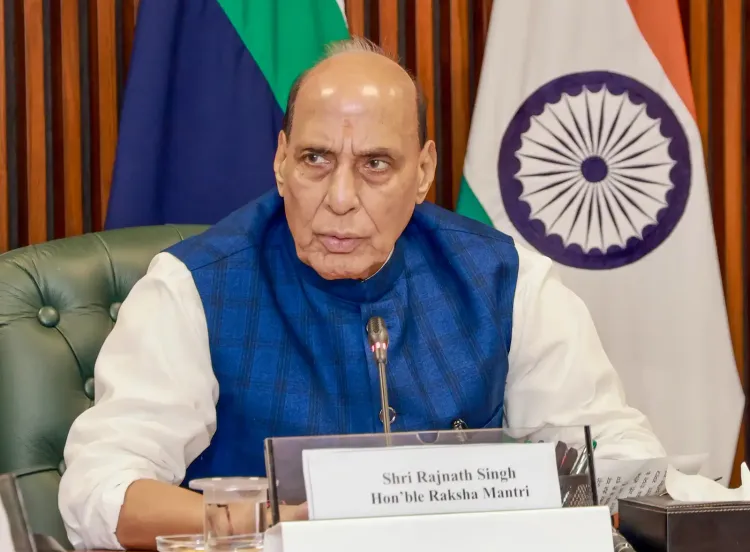
Synopsis
Defence Minister Rajnath Singh heads to Tokyo on 18 November for the fourth India-Japan 2+2 Ministerial Dialogue — his third meeting with Japanese counterpart Shinjiro Koizumi in 2026 alone. With maritime security, joint exercises, and defence co-production all on the table, the visit signals that the India-Japan strategic partnership is moving well beyond symbolism into operational and industrial depth.
Key Takeaways
Defence Minister Rajnath Singh will visit Japan from 18 to 19 November 2026 for the fourth India-Japan 2+2 Ministerial Dialogue in Tokyo.
India will be represented by Rajnath Singh and External Affairs Minister S.
Jaishankar ; Japan by Shinjiro Koizumi and Foreign Minister Toshimitsu Motegi .
Agenda covers defence equipment and technology collaboration , maritime security , joint exercises , and industrial partnerships .
This will be the third meeting between Singh and Koizumi in 2026, following sessions in New Delhi in August and Cebu in October .
Both sides have reaffirmed opposition to unilateral actions threatening freedom of navigation in the Indo-Pacific .
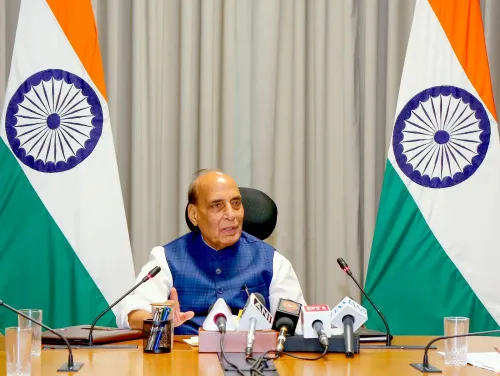
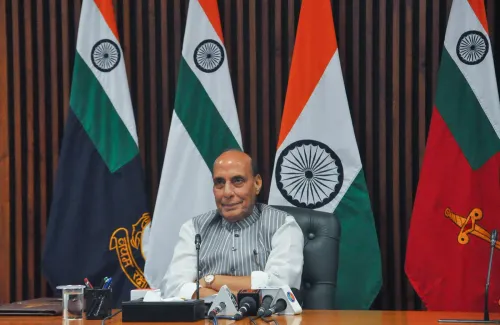
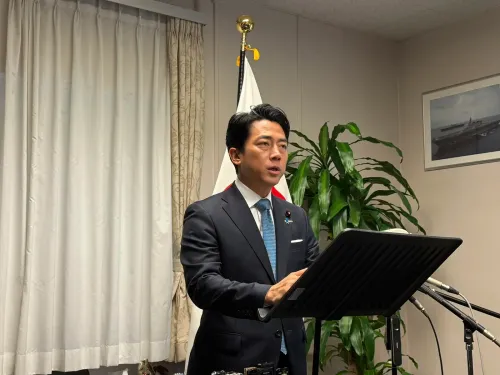
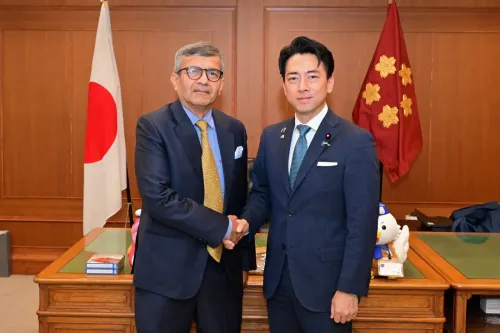
Defence Minister Rajnath Singh will travel to Japan on an official visit from 18 to 19 November 2026 to participate in the fourth edition of the India-Japan Foreign and Defence Ministers' 2+2 Ministerial Dialogue in Tokyo and hold bilateral talks with Japanese Defence Minister Shinjiro Koizumi. The visit marks the third face-to-face meeting between Singh and Koizumi this year alone, underscoring the accelerating tempo of the India-Japan defence relationship.
Who Is at the Table
The 2+2 Ministerial Dialogue will be co-chaired by Rajnath Singh and External Affairs Minister S. Jaishankar on the Indian side, alongside Japan's Shinjiro Koizumi and Foreign Minister Toshimitsu Motegi. The format — bringing together defence and foreign ministers of both nations — signals a deliberate effort to synchronise strategic, diplomatic, and military tracks in a single high-level forum.
Key Agenda Items
According to a statement by India's Ministry of Defence, the two sides will review the full spectrum of bilateral strategic and defence cooperation, exchange assessments on regional and global developments, and reaffirm their shared commitment to a free, open, inclusive, and rule-based Indo-Pacific. Specific priorities on the table include advancing defence equipment and technology collaboration, enhancing maritime security cooperation, expanding the scale and complexity of joint military exercises across all three services, and deepening industrial defence partnerships.
Building on Earlier Momentum
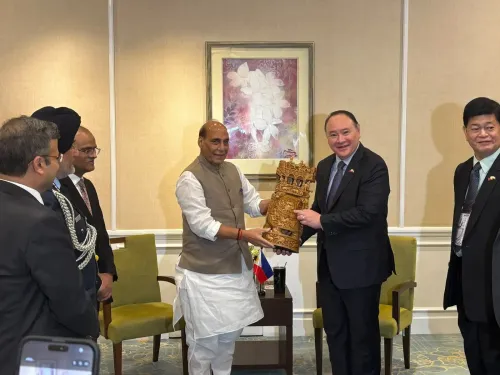
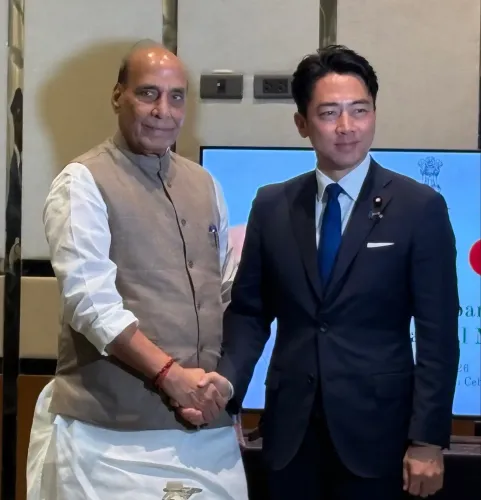
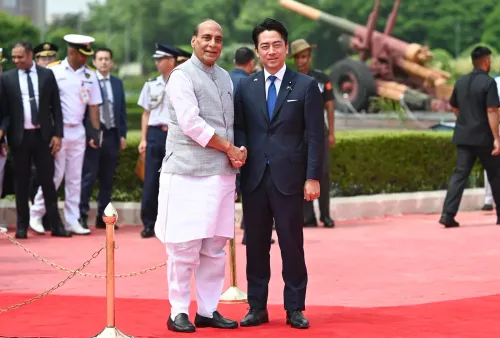
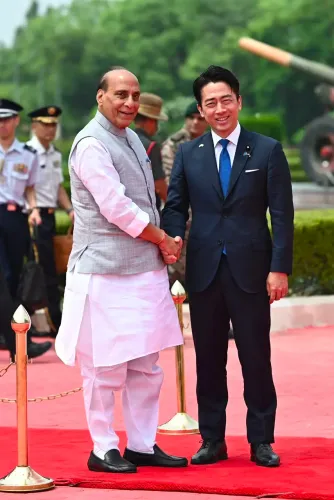
The Tokyo dialogue builds directly on two earlier high-level engagements in 2026. In August, Koizumi visited New Delhi, where both ministers welcomed the steady strengthening of the Japan-India Special Strategic and Global Partnership — a framework described as a pillar of peace, stability, and prosperity in the Indo-Pacific. Most recently, on 28 October, Singh and Koizumi met on the sidelines of the 13th ASEAN Defence Ministers' Meeting-Plus (ADMM-Plus) in Cebu, Philippines, where they reviewed ongoing bilateral defence cooperation and explored new avenues for collaboration.
Following that Cebu meeting, Singh wrote on X: 'Happy to meet with the Minister of Defence of Japan, Mr. Koizumi Shinjiro, on the sidelines of the 13th ADMM-Plus in Cebu, Philippines. Had productive discussions on reviewing our ongoing bilateral defence cooperation and exploring new avenues to further strengthen the India-Japan Special Strategic and Global Partnership. Our shared commitment remains vital for a free, open, and peaceful Indo-Pacific region.'
Strategic Significance
The Ministry of Defence described the relationship as rooted in 'shared democratic values, mutual trust and converging strategic interests,' adding that the visit aims to 'chart the roadmap for enhanced operational and industrial synergy between the two countries.' This comes amid heightened global tensions and growing pressure on the rules-based order in the Indo-Pacific, with both India and Japan having expressed strong opposition to any unilateral actions that impede freedom of navigation and overflight, or any attempts to change the regional status quo by force or coercion.
The fourth edition of the 2+2 dialogue is widely seen as a marker of how far India-Japan defence ties have progressed since the format was first launched — a relationship that now spans joint exercises, co-development prospects, and high-level strategic exchanges at an unprecedented pace. What emerges from Tokyo is expected to shape the bilateral defence agenda well into 2027.
Point of View
Or remains aspirational framing. India's track record on defence co-production with partners — including Japan — has historically lagged behind the ambition of joint statements. The Tokyo dialogue's real test will be whether it produces binding timelines on defence equipment collaboration, not just reaffirmations of a free and open Indo-Pacific.
NationPress
17 Nov 2026
Frequently Asked Questions
What is the India-Japan 2+2 Ministerial Dialogue?
The India-Japan 2+2 Ministerial Dialogue is a high-level forum that brings together the defence and foreign ministers of both countries to coordinate strategic, diplomatic, and military cooperation. The November 2026 meeting in Tokyo is the fourth edition of the dialogue.
When and where is Rajnath Singh's Japan visit?
Rajnath Singh is visiting Japan from 18 to 19 November 2026, with the 2+2 Ministerial Dialogue scheduled to be held in Tokyo. It is an official bilateral visit coordinated by India's Ministry of Defence.
Who will participate in the 2+2 Dialogue from both sides?
India will be represented by Defence Minister Rajnath Singh and External Affairs Minister S. Jaishankar. Japan's delegation will be co-led by Defence Minister Shinjiro Koizumi and Foreign Minister Toshimitsu Motegi.
What are the key topics on the agenda for the Tokyo talks?
The dialogue will cover defence equipment and technology collaboration, maritime security, the scale and complexity of joint military exercises across all three services, and deepening industrial defence partnerships. Both sides will also exchange views on regional and global security developments.
How many times have Rajnath Singh and Shinjiro Koizumi met in 2026?
The Tokyo visit will mark their third meeting in 2026. Earlier sessions took place in New Delhi in August and on the sidelines of the 13th ADMM-Plus meeting in Cebu, Philippines, on 28 October 2026.