CM Mohan Yadav unveils Asia's largest pumped hydro plan at Gandhisagar
Synopsis
Madhya Pradesh CM Dr. Mohan Yadav announced a ₹11,474 crore, ~2,000 MW pumped hydro storage project at Gandhisagar during a Destination Cabinet meeting on 17 November 2026, billing it as Asia's largest such facility and a driver of energy self-reliance and regional jobs.
Key Takeaways
Mohan Yadav announced the project at a 'Destination Cabinet' meeting held at Gandhisagar on 17 November 2026 .
The pumped hydro storage facility will have a capacity of approximately 2,000 megawatts at a projected cost of ₹11,474 crore .
The government claims it will be Asia's largest pumped hydro storage project.
Gandhisagar sits on the Chambal River in Mandsaur district , Madhya Pradesh, with the original dam dating to 1960 .
The project is tied to three goals: energy self-reliance , employment generation, and regional development in the Mandsaur area.
Timelines, land acquisition, and environmental clearances are the key next steps to watch.
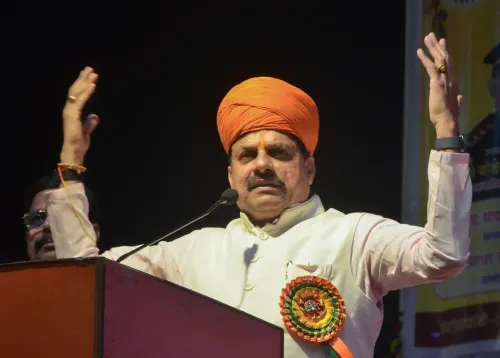
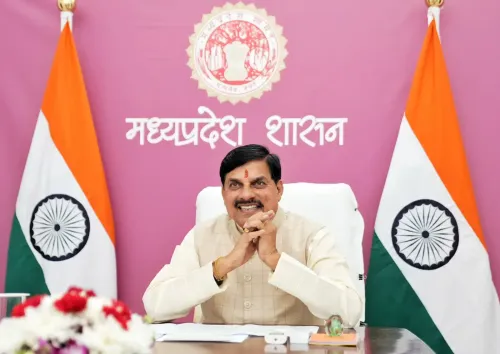
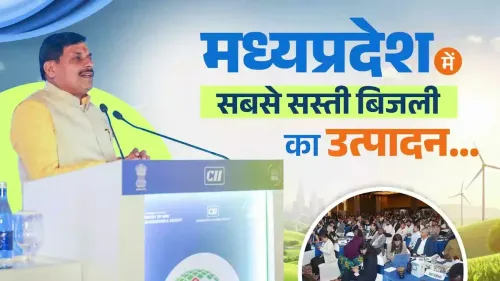
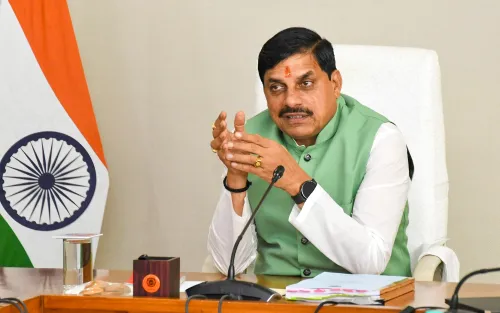
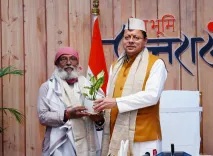
A ₹11,474 crore energy bet is about to reshape Madhya Pradesh's power landscape — and Madhya Pradesh Chief Minister Dr. Mohan Yadav wants the world to know its scale. At a 'Destination Cabinet' meeting held at Gandhisagar on 17 November 2026, the Chief Minister announced plans for a pumped hydro storage project of approximately 2,000 megawatts capacity — a facility he described as the largest of its kind not just in India, but in all of Asia.
Gandhisagar's new chapter on the Chambal
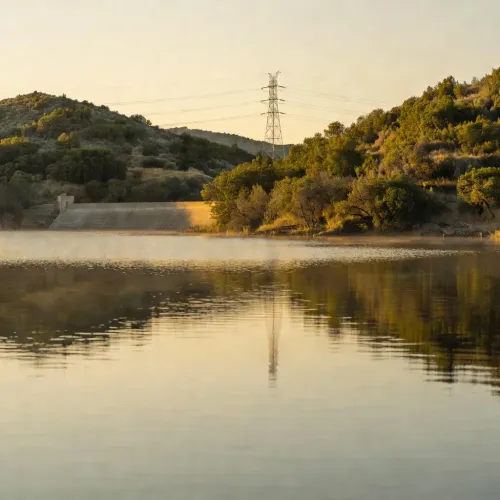
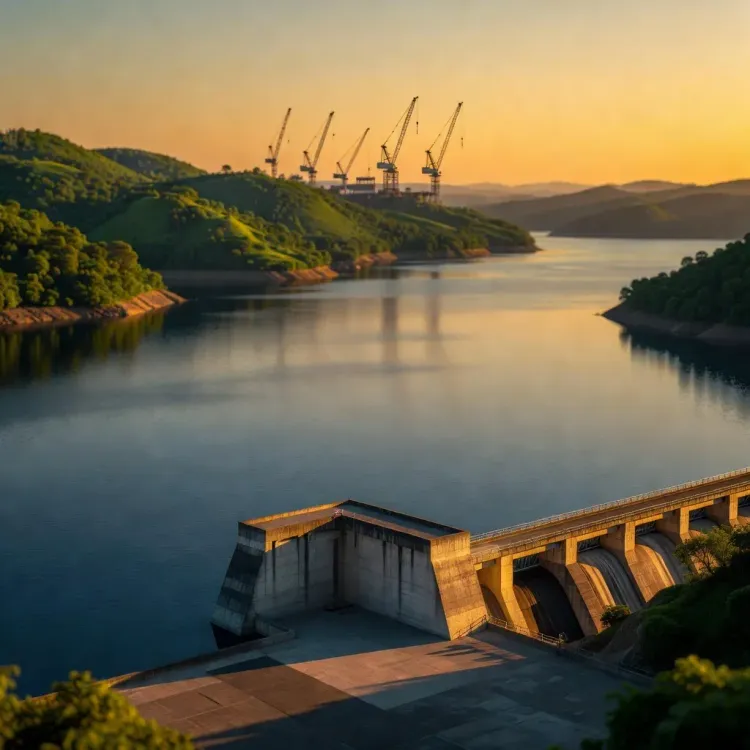
Gandhisagar, the storied reservoir on the Chambal River in Mandsaur district, has anchored the region's water and power story since the original dam was completed in 1960 as part of the Chambal Valley Project. More than six decades on, the site is being repositioned — from a legacy irrigation and hydropower asset into a centrepiece of next-generation grid-scale energy storage. CM Yadav, posting in Hindi on X, said the Destination Cabinet meeting would give the region 'a new identity and a new direction' by unlocking its 'immense development potential.'
The core logic is straightforward but consequential: pumped hydro storage works by pumping water uphill when electricity is cheap or surplus, then releasing it through turbines when demand peaks. It is, in effect, a giant rechargeable battery carved into geography — and at ~2,000 MW, the Gandhisagar project would dwarf most comparable facilities on the continent.
Why India is racing toward pumped storage right now
Indian states have been accelerating pumped hydro development as the national grid absorbs more solar and wind power — both of which generate electricity in bursts, not on demand. Storage capacity is the missing link. Madhya Pradesh has historically used Chambal basin resources for both energy and agriculture, and this project extends that tradition into the renewables era. The government says the investment will also drive employment generation and regional development in the Mandsaur area, though specific job figures were not announced.
The 'Destination Cabinet' format itself signals intent: holding a full cabinet meeting at a project site is a political and administrative statement — it ties ministers physically and symbolically to the region's ambitions, and typically accelerates inter-departmental coordination on clearances and timelines.
What the ₹11,474 crore commitment means for the state
At ₹11,474 crore, this is a headline-scale infrastructure commitment. The project is framed around three pillars: energy self-reliance (ऊर्जा आत्मनिर्भरता), job creation, and regional uplift. Whether the project's claim as Asia's largest pumped hydro facility is formally ratified will depend on independent technical benchmarking as detailed plans emerge — but the ambition sets the political stakes clearly. Project timelines, land acquisition details, and environmental clearances are the next critical milestones to watch.
For a state whose energy infrastructure dates back to the Nehru era at Gandhisagar, the message from Tuesday's cabinet meeting is unambiguous: the Chambal is being asked to power Madhya Pradesh's future, not just its past.
Point of View
CM Yadav is deploying a superlative that travels well beyond state borders — useful both for attracting private investment and signalling BJP-governed state ambition on the national stage. The 'Destination Cabinet' format is a deliberate choreography, designed to cut through bureaucratic inertia and generate political momentum simultaneously. The real test will be how quickly land, forest, and regulatory clearances follow the announcement.
NationPress
17 Nov 2026
Frequently Asked Questions
What is the Gandhisagar pumped hydro storage project?
It is a planned ~2,000 MW pumped hydro storage facility at the Gandhisagar reservoir on the Chambal River in Mandsaur district, Madhya Pradesh, with an estimated investment of ₹11,474 crore. The Madhya Pradesh government claims it will be Asia's largest pumped hydro storage project.
What is a pumped hydro storage project and how does it work?
A pumped hydro storage project stores energy by pumping water to a higher reservoir when power supply exceeds demand, then releasing it through turbines to generate electricity when demand peaks. It acts as a large-scale rechargeable battery and helps stabilise the electrical grid.
Where is Gandhisagar and why is it significant?
Gandhisagar is a major reservoir on the Chambal River in Mandsaur district, Madhya Pradesh. The original dam was completed in 1960 as part of the Chambal Valley Project for irrigation and power generation, and it now forms the site for this new large-scale energy storage initiative.
What is a Destination Cabinet meeting in Madhya Pradesh?
A Destination Cabinet meeting is a full state cabinet meeting held at a specific project site or region rather than in the capital, used to highlight development priorities, accelerate inter-departmental decisions, and bring political focus to a particular area.
What are the next steps for the Gandhisagar pumped hydro project?
The key milestones to watch include the announcement of project timelines, land acquisition details, and environmental and forest clearances, all of which are necessary before construction can begin on the ₹11,474 crore project.