Chhattisgarh CM Sai: 13.96 Lakh Women Turn Lakhpati Didi
Synopsis
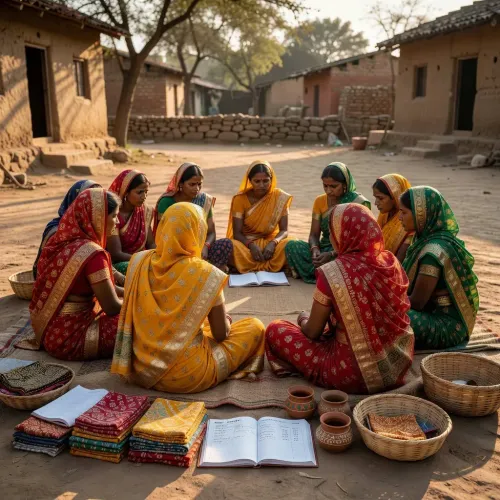
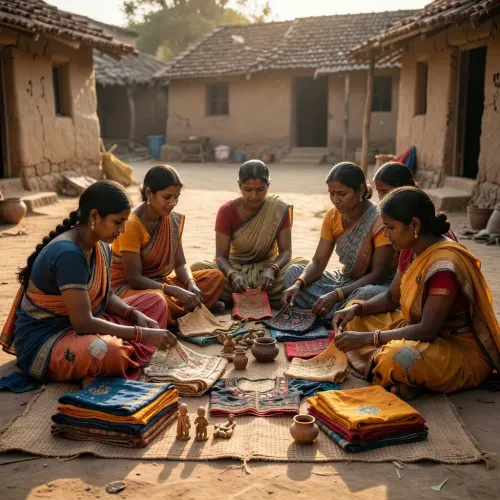
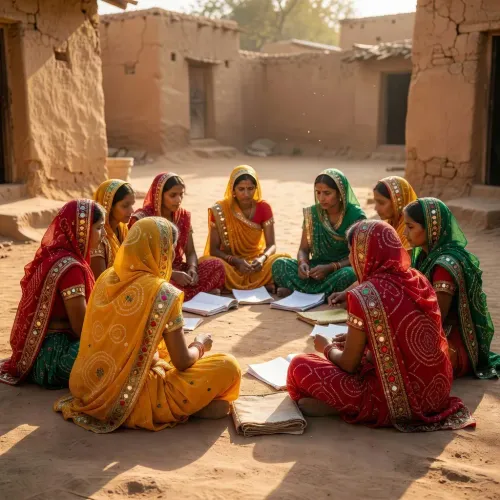
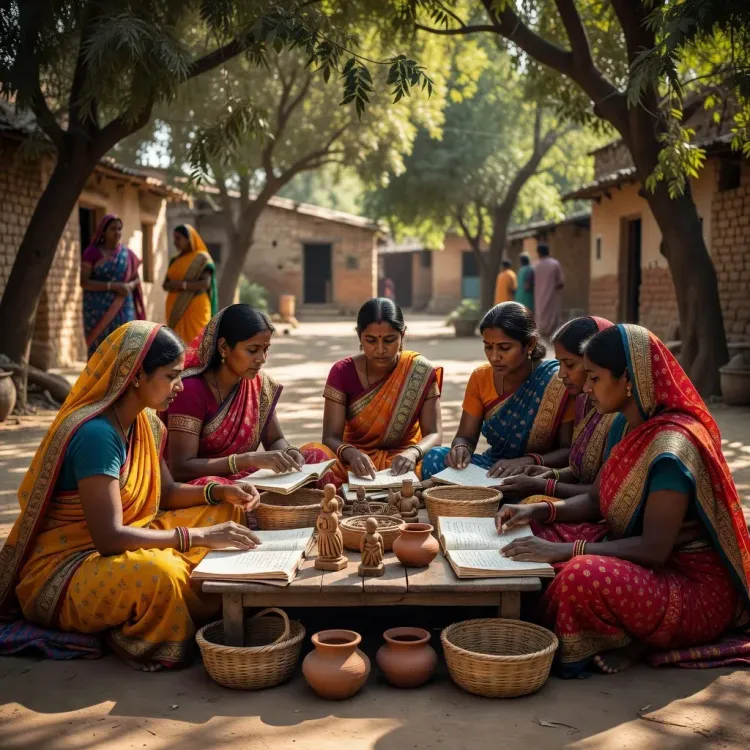
Chhattisgarh's CMO reports that 13.96 lakh rural women have become Lakhpati Didis under the Bihan Yojana — achieving 179% of the state's target — positioning the state as a front-runner in India's nationwide women-led development drive under DAY-NRLM.
Key Takeaways
13.96 lakh rural women in Chhattisgarh have crossed the Rs 1 lakh annual income threshold, earning the 'Lakhpati Didi' designation.
The state achieved 179 percent of its officially set Lakhpati Didi target — far exceeding projections.
The achievement is attributed to the Bihan Yojana , Chhattisgarh's SHG-linked livelihood programme operating under the national DAY-NRLM framework.
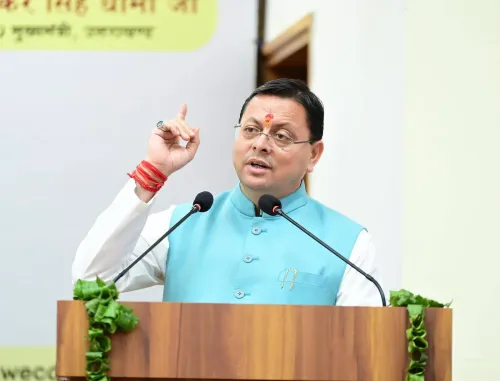
Chief Minister Vishnu Dev Sai 's administration has positioned this milestone as a core proof-point of its 'good governance' mandate.
The Lakhpati Didi initiative is a nationwide target introduced under the Aatmanirbhar Bharat vision, with multiple states reporting parallel progress.
A state government target wasn't just met — it was shattered. Chhattisgarh's Bihan Yojana has propelled 13.96 lakh rural women into the 'Lakhpati Didi' bracket, achieving 179 percent of the state's set goal, the Chief Minister's Office of Chhattisgarh announced on Tuesday, November 17, 2026.
13.96 Lakh Women, 179% of Target — the Numbers Behind the Headline
The post, shared by the CMO, declares: 'pradeś kī 13.96 lākh mahilāẽ lakhpatī dīdī bankar ātmanirbharatā kī naī miṡāl peś kar rahī haiṃ' — 'the state's 13.96 lakh women, having become Lakhpati Didis, are setting a new example of self-reliance.' Achieving 179 percent of a formally set numerical target is not a rounding-up story; it signals that the pipeline of eligible, trained women in self-help groups ran considerably deeper than planners had estimated.
The credit is attributed to what the CMO calls the 'good governance government' (suśāsan sarkār) led by Chief Minister Vishnu Dev Sai. Sai, a BJP leader who heads the state government, has positioned women-centric development as a flagship plank of his administration.
What the Bihan Yojana Actually Does
The Bihan Yojana is Chhattisgarh's state-level programme that organises rural women into self-help groups, connects them to credit, training, and livelihood opportunities, and aims to push household income above the Rs 1 lakh per year threshold — the definition of a 'Lakhpati Didi.' It operates within the broader national architecture of the Deendayal Antyodaya Yojana–National Rural Livelihoods Mission (DAY-NRLM), which has been the backbone of SHG-linked poverty alleviation since 2011.
The 'Lakhpati Didi' label itself became a national rallying point in recent years, with Prime Minister Narendra Modi repeatedly invoking it as a symbol of the Aatmanirbhar Bharat vision. States across India have been competing — and reporting — on how rapidly they can push women past that income threshold. Chhattisgarh's numbers, if borne out in independent assessments, would rank it among the stronger performers in this nationwide race.
Why a Mineral-Rich State With Deep Rural Poverty Is the Right Proving Ground
Chhattisgarh is a central Indian state whose economy is split between mineral wealth and an overwhelmingly rural, often tribal, population. That structural gap — rich ground, poor household — has made it a critical testing site for bottom-up livelihood schemes for decades. The CMO frames the achievement with a pointed philosophical line: 'sashakt mahilāẽ hī sashakt parivār, sashakt samāj aur samṛddh Chhattisgarh kā ādhār haiṃ' — 'empowered women are the foundation of an empowered family, empowered society, and a prosperous Chhattisgarh.'
Rhetoric aside, the structural logic holds: when rural women in SHGs cross the lakh-income mark, the multiplier effect on household nutrition, children's education, and local consumption is well-documented across South Asian development literature.
The 179% overachievement sets a high benchmark — and a high accountability bar — for the next state-level review of Bihan coverage and DAY-NRLM national reporting cycles. Watch whether independent audits corroborate the scale of gains that today's announcement claims.
Point of View
And independent household surveys in tribal Chhattisgarh districts will ultimately test whether these income gains are sustained or one-off. If the numbers hold, they would represent one of the more striking subnational performances in India's women-led development framework.
NationPress
17 Nov 2026
Frequently Asked Questions
What is the Lakhpati Didi scheme in Chhattisgarh?
Lakhpati Didi is a target under the national DAY-NRLM framework to enable women in self-help groups to earn at least Rs 1 lakh annually. In Chhattisgarh, it is implemented through the Bihan Yojana, which organises rural women into SHGs and connects them to credit and livelihood opportunities.
How many women became Lakhpati Didi in Chhattisgarh?
According to the Chief Minister's Office, 13.96 lakh rural women in Chhattisgarh have achieved Lakhpati Didi status, reaching 179 percent of the state's set target.
What is the Bihan Yojana?
Bihan Yojana is Chhattisgarh's state-level rural livelihoods programme that works under the national DAY-NRLM architecture. It forms self-help groups among rural women, links them to microcredit and skill training, and aims to lift household incomes above Rs 1 lakh per year.
Who is Vishnu Dev Sai?
Vishnu Dev Sai is the Chief Minister of Chhattisgarh and a BJP leader. His administration has prioritised women-centric development and the Bihan Yojana's expansion as central pillars of its governance agenda.
What is DAY-NRLM and how does it connect to Lakhpati Didi?
The Deendayal Antyodaya Yojana–National Rural Livelihoods Mission (DAY-NRLM), operational since 2011, is the central government's flagship SHG-based poverty alleviation programme. The Lakhpati Didi income target was introduced within this framework to push women past the Rs 1 lakh annual earning threshold.