Sanjivani Group donates ₹51.51 lakh to CM Fadnavis's drought relief fund
Synopsis
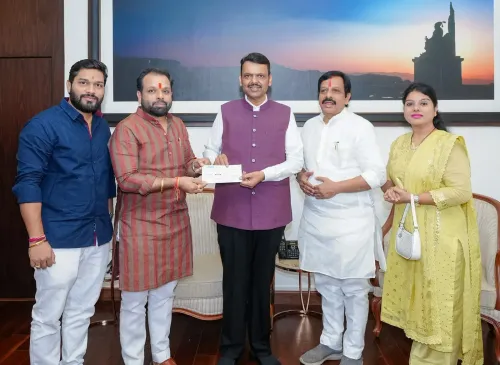
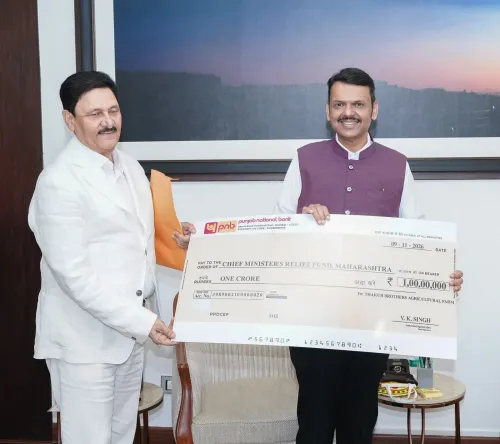
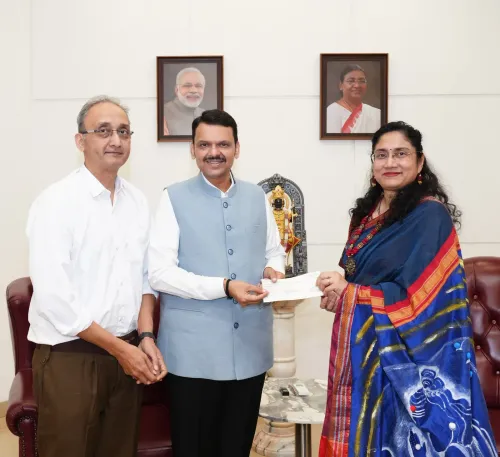
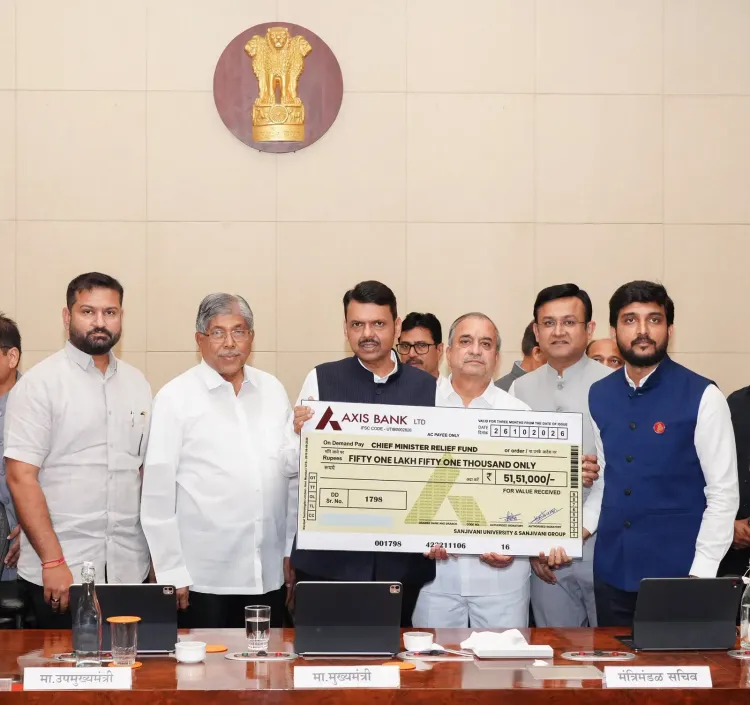
Sanjivani University and Sanjivani Group of Kopargaon, represented by MLA Vivek Kolhe, donated ₹51,51,000 to Chief Minister Devendra Fadnavis's Relief Fund in Mumbai on 17 November 2026 to assist Maharashtra's drought-affected farmers.
Key Takeaways
₹51,51,000 donated to the Chief Minister's Relief Fund for drought-affected farmers in Maharashtra.
The cheque was presented by MLA Vivek Kolhe on behalf of Sanjivani University and Sanjivani Group, Kopargaon .
CM Devendra Fadnavis personally received the donation in Mumbai on 17 November 2026 .
Sanjivani Group is a prominent educational institution network based in Kopargaon, Ahmednagar district .
The CM Relief Fund channels voluntary contributions for immediate assistance during natural calamities such as drought.
Maharashtra's central and western districts face recurrent drought stress, making private contributions a key supplement to state relief.
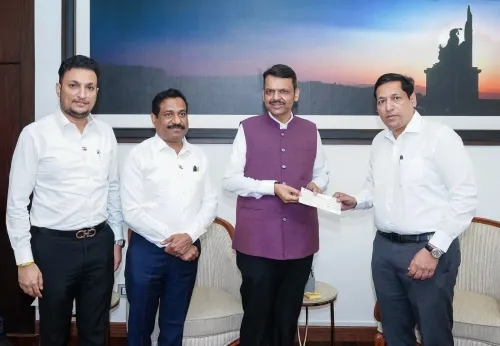
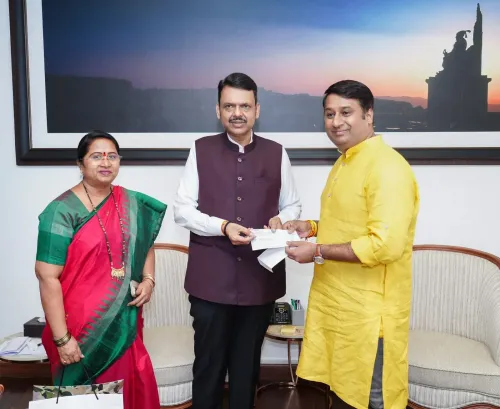
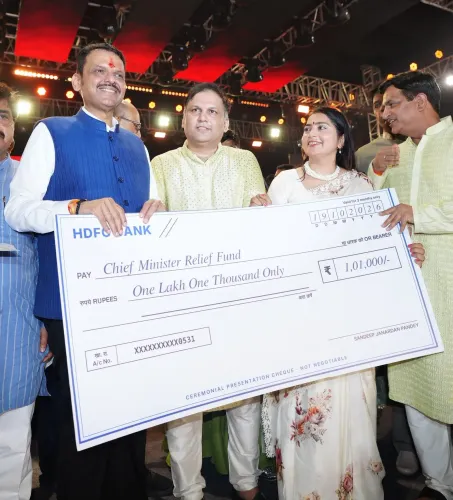
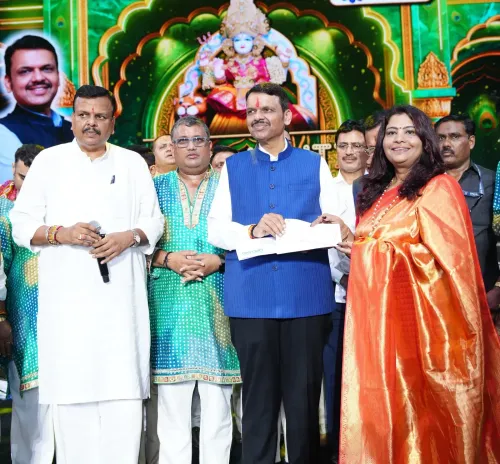
When drought scorches Maharashtra's farmlands, every rupee channelled into relief counts — and on Tuesday, 17 November 2026, a cheque worth ₹51,51,000 made its way into the Chief Minister's Relief Fund in Mumbai, handed over personally to Chief Minister Devendra Fadnavis by MLA Vivek Kolhe on behalf of Sanjivani University and Sanjivani Group, Kopargaon.
A ₹51.51-lakh cheque for Maharashtra's drought-hit farmers
The Chief Minister's Office of Maharashtra announced the donation on X, confirming that MLA Vivek Kolhe formally presented the cheque to CM Fadnavis, who expressed his gratitude in turn. The contribution is specifically earmarked for drought-affected farmers across the state. The sum — ₹51,51,000 — follows the auspicious convention of donating amounts ending in '1', a practice common in Marathi philanthropic tradition.
Sanjivani Group's reach from Kopargaon to state-level relief
Sanjivani Group operates a network of educational institutions, including Sanjivani University, anchored in Kopargaon in Ahmednagar district — a region itself vulnerable to seasonal drought stress in central Maharashtra. The group's decision to route this donation through its local MLA, Vivek Kolhe, reflects a pattern of institutional philanthropy that complements government relief machinery. It is one of the more prominent educational bodies in the Nashik-Ahmednagar belt to publicly contribute to the CM Relief Fund.
Maharashtra's drought cycle and the CM Relief Fund's role
The Chief Minister's Relief Fund serves as a first-response financial channel during natural calamities, channelling voluntary contributions from corporate bodies, institutions, and individuals directly toward immediate farmer assistance. Maharashtra's western and central districts face recurrent drought stress, and successive state governments have used both budgetary allocations and private donations to plug relief gaps between formal crop-failure assessments and actual payouts. Contributions like this one from the Sanjivani Group sit within that established tradition of private bodies stepping in to accelerate aid.
The next pressure point is distribution: which drought-affected talukas receive the funds, and how quickly the state machinery converts the donation into direct relief for farmers on the ground.
Point of View
Routed through a sitting MLA, also reinforces the political-philanthropic nexus that characterises relief fundraising in Maharashtra. For CM Fadnavis, publicising such donations serves a dual purpose — it validates his administration's drought-response credibility and incentivises further private giving. The real test, however, will be whether the funds translate into verifiable, timely relief rather than remaining in the pipeline.
NationPress
17 Nov 2026
Frequently Asked Questions
Who donated to CM Fadnavis's Relief Fund for drought-hit farmers?
MLA Vivek Kolhe presented a cheque of ₹51,51,000 to CM Devendra Fadnavis on behalf of Sanjivani University and Sanjivani Group, Kopargaon, for drought-affected farmers in Maharashtra.
What is the Chief Minister's Relief Fund in Maharashtra?
The Chief Minister's Relief Fund is a state government mechanism that accepts voluntary contributions from institutions and individuals to provide immediate financial assistance during natural calamities such as drought.
Where is Sanjivani Group based?
Sanjivani Group, which runs Sanjivani University among other institutions, is based in Kopargaon in Ahmednagar district, Maharashtra.
How will the ₹51.51 lakh donation be used?
The donation has been made specifically to assist drought-affected farmers in Maharashtra through the Chief Minister's Relief Fund. Distribution to identified drought-hit talukas is expected to follow.