CM Dhami Hails Gaura Devi, Chipko Movement's Women
Synopsis
Uttarakhand CM Pushkar Singh Dhami honoured Gaura Devi and the women of the Chipko movement, calling their 1970s forest-protection struggle from Chamoli an enduring global inspiration for environmental conservation and mountain development.
Key Takeaways
CM Pushkar Singh Dhami posted a tribute to the women of the Chipko movement on 17 November 2026 .
Gaura Devi of Reni village, Chamoli , led women to embrace trees and stop commercial logging in 1974 .
The Chipko movement originated in Chamoli district in 1973 as a grassroots protest against deforestation.
CM Dhami described women's role as indispensable to 'the life and development of the mountains.' Uttarakhand governments have long used the Chipko legacy to frame state identity around Himalayan conservation and women's agency.
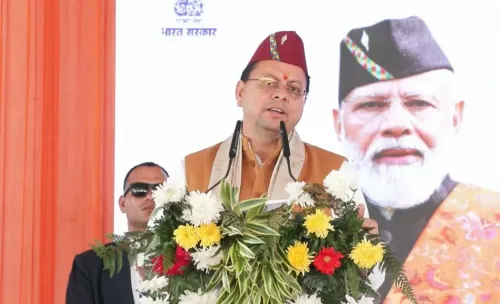
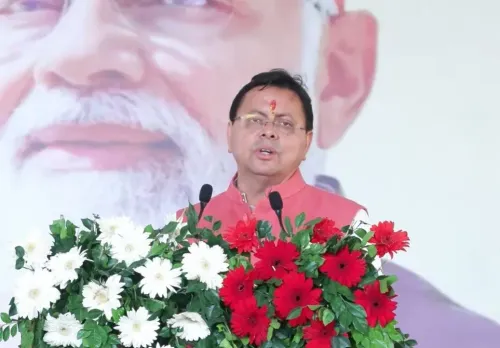
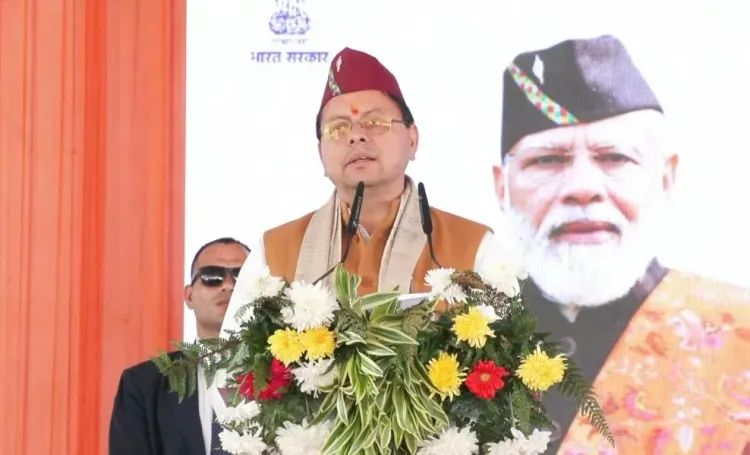
Half a century after hill women of Chamoli wrapped their arms around trees and dared loggers to strike, Uttarakhand Chief Minister Pushkar Singh Dhami invoked that defiance on Tuesday, 17 November 2026 — reminding the country that mountain life and development are simply unimaginable without mātṛśakti (the power of women).
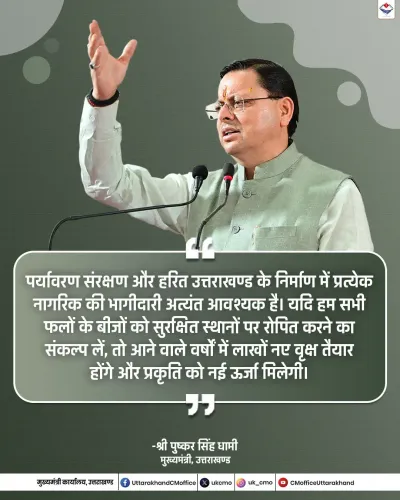
Posting from the Chief Minister's Office account, CM Dhami quoted himself: 'The life and development of the mountains cannot even be imagined without our women. The historic Chipko movement, which began from the soil of Chamoli, gave the entire world a message of environmental conservation. The indomitable courage, struggle, and dedication to nature shown by Gaura Devi and her fellow women is a source of inspiration for all of us even today.'
Gaura Devi and the Reni Forest Stand of 1974
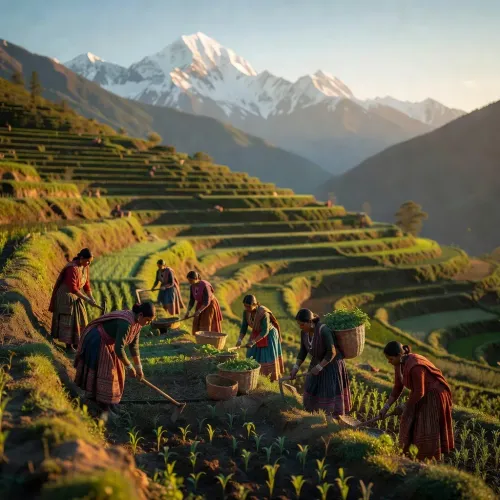
Gaura Devi, a resident of Reni village in Chamoli district, led a group of women in 1974 to physically embrace trees slated for commercial felling — an act of quiet ferocity that became the defining image of the Chipko movement. The movement itself had taken root a year earlier, in 1973, as a grassroots answer to rampant deforestation in the Uttarakhand hills. The women of Reni had no weapons, no permits, no lawyers — only their bodies between the trees and the axes.
The protest stopped the logging. More than that, it seeded a global vocabulary for ecological resistance, influencing conservation discourse far beyond the Himalayas. Gaura Devi never sought the international stage, yet the stage came to her — her story is now standard reading in environmental movements worldwide.
Why Uttarakhand Keeps Returning to This Story
Invoking Chipko is not mere nostalgia for the Dhami government — it is a deliberate act of state identity-building. Uttarakhand, carved out as a hill state in 2000, has consistently framed its development narrative around Himalayan ecology and community stewardship. The CM's reference to mātṛśakti specifically ties women's historical agency in Chipko to contemporary conversations about their role in eco-development committees and forest-rights governance.
That linkage matters. Uttarakhand's forested landscape — it holds some of India's densest Himalayan forest cover — is under constant pressure from infrastructure expansion, climate-driven erosion, and changing land-use patterns. Each invocation of Chipko by the state's highest office is also, implicitly, a signal about where the government wishes to position itself on those pressures.
A Tribute That Points Forward
CM Dhami's statement does not announce a new scheme or policy. Its power lies in the direction of its gaze — backward to Gaura Devi, forward to the women of the hills who continue to manage forests, water sources, and biodiversity in ways that formal policy often struggles to replicate. The tribute is a reminder that the most durable conservation institutions in the Himalayas were built not in Dehradun or Delhi, but in village forests by women who had everything to lose.
Fifty-plus years after Reni, the trees are still standing. So is the story.
Point of View
The Uttarakhand government aligns itself with a globally respected ecological struggle while reinforcing its own narrative of women-led, community-driven mountain development. The timing, unattached to any stated occasion, suggests the statement is part of a broader ongoing effort to build cultural legitimacy around the state's forest and environment policies. At a moment when Himalayan states face intensifying scrutiny over infrastructure projects and forest clearances, invoking Gaura Devi also functions as a soft signal about the government's conservation commitments. Whether policy follows the rhetoric remains the sharper question.
NationPress
17 Nov 2026
Frequently Asked Questions
Who was Gaura Devi and what was her role in the Chipko movement?
Gaura Devi was a woman from Reni village in Chamoli, Uttarakhand, who in 1974 led a group of local women to hug trees and physically prevent commercial loggers from felling them — an act that became the defining image of the Chipko movement.
Where and when did the Chipko movement start?
The Chipko movement began in Chamoli district , Uttarakhand, in 1973 as a non-violent grassroots protest by hill communities against deforestation and commercial logging.
What did CM Pushkar Singh Dhami say about women and Uttarakhand's development?
CM Pushkar Singh Dhami said the life and development of the mountains 'cannot even be imagined' without women, and honoured the courage and nature-devotion of Gaura Devi and her fellow Chipko activists as a timeless inspiration.
Why is the Chipko movement significant globally?
The Chipko movement is globally significant because it pioneered non-violent, community-led forest conservation in the 1970s and influenced environmental movements and policy discourse worldwide, long before climate action became a mainstream concern.
What is Uttarakhand government's stance on forest conservation and women's participation?
The Uttarakhand government has consistently used the Chipko legacy to frame its identity around Himalayan ecology and women's agency, often linking historical movements like Chipko to current narratives of sustainable mountain development and community forest governance.