Are Pakistani Human Rights Lawyers Facing Trial as a Tool of Law Weaponization?
Click to start listening
Synopsis
The Baloch Yakjehti Committee condemns the trial of Pakistani lawyers Imaan Mazari and Hadi Chattha, alleging a misuse of legal systems to suppress dissent. This situation raises serious concerns over the safety of legal professionals in Pakistan and highlights the troubling trend of using law as a tool of oppression.
Key Takeaways
- Legal Systems Misused: The trial exemplifies the misuse of legal frameworks against human rights defenders.
- Importance of Advocacy: Advocates like Imaan Mazari and Hadi Chattha are crucial in promoting justice and challenging abuses.
- Call for Intervention: Human rights organizations urge immediate action to protect defenders from legal persecution.
- Implications for Legal Community: The trial creates a chilling effect on the independence of the legal profession in Pakistan.
- Systematic Oppression: Legal actions against critics signify a broader pattern of systemic oppression within the country.
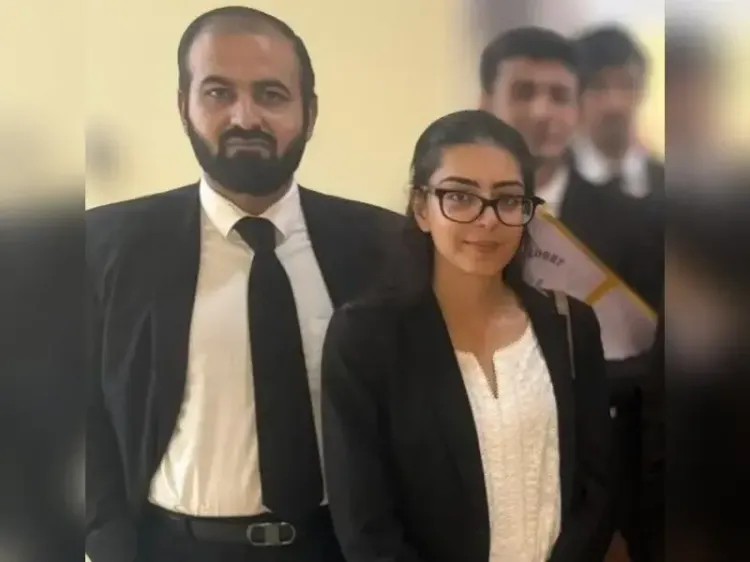
Quetta, Dec 6 (NationPress) The Baloch Yakjehti Committee (BYC), a leading human rights organization, has decried the trial of Pakistani attorneys Imaan Zainab Mazari-Hazir and Hadi Ali Chattha. They claim that these lawyers are being unfairly targeted for actions they did not commit, highlighting that the legal proceedings represent another example of Pakistani authorities “weaponizing the law” against innocent individuals.
The rights body argues that legal mechanisms are being utilized “not to uphold justice, but to silence those who dare to speak the truth”.
Both human rights advocate Imaan Mazari and her spouse, Advocate Hadi Ali Chattha, were reportedly indicted by a court in Islamabad in October over alleged contentious social media posts.
“Advocate Imaan Mazari and Advocate Hadi Ali have consistently dedicated themselves to human rights protection. Their advocacy includes seeking justice for victims of blasphemy laws, amplifying the concerns of the forcibly disappeared, and challenging unconstitutional practices in military courts, as well as broader efforts to undermine the rule of law,” the BYC stated.
“Individuals who critique or challenge the existing system increasingly face legal persecution,” they added.
The BYC also mentioned that its leaders have been detained for nine months without justification, while Pashtun Tahafuz Movement leader Ali Wazir has been imprisoned for two years for an uncommitted offense.
“It is crucial for human rights organizations to intervene promptly to address the ongoing violations in Pakistan and to prevent the continued misuse of legal frameworks as instruments of intimidation and coercion against defenders of human rights,” the BYC asserted.
Earlier this week, the advocacy group Women in Law Initiative (WIL) Pakistan criticized the trial being conducted under the country's Prevention of Electronic Crimes Act 2016 (PECA), describing it as “unlawful and unjust” against Imaan Mazari and Hadi Ali Chattha.
“The unlawful treatment of Advocates Imaan and Hadi poses severe implications, not just for them personally but for the overall independence and safety of the legal profession in Pakistan. Such actions undermine our constitutional order, conveying a perilous message – that those who defend rights, uphold constitutional principles, or challenge abuses of power can themselves become targets and face unlawful proceedings,” the WIL stated.
Point of View
It is crucial to acknowledge the ongoing struggles faced by human rights defenders in Pakistan. The trial of Imaan Mazari and Hadi Ali Chattha highlights a worrying trend where legal instruments become tools of oppression. Upholding justice must remain a priority, and we stand by those who challenge unlawful practices.
NationPress
06/12/2025
Frequently Asked Questions
What charges are Imaan Mazari and Hadi Chattha facing?
Imaan Mazari and Hadi Chattha have been indicted in a case related to controversial social media posts.
What is the stance of Baloch Yakjehti Committee on this trial?
The BYC has condemned the trial, alleging it is a case of law weaponization aimed at silencing dissent.
How has the legal community reacted to this trial?
The Women in Law Initiative has criticized the trial as unlawful and unjust, highlighting its implications for legal independence in Pakistan.
What are the broader implications of this case?
This case reflects a troubling trend of legal persecution against those who advocate for human rights and challenge the status quo.
What has been the response from human rights organizations?
Human rights organizations are calling for urgent intervention to address ongoing violations and prevent the misuse of legal mechanisms.