Bangladesh custodial death: Rights group demands probe into Chhatra League activist's killing
Synopsis
A Paris-based rights group is demanding an international-supervised judicial probe after a 28-year-old Chhatra League activist allegedly died under torture in Bangladeshi police custody — with authorities filing a narcotics case against him only after his death, a move his mother flatly denies.
Key Takeaways
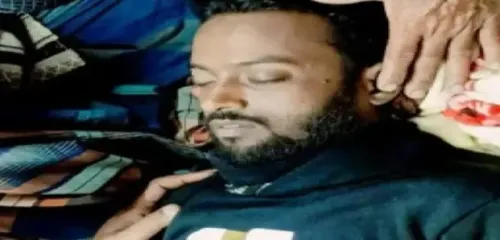
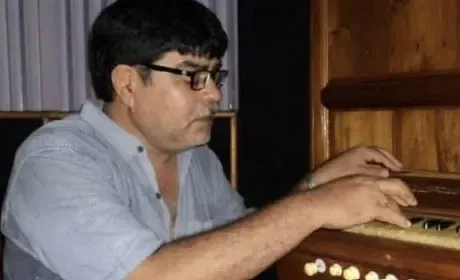
Mirza Ishtiaq Ahmed Pranto , 28 , a Chhatra League activist, reportedly died on 21 June while undergoing treatment at Faridpur Medical College Hospital after being detained by Bangladesh's Detective Branch .
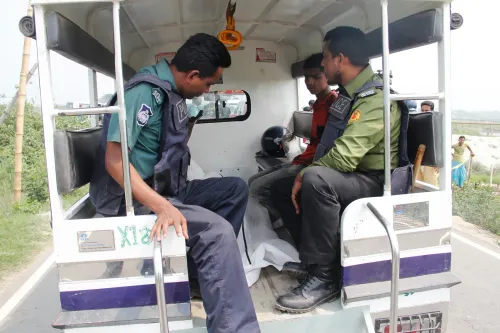
A team of 12–13 DB officers allegedly detained him from his home in Madhukhali Municipality, Faridpur on 20 June , reportedly beating him in front of his mother.
Authorities filed a Narcotics Control Act case against Ishtiaq after his death, claiming recovery of 100 grams of cannabis — an allegation his mother has categorically denied.
Justice Makers Bangladesh in France (JMBF) has demanded a judicial investigation under direct international human rights supervision.
JMBF president Shahanur Islam alleged the BNP government has continued a pattern of systematic arrests, torture, and custodial deaths targeting Awami League activists.
A Paris-based international human rights organisation has called for a judicial investigation into the alleged torture and custodial death of Mirza Ishtiaq Ahmed Pranto, a 28-year-old activist of the Awami League's student wing, Chhatra League, who reportedly died on 21 June while receiving treatment at Faridpur Medical College Hospital in Bangladesh. The case has drawn sharp condemnation from Justice Makers Bangladesh in France (JMBF), which described the incident as a serious human rights violation committed in state custody.
What Allegedly Happened
According to JMBF, citing media reports and sources, a team of 12–13 members of the Detective Branch (DB) of the Bangladesh Police detained Ishtiaq from his residence in the Paschim Gondardiya area of Madhukhali Municipality on the evening of 20 June. He was allegedly beaten in front of his mother at the time of arrest, and when she attempted to intervene, she was reportedly mistreated as well.
DB officers allegedly ransacked the family home under the pretext of a search before taking Ishtiaq to an undisclosed location, according to the rights body. He died the following day, reportedly while undergoing treatment at Faridpur Medical College Hospital.
The Narcotics Case Allegation
Following Ishtiaq's death, the Detective Branch reportedly filed a case against him under the Narcotics Control Act, claiming that 100 grams of cannabis had been recovered from his possession. His mother categorically rejected the allegation, stating that DB officers searched the entire house but did not recover any narcotics or illegal items. The post-mortem filing of such cases against deceased detainees is a pattern the JMBF says it has observed repeatedly in Bangladesh.
Rights Group's Demands
JMBF declared that the incident, if substantiated, would constitute 'a serious abuse of power and a blatant disregard for the rule of law.' The organisation demanded a judicial investigation conducted under the direct observation of international human rights bodies, and urged that those found responsible be prosecuted through a 'prompt, transparent, and exemplary legal process' in accordance with Bangladeshi law.
The group further asserted that Bangladeshi authorities bear full responsibility for the life, safety, and well-being of every individual held in their custody, warning that failure to ensure an independent investigation would 'further entrench the culture of impunity.'
Broader Pattern of Concern
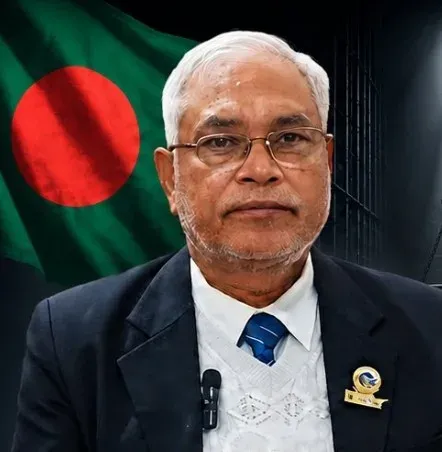
Shahanur Islam, founder and president of JMBF, alleged that the ruling Bangladesh Nationalist Party (BNP) government has continued a pattern of 'systematic arbitrary arrests, torture, and custodial deaths' targeting Awami League members and activists — a trend he said was established during the previous Muhammad Yunus-led interim government. 'This trend is deeply alarming. Any death occurring in state custody constitutes a grave violation of human rights,' Islam said. 'Such incidents seriously undermine public confidence in the rule of law and the accountability of law enforcement agencies. These practices must end immediately.'
This comes amid a broader pattern of allegations against Bangladeshi law enforcement, with JMBF noting repeated reports of custodial torture, arbitrary detention, extrajudicial killings, and the filing of criminal cases against victims following their death or abuse in custody. The case is being closely watched by diaspora rights groups and could draw wider international scrutiny if a credible investigation is not initiated.
Point of View
But the institutional reflex: ransacking a home, detaining a person to an undisclosed location, and then filing charges only after death. International pressure through diaspora organisations like JMBF carries moral weight but limited enforcement power; the real test is whether Bangladesh's judiciary can act independently of the government that controls the police. Until a credible, internationally observed investigation is initiated, the culture of impunity JMBF warns about will remain the operative reality.
NationPress
24 Jun 2026
Frequently Asked Questions
Who was Mirza Ishtiaq Ahmed Pranto and how did he die?
Mirza Ishtiaq Ahmed Pranto was a 28-year-old activist of Chhatra League, the student wing of Bangladesh's Awami League. He reportedly died on 21 June while undergoing treatment at Faridpur Medical College Hospital, a day after being detained by the Detective Branch of Bangladesh Police from his home in Madhukhali Municipality.
What has the rights group JMBF demanded?
Justice Makers Bangladesh in France (JMBF) has demanded a judicial investigation into the custodial death, conducted under the direct observation of international human rights organisations. It has also called for the prompt, transparent prosecution of those found responsible under Bangladeshi law.
Why is the narcotics case against Ishtiaq being questioned?
Bangladeshi authorities filed a Narcotics Control Act case against Ishtiaq after his death, claiming 100 grams of cannabis were recovered from him. His mother has categorically denied this, stating that DB officers searched the entire house but found no narcotics or illegal items. JMBF has flagged the post-mortem filing of such cases as a recurring pattern in Bangladesh.
What broader pattern does JMBF allege in Bangladesh?
JMBF alleges a systematic pattern of arbitrary arrests, custodial torture, extrajudicial killings, and the filing of criminal cases against victims after their death or abuse in custody — targeting Awami League members and activists. Its president, Shahanur Islam, alleged this pattern has continued under the current BNP government and was also present during the previous Muhammad Yunus-led interim administration.
Where did the detention and death occur?
Mirza Ishtiaq Ahmed Pranto was detained from his residence in the Paschim Gondardiya area of Madhukhali Municipality in Faridpur district, Bangladesh, on the evening of 20 June. He died the following day at Faridpur Medical College Hospital.