Russia summons Moldovan ambassador over diplomatic courier detention
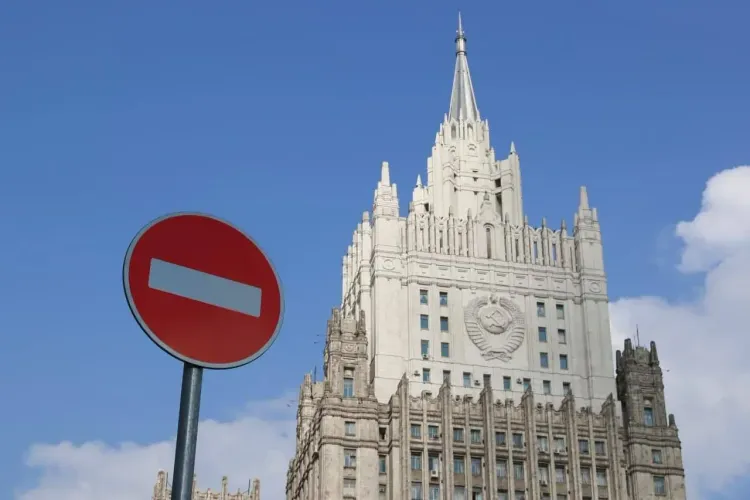
Synopsis
Russia's summoning of Moldova's ambassador over detained diplomatic couriers is more than a protocol dispute — it is the latest pressure point in a relationship that has been fracturing since 2020. With Moldova on an EU accession path and the Kremlin branding it 'unfriendly,' the airport incident could mark a new low in ties, especially as a parallel confrontation with Romania over consulate closures signals Moscow is tightening its diplomatic counter-offensive across Eastern Europe.
Key Takeaways
Russia summoned Moldovan Ambassador Lilian Darii to the Foreign Ministry on 26 June over the detention of Russian diplomatic couriers in Chișinău .
The couriers were detained on 25 June and were reportedly asked to allow inspection of diplomatic correspondence and surrender mobile phones.
Moscow called the detention a 'gross violation' of the 1961 Vienna Convention on Diplomatic Relations .
Kremlin spokesman Dmitry Peskov has recently described Moldova as becoming an 'unfriendly state' toward Russia.
In a parallel dispute, Romanian Ambassador Cristian Istrate was summoned on 25 June over the closure of Russia's consulate in Constanța ; Romania's Consul General in St.
Petersburg was declared persona non grata.
Russia on Friday, 26 June summoned Moldovan Ambassador Lilian Darii to the Russian Foreign Ministry in Moscow, lodging a formal protest over what it described as the 'unlawful detention' of Russian diplomatic couriers at an airport in the Moldovan capital Chișinău the previous day. The incident has sharpened an already deteriorating bilateral relationship between the two countries.
What Happened at the Airport
According to the Russian Foreign Ministry, the couriers were detained on Thursday, 25 June, and were unlawfully asked to permit inspection of diplomatic correspondence and to 'voluntarily' surrender their mobile phones. The ministry also stated that Russian Embassy diplomatic staff in Moldova were denied access to the eligible airport area, preventing them from rendering consular assistance to the couriers.
Despite the Russian side having notified Moldovan authorities in advance of the couriers' arrival, the diplomatic personnel were ultimately unable to enter Moldovan territory and were forced to return to Russia, the ministry added.
Vienna Convention Violation Alleged
Moscow characterised the detention as a 'gross violation' of the fundamental provisions of the 1961 Vienna Convention on Diplomatic Relations, which grants diplomatic couriers and their bags legal protections under international law. The convention explicitly prohibits the opening or detention of a diplomatic bag and guarantees the inviolability of diplomatic couriers.
The summoning of Ambassador Darii signals Moscow's intent to formally place the incident on record and demand accountability from Chișinău through diplomatic channels.
Broader Context: Russia-Moldova Relations
Bilateral ties between Russia and Moldova have been on a downward trajectory since late 2020, coinciding with a pronounced shift in Moldova's foreign policy orientation toward the European Union. Kremlin spokesman Dmitry Peskov has recently described Moldova as evolving into an 'unfriendly state' toward Russia — a designation that carries diplomatic and economic consequences under Russian foreign policy doctrine.
The courier incident is the latest in a series of flashpoints, and analysts note it fits a broader pattern of Russia using diplomatic protocol disputes to signal displeasure with former Soviet states moving closer to Western institutions.
Russia-Romania Dispute Runs Parallel
The Moldova episode comes alongside a separate diplomatic confrontation with Romania. On Thursday, 25 June, the Russian Foreign Ministry summoned Romanian Ambassador Cristian Istrate to formally communicate Moscow's retaliatory response to Bucharest's closure of the Russian Consulate General in Constanța.
Ministry spokesperson Maria Zakharova confirmed that Ambassador Istrate was presented with a note declaring the Consul General of Romania in St. Petersburg persona non grata and announcing the imminent closure of Romania's consular office there. 'This measure is a response to Bucharest's unfounded revocation of consent for the operation of the Russian Consulate General in Constanța and the declaration of its director as persona non grata,' the ministry stated.
What Comes Next
Both episodes point to an accelerating unravelling of Russia's diplomatic infrastructure in Eastern Europe, as former Soviet-sphere and neighbouring states recalibrate their foreign alignments. Moldova has not yet issued an official public response to the summoning of its ambassador, and it remains to be seen whether Chișinău will offer an explanation or escalate by expelling Russian diplomatic personnel in turn. The situation is being closely monitored by EU officials given Moldova's active candidacy for European Union membership.
Point of View
And Moscow's swift summoning of the Moldovan ambassador suggests it intends to use the incident as political leverage. What mainstream coverage underweights is the timing: with Moldova formally on an EU accession track and Chișinău steadily dismantling Russian soft power structures domestically, these confrontations are no longer isolated incidents but part of a deliberate mutual decoupling. The parallel Romania-Russia consulate dispute compounds the picture — Russia is simultaneously pushing back on multiple Eastern European fronts, and each tit-for-tat move narrows the space for diplomatic de-escalation.
NationPress
25 Sept 2026
Frequently Asked Questions
Why did Russia summon the Moldovan ambassador?
Russia summoned Moldovan Ambassador Lilian Darii on 26 June to protest the detention of Russian diplomatic couriers at an airport in Chișinău on 25 June. Moscow called the detention a violation of the 1961 Vienna Convention on Diplomatic Relations and demanded accountability from Moldova.
What is the 1961 Vienna Convention and why does it matter here?
The 1961 Vienna Convention on Diplomatic Relations is the foundational international treaty governing diplomatic immunity and the inviolability of diplomatic couriers and their bags. Russia argues that Moldova's demand to inspect diplomatic correspondence and seize mobile phones directly breaches these protections.
What happened to the Russian diplomatic couriers in Moldova?
According to the Russian Foreign Ministry, the couriers were detained on 25 June, asked to allow inspection of diplomatic correspondence, and pressured to surrender their mobile phones. Russian Embassy staff were also denied access to the airport area to provide consular assistance, and the couriers were ultimately forced to return to Russia without entering Moldovan territory.
How have Russia-Moldova relations deteriorated?
Bilateral ties have been declining since late 2020 as Moldova has shifted its foreign policy toward the European Union, including pursuing EU membership candidacy. Kremlin spokesman Dmitry Peskov has recently described Moldova as evolving into an 'unfriendly state' toward Russia.
What is the separate Russia-Romania diplomatic dispute about?
On 25 June, Russia summoned Romanian Ambassador Cristian Istrate to protest Bucharest's closure of the Russian Consulate General in Constanța. In retaliation, Moscow declared Romania's Consul General in St. Petersburg persona non grata and announced the closure of the Romanian consular office there.