Russia successfully tests Sarmat ICBM, Putin calls it world's most powerful missile
Synopsis
Russia's RS-28 Sarmat ICBM — reportedly four times more powerful than any Western equivalent and capable of a 35,000 km suborbital range — has passed its latest test, with Putin confirming deployment by year-end. It is the most consequential nuclear modernisation signal Moscow has sent since the collapse of the ABM Treaty framework.
Key Takeaways
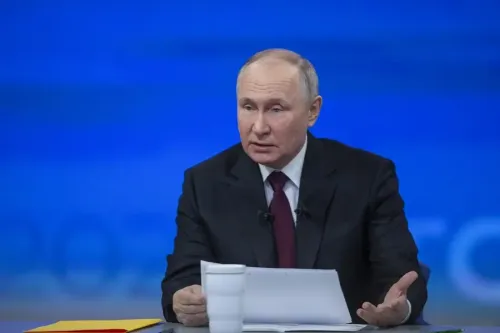
Russia successfully tested the RS-28 Sarmat ICBM, with results reported directly to President Vladimir Putin .
Putin described it as "the most powerful package system in the world," with a warhead yield four times greater than any Western equivalent.
The missile can travel over 35,000 km via a suborbital trajectory, reportedly capable of bypassing all existing and future anti-missile defence systems.
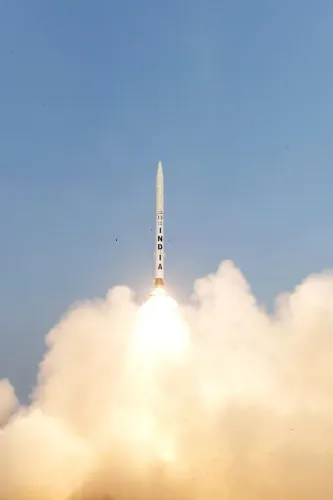
The first successful launch was conducted on 20 April 2022 from the Plesetsk Cosmodrome in the Arkhangelsk Region .
Putin confirmed the Sarmat will be deployed by the end of the year .
Development of the RS-28 began in the 2000s , accelerated after the US withdrew from the ABM Treaty in 2002 .
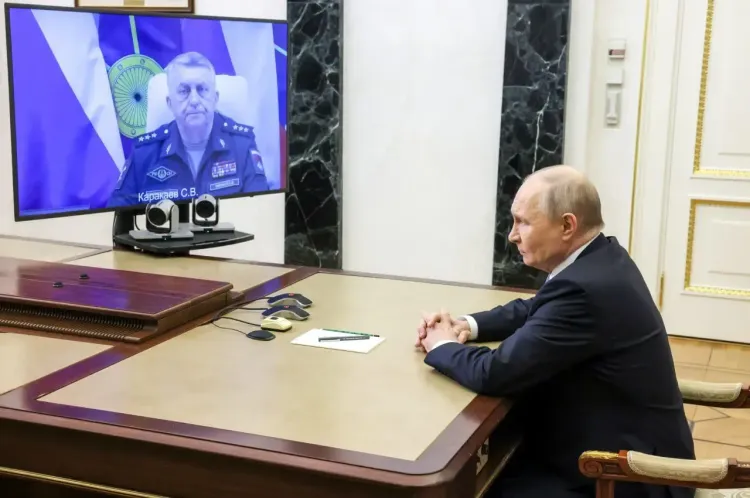
Russia has successfully tested the RS-28 Sarmat intercontinental ballistic missile (ICBM), with the country's Commander of the Strategic Missile Forces, Sergey Karakayev, reporting the results directly to President Vladimir Putin. The test confirmed the missile system's specified characteristics, including flight range, throw weight, launch readiness, and countermeasures, according to reports.
What the Test Confirmed
Karakayev stated in his report to Putin that the Sarmat missile system's results "confirmed the specified characteristics and the correctness of the decisions incorporated into it." He added that the missile "will significantly increase the combat capabilities of the ground-based strategic nuclear forces to guarantee the destruction of targets and solve strategic deterrence problems."
The test verified the system's ability to travel not only along a ballistic trajectory but also a suborbital one — a capability that reportedly allows for a range of over 35,000 km while simultaneously doubling accuracy and penetrating existing and future anti-missile defence systems.
Putin's Remarks on the Sarmat
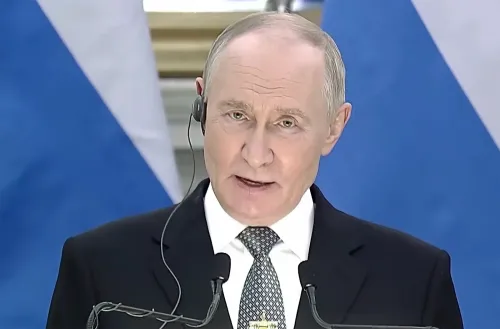
President Putin congratulated the Russian military on the successful test, describing the Sarmat as "the most powerful package system in the world, equal in power to the Soviet-era Voevoda missile system." He further stated that "the total yield of the delivered warhead is more than four times greater than any existing, most powerful Western equivalent."
Putin confirmed that the Sarmat system is slated for deployment by the end of the year, marking a significant milestone in Russia's strategic nuclear modernisation programme.
Background and Development
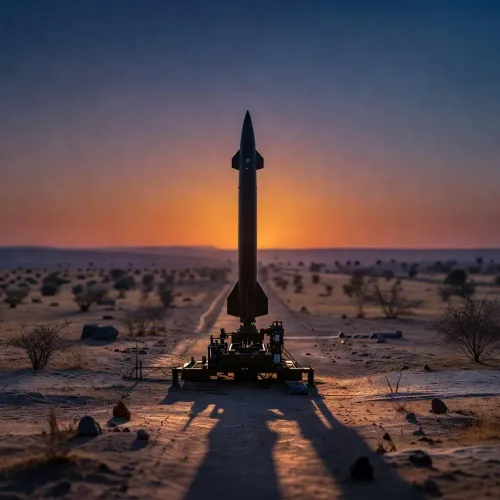
The RS-28 Sarmat is an advanced ground-based, silo-launched, heavy liquid-propellant orbital ICBM capable of carrying multiple nuclear warheads. Development began in the 2000s, and the first successful launch was conducted on 20 April 2022 from the Plesetsk Cosmodrome in the Arkhangelsk Region.
Notably, Putin linked the programme's urgency to Washington's withdrawal from the Anti-Ballistic Missile (ABM) Treaty in 2002, stating that Moscow was forced to "consider ensuring its strategic security in the context of the new reality and the need to maintain a strategic balance of power and parity."
Strategic Implications
The Sarmat's reported ability to bypass existing and future missile defence systems — including those deployed by NATO — positions it as a direct counter to Western strategic infrastructure. This comes amid heightened geopolitical tensions following Russia's military operations in Ukraine and a broader deterioration in US-Russia arms control dialogue.
With deployment confirmed for the near term, the Sarmat's entry into active service is expected to reshape global nuclear deterrence calculus in the months ahead.
Point of View
As these announcements almost always are, for maximum diplomatic effect. Putin's framing ties the programme directly to the 2002 ABM Treaty withdrawal, a grievance Moscow has nursed for two decades and now uses to justify nuclear escalation optics. The claimed suborbital trajectory and bypass capability are designed to render Western missile defence investments — particularly in Eastern Europe — psychologically obsolete. Whether the technical specifications match the political rhetoric remains unverified by independent sources, but the intent is clear: Russia is reframing the nuclear deterrence conversation on its own terms, at a moment when Western unity on Ukraine is under sustained pressure.
NationPress
7 Oct 2026
Frequently Asked Questions
What is the RS-28 Sarmat missile?
The RS-28 Sarmat is an advanced Russian ground-based, silo-launched intercontinental ballistic missile capable of carrying multiple nuclear warheads. It has been under development since the 2000s and is designed to replace the Soviet-era Voevoda missile system.
What did Russia's latest Sarmat test confirm?
The test confirmed the missile system's flight range, throw weight, launch readiness, and countermeasures. According to Commander Sergey Karakayev, it validated all specified characteristics and the design decisions incorporated into the system.
When will the Sarmat missile be deployed?
President Putin confirmed that the Sarmat system will be deployed by the end of the year, following the successful test.
How does the Sarmat compare to Western missiles?
Putin claimed the Sarmat's total warhead yield is more than four times greater than any existing Western equivalent. He also stated it can travel over 35,000 km via a suborbital trajectory, allowing it to penetrate all existing and future anti-missile defence systems.
Why did Russia develop the Sarmat?
Russia accelerated development of the Sarmat after the United States withdrew from the Anti-Ballistic Missile Treaty in 2002. Putin stated Moscow was compelled to ensure its strategic security and maintain a balance of power in response to that decision.