Russia-Ukraine prisoner swap talks underway, lists being finalised: Kremlin
Synopsis
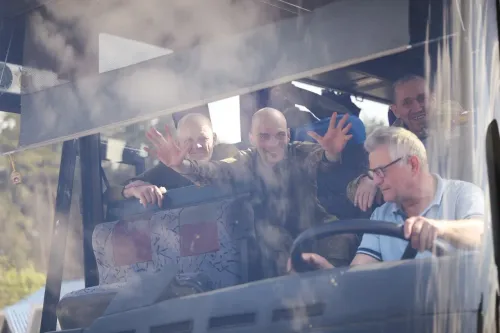
Even as Russia's military operation resumed after the brief May 9-11 ceasefire, the Kremlin says list-coordination for a '1,000 for 1,000' prisoner swap with Ukraine is moving very quickly. It is a rare diplomatic signal amid an otherwise unrelenting conflict, and one that both sides appear, for now, to want to see through.
Key Takeaways
Kremlin spokesman Dmitry Peskov confirmed on 14 May that Russia and Ukraine are coordinating lists for a new prisoner exchange.
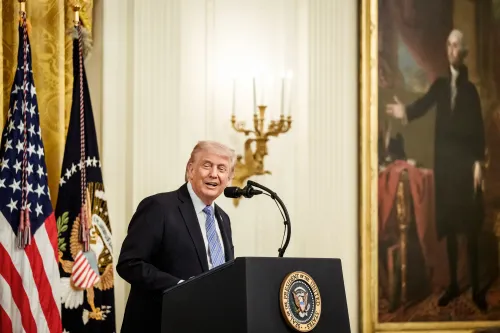
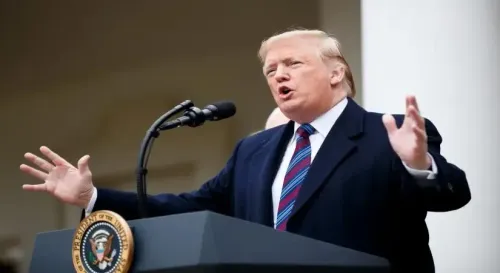
A '1,000 for 1,000' swap was proposed by US President Donald Trump and agreed to by Russia, with the exchange window set during the 9-11 May ceasefire.
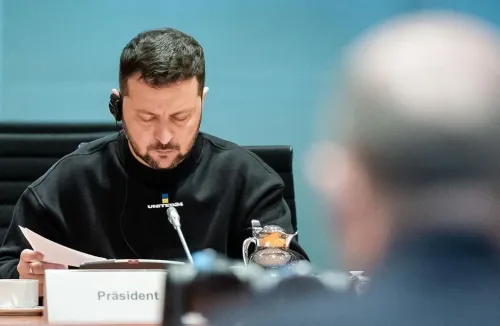
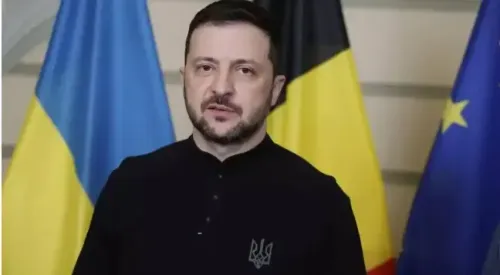
Ukrainian President Volodymyr Zelensky said on 11 May that Ukraine had submitted a list of 1,000 detainees to the Russian side.
Russia's Ministry of Defence confirmed on 12 May that its military operation resumed after the ceasefire ended.
Moscow accused Kyiv of 30,383 ceasefire violations during the truce, a claim not independently verified.
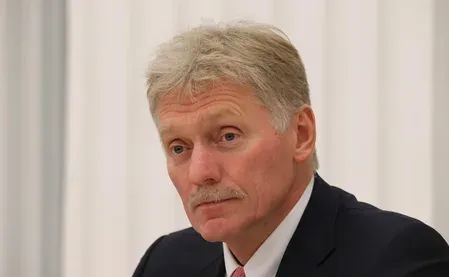
Kremlin spokesman Dmitry Peskov confirmed on Thursday, 14 May that Russia and Ukraine are actively preparing for another prisoner exchange, with both sides working to agree on detainee lists. The announcement, made in Moscow, signals continued diplomatic engagement even as hostilities persist on the ground.
Where Talks Stand
'Work is underway to coordinate the lists. This is the most difficult part of this work, and it is proceeding very quickly,' Peskov said, describing list-coordination as the central challenge in finalising the swap.
Russian presidential aide Yuri Ushakov had earlier revealed that Russia agreed to US President Donald Trump's initiative to establish a ceasefire with Ukraine from 9 to 11 May and conduct a '1,000 for 1,000' prisoner exchange with Kyiv during that window, according to reports citing Russian state media.
The May 9 Ceasefire and Its Collapse
The short-lived ceasefire was announced ahead of celebrations marking the 81st anniversary of the Soviet people's victory in World War II, a date of deep symbolic significance in Russia. Relevant services on both sides were said to be actively working on prisoner lists during this period, with the exchange contingent on a final agreement being reached.
Russia's Ministry of Defence confirmed on 12 May that its special military operation had resumed following the end of the ceasefire. Moscow also accused Kyiv of committing 30,383 ceasefire violations during the truce period, a claim that has not been independently verified.
Zelensky's Position
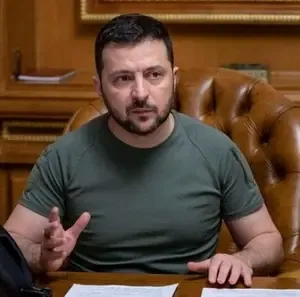
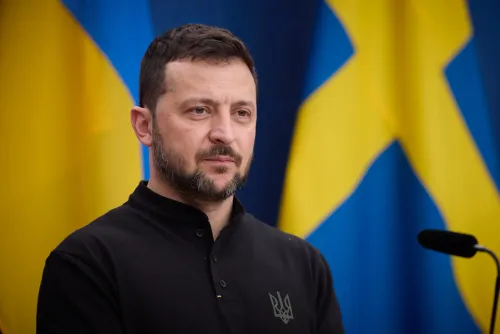
On 11 May, Ukrainian President Volodymyr Zelensky stated that Ukraine had submitted a list of 1,000 detainees to the Russian side for the planned exchange. According to Ukraine's presidential press service, Zelensky also stressed that the conflict must be brought to an end and that reliable security guarantees must be in place.
'Now Putin himself says that he is finally ready for real meetings. We pushed him a little toward this, and we have long been ready for such meetings ourselves -- now a format must be found,' Zelensky said.
What Comes Next
The current round of negotiations is proceeding against a backdrop of resumed fighting, making the exchange -- if completed -- a rare point of bilateral cooperation. Whether it could serve as a stepping stone toward broader ceasefire talks remains to be seen.
Point of View
Which collapsed within 72 hours. That both sides are still coordinating lists even as fighting has resumed suggests a shared interest in at least this narrow humanitarian corridor. But Moscow's simultaneous announcement of 30,383 Ukrainian ceasefire violations points to a familiar pattern: using humanitarian gestures as diplomatic cover while maintaining military pressure. Whether a completed exchange becomes the foundation for a wider ceasefire framework, or is absorbed into the war's background noise as previous swaps have been, is the question that matters.
NationPress
13 Oct 2026
Frequently Asked Questions
What is the Russia-Ukraine prisoner exchange currently being discussed?
Russia and Ukraine are working to finalise lists for a '1,000 for 1,000' prisoner swap, first proposed as part of a US President Donald Trump-backed ceasefire initiative covering 9 to 11 May 2025. Kremlin spokesman Dmitry Peskov confirmed on 14 May that list coordination is progressing quickly.
Did the May 9-11 ceasefire between Russia and Ukraine hold?
No. Russia's Ministry of Defence confirmed on 12 May that its military operation had resumed after the ceasefire period ended. Moscow also accused Kyiv of 30,383 ceasefire violations during the truce, though this figure has not been independently verified.
What did Zelensky say about the prisoner exchange?
Ukrainian President Volodymyr Zelensky stated on 11 May that Ukraine had submitted a list of 1,000 detainees to Russia for the planned swap. He also said the conflict must end and that reliable security guarantees are essential for any lasting peace.
Who proposed the '1,000 for 1,000' prisoner swap?
US President Donald Trump proposed the initiative. Russian presidential aide Yuri Ushakov confirmed that Russia agreed to the proposal, with the exchange planned to coincide with the May 9-11 ceasefire period.
What is the biggest obstacle to completing the prisoner exchange?
According to Kremlin spokesman Dmitry Peskov, coordinating and verifying the lists of detainees is the most difficult part of the process. Such swaps historically involve complex verification of identities and conditions, which can significantly delay finalisation.