Hilarion Alfeyev released in Czech Republic after contested detention
Synopsis
A retired Russian Orthodox bishop detained in Karlovy Vary over an unspecified substance found in his car has walked free without conditions — but the diplomatic fallout is just beginning. Russia has summoned the Czech envoy and called the arrest a deliberate provocation against Orthodoxy, setting up a fresh point of friction between Moscow and Prague.
Key Takeaways
Hilarion Alfeyev , a retired Russian Orthodox Church bishop, was released by Czech Republic authorities with no bail, travel ban, or other conditions.
He was arrested on Sunday in Karlovy Vary after police found containers with an unspecified substance in his car; narcotics tests on him and his driver returned negative results .
The Russian Foreign Ministry called the arrest 'trumped-up' and a 'deliberate, orchestrated provocation' targeting Orthodoxy.
Spokesperson Maria Zakharova announced the Czech diplomatic mission head in Moscow would be summoned for a formal protest.
Alfeyev denied all wrongdoing and said he had received anonymous threats, including threats of physical violence, over recent months.
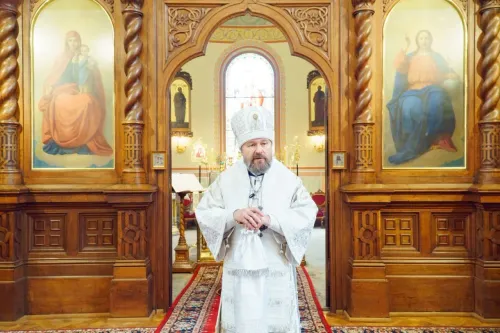
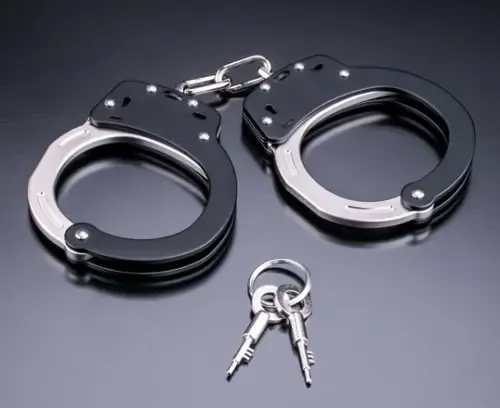
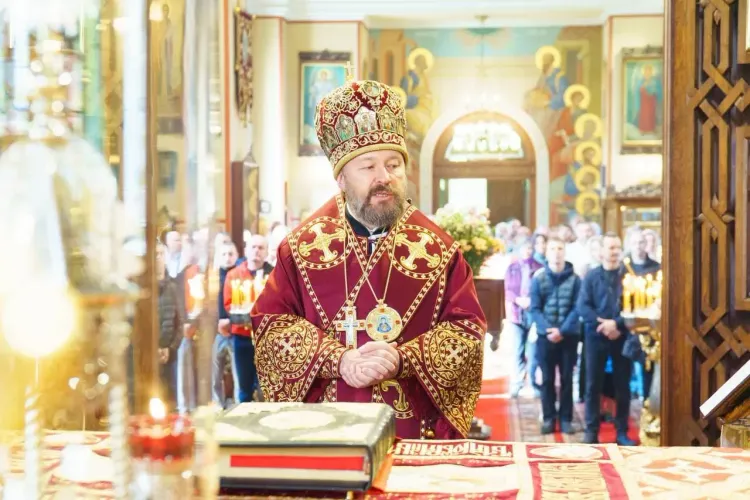
Retired Russian Orthodox Church bishop Hilarion Alfeyev has been released by Czech Republic authorities following a brief detention in Karlovy Vary, according to local media reports. He was freed without bail, travel restrictions, written undertakings, or any other procedural conditions, according to a post on his Telegram channel.
What Led to the Arrest
Alfeyev was detained on Sunday after Czech police reportedly discovered containers holding an unspecified substance in the boot of his car. Officers subsequently conducted a personal search of Alfeyev and his driver and administered narcotics tests, both of which returned negative results, according to a statement from the Russian Foreign Ministry. Alfeyev, who resides in Czechia, serves at the Church of the Apostles Peter and Paul in Karlovy Vary.
Russia's Diplomatic Response
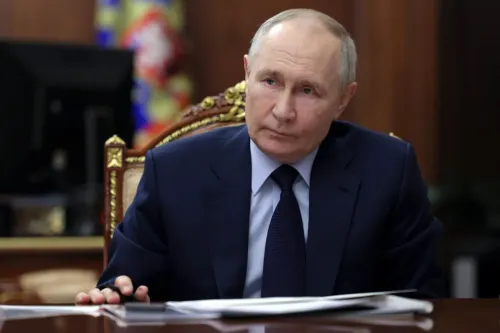
The Russian Foreign Ministry characterised the arrest as made on 'trumped-up charges' and described the incident as 'a deliberate, orchestrated provocation, to denigrate both the Metropolitan himself and, through him, Orthodoxy in principle, which has recently been under attack in the Czech Republic.' Ministry spokesperson Maria Zakharova announced that the head of the Czech diplomatic mission in Moscow would be summoned to receive a formal protest. 'The Russian Embassy will continue to provide him with all necessary assistance. The head of the Czech diplomatic mission in Moscow will be summoned to the Russian Foreign Ministry shortly, where a strong protest will be lodged against the Czech authorities' unacceptable, arbitrary actions,' Zakharova said. The Ministry demanded the immediate and unconditional release of Alfeyev and the termination of what it called a 'fabricated investigation.'
Alfeyev Denies Any Wrongdoing
Alfeyev categorically denied any involvement in the illegal possession of prohibited substances and described his arrest as a provocation. He also disclosed that he had received frequent anonymous threats over the preceding several months — including threats of physical violence — with demands that he vacate his place of service.
Context and Significance
The detention comes amid broader tensions between Russia and Czech Republic, a NATO member that has been among the more vocal European critics of Moscow since the war in Ukraine. Alfeyev is a prominent figure in the Russian Orthodox Church, having previously served as head of the Church's Department for External Relations. This is not the first time Russian Orthodox clergy with ties to Moscow have faced scrutiny in Central and Eastern Europe, where governments have grown increasingly wary of institutional links to the Kremlin. With Alfeyev now released without conditions, the diplomatic fallout — including Russia's formal summons of the Czech envoy — is likely to define the next phase of this episode.
Point of View
Leaving the factual core of this incident unresolved. In a climate where Central European governments are scrutinising Russian institutional influence, the episode will likely be read through two incompatible lenses — and neither side has an incentive to clarify.
NationPress
22 Sept 2026
Frequently Asked Questions
Why was Hilarion Alfeyev arrested in the Czech Republic?
Alfeyev was arrested after Czech police reportedly found containers with an unspecified substance in the boot of his car in Karlovy Vary. Narcotics tests on him and his driver both returned negative results, and he was subsequently released without any conditions.
Has Hilarion Alfeyev been charged with any offence?
No charges appear to have been filed. Alfeyev was released without bail, a travel ban, or any written undertaking, suggesting Czech authorities did not proceed with formal charges at this stage.
How has Russia responded to the detention?
The Russian Foreign Ministry condemned the arrest as made on 'trumped-up charges' and called it a deliberate provocation. Spokesperson Maria Zakharova announced that the head of the Czech diplomatic mission in Moscow would be summoned to receive a formal protest.
Who is Hilarion Alfeyev?
Hilarion Alfeyev is a retired bishop of the Russian Orthodox Church who resides in the Czech Republic and serves at the Church of the Apostles Peter and Paul in Karlovy Vary. He previously headed the Church's Department for External Relations, making him one of its most prominent international figures.
Did Alfeyev face any threats before his arrest?
Yes. Alfeyev stated he had received frequent anonymous threats over the preceding several months, including threats of physical violence, with demands that he leave his place of service in Karlovy Vary.