Russia to summon Czech envoy over Hilarion Alfeyev detention in Karlovy Vary
Synopsis
A retired Russian Orthodox bishop arrested in a Czech spa town has triggered a full diplomatic protest from Moscow — complete with an envoy summoning and demands for immediate release. With narcotics tests returning negative and Russia branding the arrest a 'deliberate provocation,' this case is rapidly moving from a local police matter to a flashpoint in already-strained Russia–Czech relations.
Key Takeaways
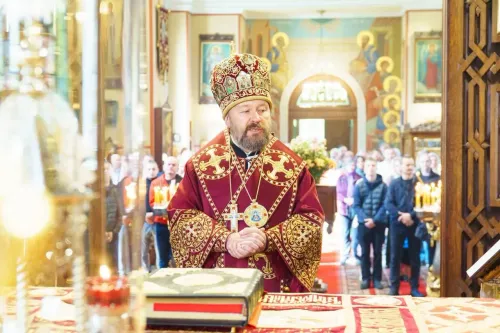
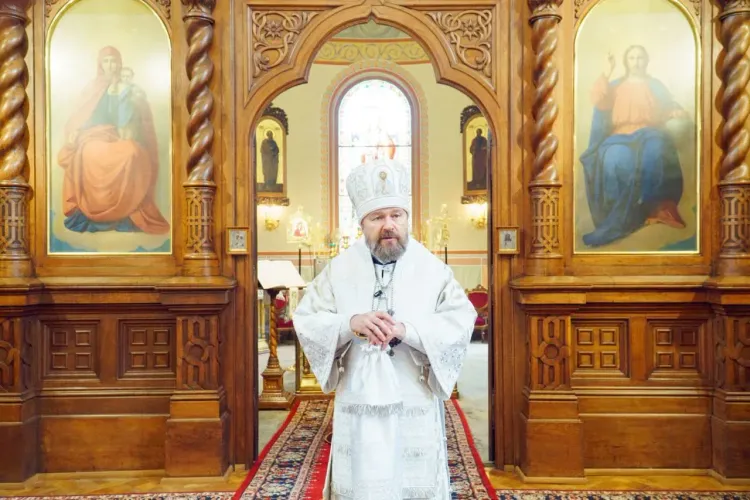
Hilarion Alfeyev , a retired Russian Orthodox Church bishop, was arrested in Karlovy Vary, Czech Republic on 25 May 2025 after police found containers with an unspecified substance in his car.
Russia's Foreign Ministry announced it will summon the head of the Czech diplomatic mission in Moscow to lodge a formal protest.
Narcotics tests conducted on Alfeyev and his driver returned negative results , according to the Russian Foreign Ministry's statement.
Spokesperson Maria Zakharova called the arrest 'unacceptable, arbitrary actions' and demanded Alfeyev's 'immediate and unconditional release.' Alfeyev said he had received repeated anonymous threats, including threats of physical violence, in the months before his arrest.
The Russian Foreign Ministry has announced it will summon the head of the Czech diplomatic mission in Moscow following the arrest of retired Russian Orthodox Church bishop Hilarion Alfeyev in Karlovy Vary, Czech Republic, on Sunday, 25 May 2025. Czech police reportedly detained Alfeyev after discovering containers with an unspecified substance in the boot of his car, according to a ministry statement.
What Led to the Arrest
According to the Russian Foreign Ministry's account, Czech police conducted a personal search of Hilarion Alfeyev and his driver at a police station, including narcotics testing — the results of which came back negative. The substance found in the car has not been publicly identified by Czech authorities. Alfeyev, a retired bishop residing in Czechia, serves at the Church of the Apostles Peter and Paul in Karlovy Vary.
Moscow's Strong Protest
Russian Foreign Ministry spokesperson Maria Zakharova said the Russian Embassy would continue providing Alfeyev with all necessary assistance. 'The head of the Czech diplomatic mission in Moscow will be summoned to the Russian Foreign Ministry shortly, where a strong protest will be lodged against the Czech authorities' unacceptable, arbitrary actions,' Zakharova said. Moscow has characterised the arrest as being based on 'trumped-up charges' and demanded Alfeyev's 'immediate and unconditional release,' calling for an end to what it described as a 'fabricated investigation.'
Russia Calls It a 'Deliberate Provocation'
The Russian Foreign Ministry went further, framing the incident as a targeted political act. 'We regard this incident as a deliberate, orchestrated provocation, with the aim of denigrating both the Metropolitan himself and, through him, Orthodoxy in principle, which has recently been under attack in the Czech Republic,' the ministry stated. The language signals that Moscow views the detention not merely as a legal matter but as part of a broader pattern of pressure on the Russian Orthodox Church in Central Europe.
Alfeyev Denies the Charges, Cites Threats
Alfeyev has categorically denied any involvement in the illegal possession of prohibited substances and has called his arrest a provocation. According to his Telegram channel, he also disclosed that he had received frequent anonymous threats — including threats of physical violence — over the past several months, with demands that he vacate his place of service. He stated he is prepared to cooperate with the investigation within the bounds of the law and intends to defend his 'name, dignity and reputation by all available legal means.'
Diplomatic Fallout and What Comes Next
The summoning of a diplomatic envoy is a formal escalation in bilateral relations and signals that Russia intends to pursue the matter at the state level. Russia–Czech Republic ties have been strained for several years, most sharply since the 2021 expulsion of Russian diplomats over the Vrbetice ammunition depot blast. This latest incident adds a religious and cultural dimension to an already fraught relationship. Czech authorities have not publicly responded to Moscow's characterisation of the arrest as of the time of reporting. The outcome of the Czech investigation — and whether Prague chooses to engage diplomatically — will determine how quickly this dispute escalates further.
Point of View
Regardless of what Czech investigators ultimately find. Russia's swift, high-decibel response, invoking 'orchestrated provocation' and the broader 'attack on Orthodoxy,' suggests this will be weaponised well beyond the courtroom. For Prague, the challenge is managing a legitimate legal process without feeding that narrative. Given that Russia–Czech ties have barely recovered from the Vrbetice expulsions of 2021, the diplomatic margin for error here is thin on both sides.
NationPress
19 Sept 2026
Frequently Asked Questions
Who is Hilarion Alfeyev and why was he arrested?
Hilarion Alfeyev is a retired bishop of the Russian Orthodox Church who resides in the Czech Republic and serves at the Church of the Apostles Peter and Paul in Karlovy Vary. He was arrested on 25 May 2025 after Czech police found containers with an unspecified substance in the boot of his car; narcotics tests on him and his driver returned negative results.
Why is Russia summoning the Czech envoy?
Russia's Foreign Ministry is summoning the head of the Czech diplomatic mission in Moscow to lodge a formal protest over what it calls the 'unacceptable, arbitrary' detention of Alfeyev on what it describes as 'trumped-up charges.' Moscow is demanding his immediate and unconditional release.
What did Maria Zakharova say about the arrest?
Foreign Ministry spokesperson Maria Zakharova said the Russian Embassy would provide Alfeyev with all necessary consular assistance and that the Czech envoy would be summoned shortly to receive a 'strong protest.' She characterised the arrest as a 'deliberate, orchestrated provocation' aimed at denigrating Orthodoxy in the Czech Republic.
Has Alfeyev admitted to any wrongdoing?
No. Alfeyev has categorically denied involvement in the illegal possession of prohibited substances and has called his arrest a provocation. He stated his intention to cooperate with the investigation within the law and to defend his reputation by all available legal means.
How does this incident affect Russia–Czech Republic relations?
The summoning of a diplomatic envoy marks a formal escalation in bilateral ties, which have already been under strain since the 2021 expulsion of Russian diplomats over the Vrbetice ammunition depot case. This incident adds a religious and cultural dimension to an already fraught relationship.