United Russia wins 9th State Duma election with 57.83% vote share
Synopsis
United Russia has swept Russia's 9th State Duma election with nearly 58% of the vote — a stronger turnout than 2021 — while the CEC claims it repelled over 100 million cyber attacks on the electoral system and blamed Western nations for attempting to disrupt the process. Final results are due Friday.
Key Takeaways
United Russia leads with 57.83 per cent of the vote based on 95.18 per cent of ballots counted.
Communist Party placed second at 13.81 per cent ; Liberal Democratic Party third at 8.98 per cent .
Voter turnout rose to 59.32 per cent , up from 51.72 per cent in the 2021 election.
CEC Chairperson Ella Pamfilova said over 100 million cyber threats were repelled, with zero successful breaches.
Pamfilova accused Western nations of attempting to interfere and 'smear' the election — claims not independently verified.
Final official results are expected on Friday .
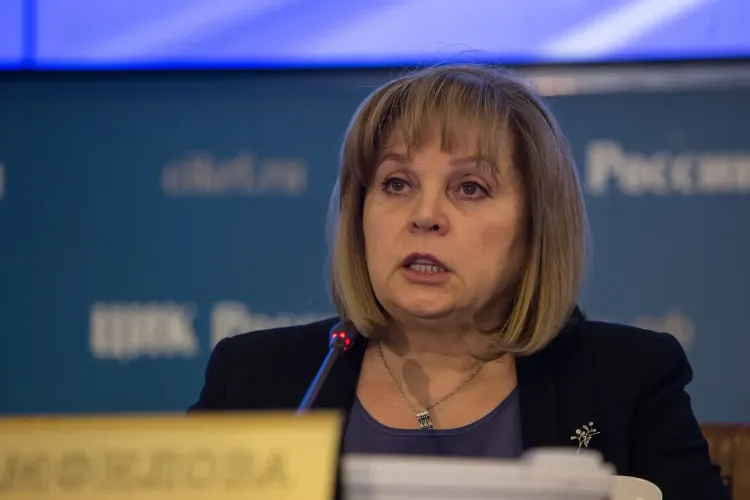
Russia's ruling United Russia party has secured a commanding 57.83 per cent of the vote in the election for the 9th State Duma, the country's lower house of parliament, according to preliminary results announced Monday by Russian Central Election Commission (CEC) Chairperson Ella Pamfilova at a press conference. The figures are based on 95.18 per cent of ballots counted.
Key Results and Voter Turnout
With the bulk of votes tallied, the Communist Party of the Russian Federation came in second with 13.81 per cent, followed by the Liberal Democratic Party of Russia at 8.98 per cent. New People and A Just Russia garnered 7.96 per cent and 4.96 per cent respectively. A total of 10 political parties contested the election, which was held over three days from Friday to Sunday.
Voter turnout reached 59.32 per cent — noticeably higher than the 51.72 per cent recorded in the 2021 State Duma election, according to CEC data.
How the State Duma Is Structured
The State Duma is Russia's permanent legislative body, comprising 450 deputies. Half of the seats — 225 — are allocated proportionally based on party lists, while the remaining 225 are filled through single-mandate constituencies under a relative-majority voting system. Final official results are expected to be announced on Friday, Pamfilova said.
Unprecedented Cyber Attacks on Electoral Infrastructure
On the final day of voting, Pamfilova disclosed that Russia had fended off more than 100 million potential cyber threats targeting its electoral infrastructure over the course of the election. Russian electoral platforms, including the official election website, reportedly endured large-scale, high-capacity DDoS attacks as well as targeted web server intrusions throughout the voting period.
Authorities also detected attempts to exploit system vulnerabilities and disrupt national telecommunications infrastructure. According to Pamfilova, all malicious activities were identified and filtered by national security systems, with zero successful cyber breaches recorded despite the scale of attacks. Investigations confirmed that assaults targeting Russia's remote electronic voting system mainly originated from overseas, with some using spoofed Russian IP addresses.
Russia's Accusations Against the West
Pamfilova sharply criticised what she characterised as Western interference in Russia's electoral process, claiming that Western countries had mobilised professional lawyers as so-called 'electoral vultures' to seek legal loopholes, spread disinformation, and disrupt the CEC's operations. She further alleged that Western politicians and institutions had 'groundlessly smeared' Russia's elections, arguing they lacked genuine public support in their own countries yet 'arbitrarily judged' Russia's electoral affairs. These claims have not been independently verified.
Point of View
But the figures come without independent international observation that Western governments would regard as credible. The CEC's claim of 100 million repelled cyber attacks, framed as Western aggression, follows a well-established pattern of pre-emptively delegitimising foreign criticism before results are certified. What is notable is the turnout increase itself: in a multi-day electronic voting system that critics have long questioned, higher participation numbers are difficult to verify or contest. The real geopolitical story is less about the margin and more about the information war that now routinely accompanies every Russian electoral cycle.
NationPress
21 Sept 2026
Frequently Asked Questions
Who won the 2026 Russian State Duma election?
United Russia, the ruling party, won the election with 57.83 per cent of the vote based on preliminary results covering 95.18 per cent of ballots counted. The Communist Party came second with 13.81 per cent, followed by the Liberal Democratic Party at 8.98 per cent.
What is the State Duma and how many seats does it have?
The State Duma is Russia's lower house of parliament and its permanent legislative body, comprising 450 deputies. Half the seats are distributed proportionally by party lists and the other half through single-mandate constituencies.
When will the final State Duma election results be announced?
CEC Chairperson Ella Pamfilova said final official results are expected to be announced on Friday, after preliminary figures were released on Monday.
What was the voter turnout in Russia's 2026 Duma election?
Turnout was 59.32 per cent, according to CEC data — higher than the 51.72 per cent recorded in the previous State Duma election in 2021.
What cyber threats targeted Russia's Duma election?
Russian authorities claim to have repelled more than 100 million potential cyber threats, including large-scale DDoS attacks and targeted web server intrusions, with zero successful breaches recorded. Investigations reportedly indicated the attacks originated primarily from overseas.