South Korea Army to overhaul reservist training safety after May fatality
Synopsis
A reservist's death during a night drill near Pocheon has forced South Korea's Army into a rare public reckoning. Despite ruling out training as the direct cause, the Army has committed to stationing permanent emergency medical teams at every reservist site by end-2025 — an admission that the existing system was not equipped to handle a medical crisis in the field.
Key Takeaways
A South Korean Army reservist in his 20s died on 13 May 2025 after collapsing during a night drill near Pocheon , about 40 km north of Seoul .
An investigation by two independent forensic agencies concluded the cause of death was pancreatitis , a pre-existing condition unrelated to the training itself.
The Army denied rumours that a drone was used to surveil troops, stating drones simulated contingency scenarios only.
The Army will station permanent emergency medical teams at all reservist training grounds and pool personnel from private practices for large-scale drills.
A full emergency medical response system is to be in place by end-2025 , targeting care within the critical 'golden hour' .
The South Korean Army on 3 July 2025 pledged a sweeping overhaul of safety and emergency medical protocols for reservist training, following the death of a reservist in his 20s during a night drill near Pocheon, approximately 40 kilometres north of Seoul, in May 2025. The commitment came after the Army concluded an extensive investigation into the incident.
What the Investigation Found
The Army determined that the reservist, who collapsed on 13 May while en route to a night training site during a three-day reservist exercise, died of pancreatitis — a pre-existing condition he had been receiving treatment for over an extended period. He lost consciousness during the march and died while being transported to hospital.
'We sought professional opinions from two independent forensic consultation agencies and it has been confirmed that the underlying medical condition was directly linked to the cause of the death,' an Army official said at a press briefing.
Officials also addressed circulating rumours, including speculation that a division commander had deployed a drone to monitor troops. The Army clarified that drones were used solely to simulate contingency scenarios, not for surveillance of personnel.
Public Backlash and Criticism
The incident triggered widespread public criticism over the overall management of South Korea's reservist training system. Critics argued that instructors had pushed ahead with drills without adequately assessing the health conditions of individual participants — a charge the Army did not directly confirm but implicitly acknowledged by announcing structural reforms.
Notably, this is not the first time South Korea's reservist training framework has come under scrutiny. The programme, which requires periodic military service from discharged soldiers, has faced recurring questions about medical readiness and participant welfare.
Reforms the Army Has Announced
Despite concluding that the death was not directly caused by training activities, the Army said it would treat the incident as a turning point for systemic reform. Key measures include:
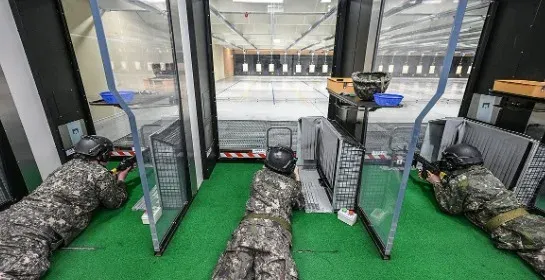
Permanent emergency medical teams will be stationed at all reservist training grounds. For large-scale outdoor exercises, the Army will pool medical personnel from relevant divisions, adjacent units, and — if necessary — from private medical practices.
'We will work to fully establish a system by the end of this year to ensure optimal emergency medical care can be provided within the critical golden hour,' the Army said in an official release.
What Comes Next
The Army has set a deadline of end-2025 to fully operationalise the enhanced medical response framework. The reforms signal a broader institutional reckoning with how South Korea manages the health and safety of its large reservist population, which numbers in the millions. Whether the measures translate into enforceable standards — or remain policy commitments — will be closely watched by military observers and families of serving reservists alike.
Point of View
Yet pre-screening protocols have long been criticised as perfunctory. The promise of permanent medical teams is meaningful only if it is paired with credible pre-drill health screening; without it, the reforms address the aftermath but not the cause.
NationPress
1 Oct 2026
Frequently Asked Questions
What happened to the South Korean Army reservist in May 2025?
A reservist in his 20s fell unconscious on 13 May 2025 while marching to a night training site in Pocheon, about 40 kilometres north of Seoul, during a three-day reservist exercise. He died while being transported to hospital.
What did the Army's investigation conclude about the cause of death?
Two independent forensic consultation agencies confirmed that the reservist died of pancreatitis, a pre-existing medical condition he had been treated for over an extended period. The Army stated the death was not directly caused by the training activities.
What safety reforms has the South Korean Army announced?
The Army will permanently station emergency medical teams at all reservist training grounds and pool medical personnel from divisions, adjacent units, and private practices for large-scale outdoor drills. It aims to have the full system operational by end-2025 to ensure care within the golden hour.
Why did the incident spark public criticism?
The death fuelled widespread concern that instructors had proceeded with drills without assessing participants' individual health conditions. Critics argued the reservist training system lacked adequate medical safeguards, prompting calls for systemic reform.
Were drones used to monitor troops during the drill?
The Army denied this, clarifying that drones deployed during the exercise were used to simulate contingency scenarios, not to surveil personnel. Officials described the drone-surveillance rumour as unfounded.