South Korea Defence Minister heads to Shangri-La Dialogue 2025 in Singapore
Synopsis
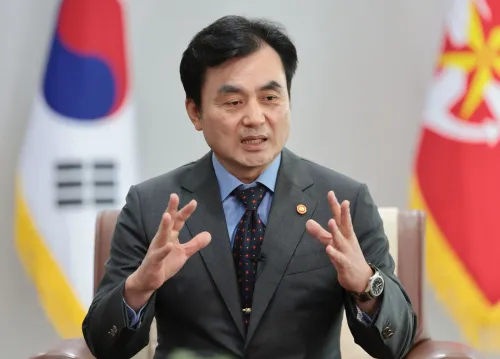
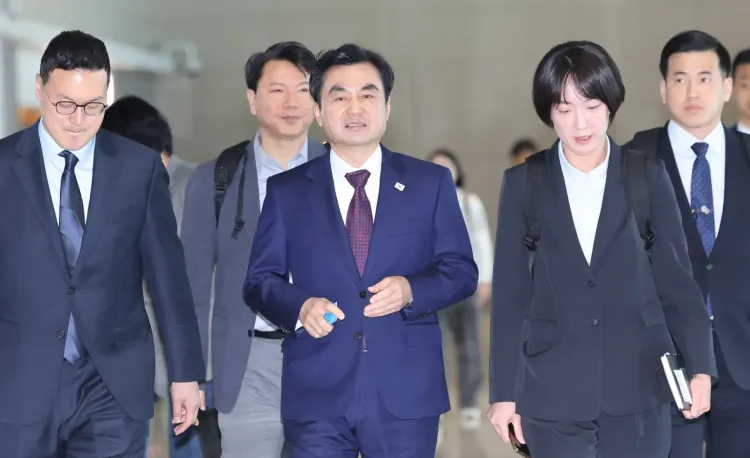
South Korea's Defence Minister Ahn Gyu-back heads to Singapore for the 23rd Shangri-La Dialogue, where he will address a plenary session on Seoul's evolving defence policy and hold bilateral talks with five nations — a sign of South Korea's increasingly proactive multilateral security engagement amid a volatile global landscape.
Key Takeaways
Defence Minister Ahn Gyu-back will attend the 23rd Shangri-La Dialogue in Singapore from Friday to Sunday .
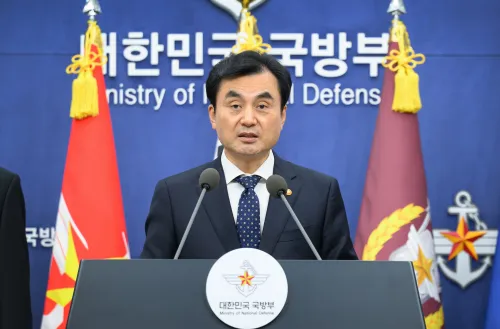
Ahn will deliver a plenary address on South Korea's defence policy amid a rapidly changing security environment.
Bilateral meetings are scheduled with counterparts from Japan , Australia , Norway , the Philippines , and Thailand .
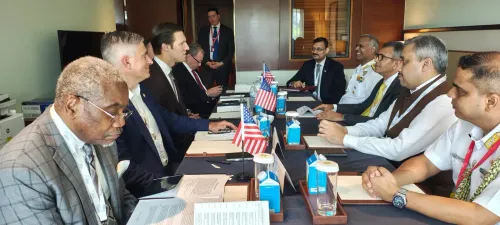
Ahn also plans to meet attending members of the US House and Senate .
The Shangri-La Dialogue , launched in 2002 , brings together defence officials from over 40 countries and is hosted by the IISS in Singapore.
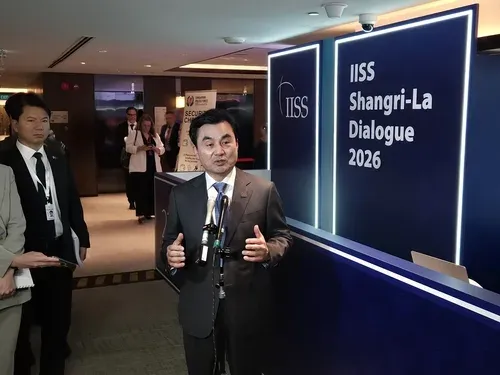
South Korea's Defence Minister Ahn Gyu-back is set to travel to Singapore this week to participate in the 23rd Asia Security Summit, commonly known as the Shangri-La Dialogue, his ministry confirmed on Thursday, 29 May 2025. The visit comes at a time of heightened global security anxiety, with the Middle East conflict continuing to cast a long shadow over Indo-Pacific defence calculus.
Key Developments
Minister Ahn will be present at the three-day summit running from Friday through Sunday, joining defence chiefs from the United States, Japan, and a broad coalition of European and Indo-Pacific partner nations. He is scheduled to address a plenary session, where he will outline South Korea's defence policy in the context of a rapidly shifting security environment and the challenges it presents.
Bilateral Meetings on the Sidelines
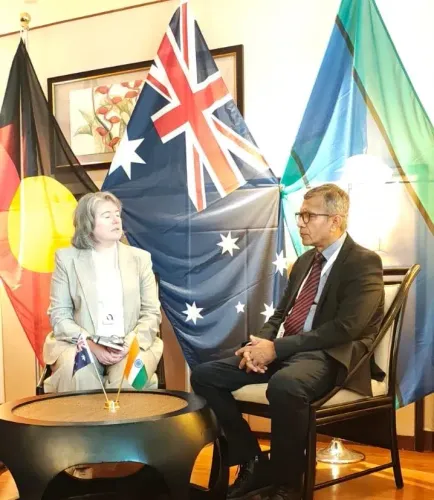
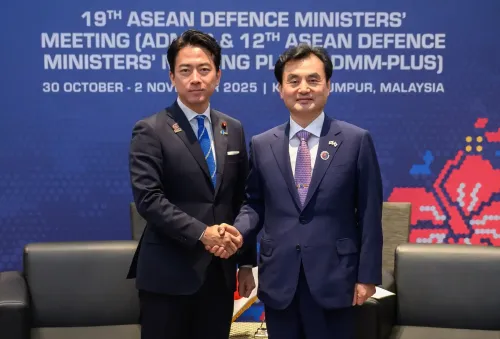
Beyond the plenary, Ahn has a packed schedule of bilateral talks with counterparts from Japan, Australia, Norway, the Philippines, and Thailand. The discussions are expected to cover mutual security concerns and avenues for deepening defence cooperation. He also plans to hold separate meetings with members of the US House of Representatives and the Senate who are attending the forum.
What Is the Shangri-La Dialogue
Launched in 2002 and hosted by the International Institute for Strategic Studies (IISS) in Singapore, the Shangri-La Dialogue is widely regarded as Asia's premier annual defence summit. It draws defence ministers, military chiefs, and strategic thinkers from more than 40 countries to deliberate on pressing Indo-Pacific security challenges and explore frameworks for regional cooperation.
Notably, the forum operates as a 'Track One' inter-governmental platform, enabling both open plenary debates and confidential bilateral exchanges — a combination that makes it uniquely suited to de-escalating regional tensions. This is the 23rd edition of the summit, reflecting over two decades of multilateral security engagement in the region.
Broader Context
South Korea's active participation this year reflects the peninsula's increasingly outward-looking defence posture. Seoul has been steadily expanding its security partnerships beyond its traditional US alliance, engaging more deeply with Indo-Pacific and European partners amid concerns over North Korean military provocations and the broader destabilisation stemming from global conflict zones. Minister Ahn's bilateral agenda — spanning five countries — signals that Seoul views the Shangri-La Dialogue not merely as a talking shop but as a venue for substantive diplomatic outcomes.
The forum's conclusions and any defence agreements reached on the sidelines are expected to shape regional security cooperation frameworks heading into the second half of 2025.
Point of View
South Korea is positioning itself as a proactive Indo-Pacific security actor rather than a passive recipient of alliance guarantees. Whether these sideline meetings translate into concrete defence agreements, or remain goodwill exchanges, will be the measure of Seoul's diplomatic ambition this weekend.
NationPress
26 Sept 2026
Frequently Asked Questions
What is the Shangri-La Dialogue 2025?
The Shangri-La Dialogue is Asia's premier annual defence and security summit, hosted by the International Institute for Strategic Studies (IISS) in Singapore. Now in its 23rd edition, it gathers defence ministers, military chiefs, and strategic experts from over 40 countries to discuss Indo-Pacific security challenges and forge defence cooperation frameworks.
Why is South Korea's Defence Minister attending the Shangri-La Dialogue?
Defence Minister Ahn Gyu-back is attending to present South Korea's defence policy in response to a rapidly changing security environment. He will also hold bilateral talks with counterparts from Japan, Australia, Norway, the Philippines, and Thailand to explore expanded defence cooperation.
Which countries will South Korea hold bilateral talks with at the forum?
South Korea has scheduled bilateral meetings with Japan, Australia, Norway, the Philippines, and Thailand on the sidelines of the summit. Minister Ahn also plans to meet US Congressional members attending the forum.
When and where is the 23rd Shangri-La Dialogue being held?
The 23rd Asia Security Summit, known as the Shangri-La Dialogue, is being held in Singapore from Friday to Sunday this week, running over three days with both plenary sessions and closed-door bilateral meetings.
What makes the Shangri-La Dialogue significant for Indo-Pacific security?
The Shangri-La Dialogue is a 'Track One' inter-governmental platform that enables both open debate and private bilateral diplomacy, making it uniquely effective for de-escalating regional tensions. Since its launch in 2002, it has served as the primary multilateral forum for defence cooperation across the Indo-Pacific.