South Korea-Japan ACSA talks: Seoul flags caution on military logistics pact
Synopsis
For the first time, a South Korean official has publicly confirmed that a bilateral military logistics pact with Japan — an Acquisition and Cross-Servicing Agreement — was formally discussed at the defence-minister level. Seoul's position remains cautious, citing colonial history, Korean Peninsula sovereignty concerns, and Beijing ties. The admission itself is the story: it signals that Washington's push for tighter trilateral defence integration is quietly moving the needle, even if Seoul isn't ready to say yes.
Key Takeaways
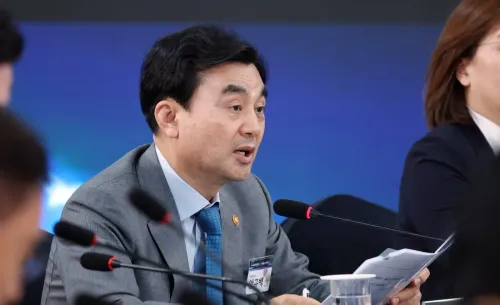
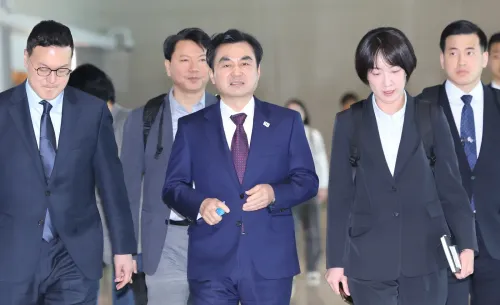
Defence Minister Ahn Gyu-back confirmed on 1 June 2025 that a bilateral ACSA with Japan was discussed at the Shangri-La Dialogue in Singapore — the first such official acknowledgement from Seoul.
A Defence Ministry official stated the ACSA is 'premature at this stage' and is not under active review.
Seoul's reservations stem from concerns over Japan's Self-Defence Forces operating on the Korean Peninsula , ties with Beijing , and Japan's 1910–1945 colonial rule of Korea.
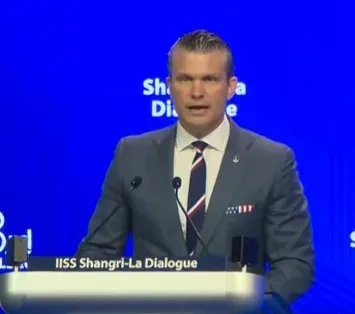
US Defence Secretary Pete Hegseth called for a 'balanced' approach to the OPCON transfer, amid differing timelines between Seoul and Washington.
Seoul seeks OPCON transfer before 2030 ; General Xavier Brunson has cited Q1 2029 as a potential window.
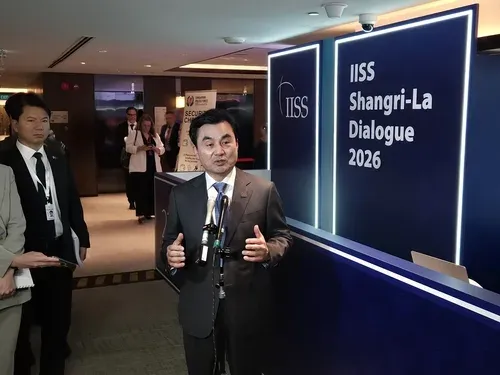
South Korea has acknowledged discussions with Japan over a proposed bilateral military logistics support agreement, even as Seoul maintained clear reservations about moving forward, Defence Minister Ahn Gyu-back confirmed on Sunday, 1 June 2025. The disclosure, made on the sidelines of the Shangri-La Dialogue in Singapore, marks the first time a Seoul official has publicly confirmed that an Acquisition and Cross-Servicing Agreement (ACSA) featured on the bilateral defence agenda.
What Was Discussed
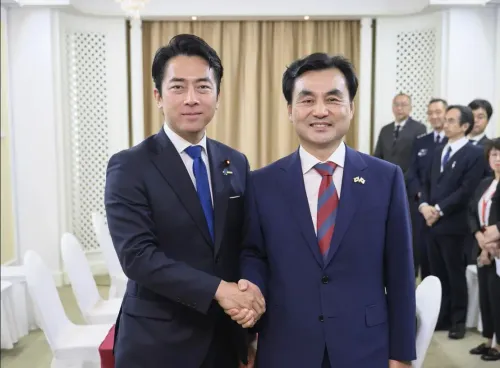
Ahn told reporters that the ACSA — a framework typically used to facilitate the sharing of logistics, supplies and services such as food, fuel and transportation between allied militaries during contingencies — was raised during his bilateral meeting with Japanese Defence Minister Shinjiro Koizumi on Saturday. He declined to elaborate further on the specifics of those talks.
A Defence Ministry official in Seoul was more direct: 'An ACSA is premature at this stage, and we are not reviewing the matter,' the official noted, signalling that any formal agreement remains distant.
Why Seoul Remains Cautious
Tokyo has been pushing for a bilateral ACSA with Seoul as part of a broader effort to strengthen military coordination — both bilaterally and in a trilateral framework with the United States — aimed at countering North Korean threats and China's growing assertiveness in the region.
Seoul's hesitation, however, is rooted in multiple layers of sensitivity. Chief among them is concern that such a pact could open the door for Japan's Self-Defence Forces to conduct operations on the Korean Peninsula. South Korea also weighs its ties with Beijing carefully, and the deep historical wounds from Japan's 1910–1945 colonial rule of Korea continue to cast a long shadow over defence cooperation.
'As this is a matter that requires understanding and persuasion from the people of both countries, we still believe that we should remain cautious,' Ahn said.
OPCON Transfer: A Separate Friction Point
Separately, Ahn addressed remarks made by US Defence Secretary Pete Hegseth at the Shangri-La Dialogue plenary on Saturday, in which Hegseth called for a 'balanced' approach to the transfer of wartime operational control (OPCON) — the command authority over South Korean and US forces that has been held by the US-led combined command since the Korean War.
Seoul is seeking to reclaim OPCON before the Lee Jae Myung government's five-year term concludes in 2030. However, US Forces Korea Commander General Xavier Brunson has indicated the first quarter of 2029 as a potential transition window, and the two allies have yet to announce a formal target year.
Hegseth's call to 'honour' the roles the US military has played for decades on the peninsula drew attention amid signs of diverging timelines between Washington and Seoul. Ahn sought to soften the contrast: 'My understanding is that (the Secretary) meant to call for working together to align our efforts and energy (to move it forward),' he said.
Significance of the Disclosure
This is the first official acknowledgement from Seoul that an ACSA was formally on the table in defence-level talks with Tokyo — a notable shift in transparency, even if the substantive position remains unchanged. Analysts note that the trilateral US-South Korea-Japan security architecture has deepened considerably since 2023, making the absence of a bilateral ACSA between Seoul and Tokyo an increasingly conspicuous gap.
How Seoul navigates its historical sensitivities with Tokyo while keeping pace with Washington's expectations for tighter trilateral defence integration will remain a defining challenge for the Lee administration in the months ahead.
Point of View
Even as domestic political constraints — colonial memory, China calculations, peninsula sovereignty — make a yes politically costly. The OPCON divergence adds a second front of friction with Washington: Seoul wants the handover by 2030, the US military is signalling 2029 at the earliest, and neither side has committed publicly. For the Lee administration, managing both gaps simultaneously — with a restive public, a watchful Beijing, and an impatient Washington — is the central defence policy challenge of this term.
NationPress
20 Sept 2026
Frequently Asked Questions
What is the ACSA that South Korea and Japan discussed?
An Acquisition and Cross-Servicing Agreement (ACSA) is a bilateral pact that facilitates the sharing of logistics, supplies and services — including food, fuel and transportation — between allied militaries during contingencies. Japan has proposed such a pact with South Korea to strengthen bilateral and trilateral military coordination alongside the United States.
Why is South Korea cautious about signing an ACSA with Japan?
Seoul has multiple reservations: it fears the pact could allow Japan's Self-Defence Forces to operate on the Korean Peninsula, it must weigh its relationship with Beijing, and deep historical grievances stemming from Japan's 1910–1945 colonial rule of Korea continue to shape public and political sentiment on defence ties with Tokyo.
What did South Korea's Defence Minister say at the Shangri-La Dialogue?
Defence Minister Ahn Gyu-back confirmed that ACSA discussions took place during his bilateral meeting with Japanese Defence Minister Shinjiro Koizumi, but declined to give further details. He stressed that the matter requires 'understanding and persuasion from the people of both countries' and that Seoul remains cautious.
What is the OPCON transfer and why is it in the news?
Wartime operational control (OPCON) refers to command authority over South Korean and US combined forces, currently held by the US-led combined command since the Korean War. Seoul wants to reclaim it before 2030; US Forces Korea Commander General Xavier Brunson has suggested Q1 2029 as a potential timeline, and the allies have not yet announced a formal target year.
Is this the first time Seoul has acknowledged ACSA talks with Tokyo?
Yes. Defence Minister Ahn Gyu-back's remarks at the Shangri-La Dialogue on 1 June 2025 marked the first time a South Korean official publicly confirmed that an ACSA was among the agenda items discussed between the two countries' defence authorities.