South Korea rules out military logistics pact with Japan amid ACSA push
Synopsis
South Korea has flatly rejected Japan's push for a bilateral military logistics pact, even as Tokyo frames the ACSA as a regional deterrence tool against North Korea and China. The refusal underscores how wartime colonial history continues to constrain Seoul-Tokyo security integration, despite recent diplomatic momentum.
Key Takeaways
South Korea's defence ministry confirmed on 8 May 2025 it is not considering signing an ACSA with Japan .
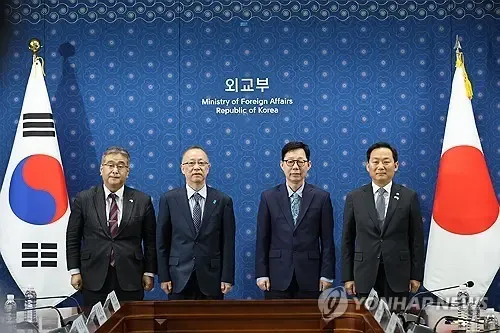
Japan sought to advance the logistics pact following a "two plus two" security meeting held in Seoul on Thursday .
Seoul's reluctance stems from concerns that an ACSA could allow Japan's Self-Defence Forces to operate on the Korean Peninsula .
Historical tensions from Japan's 1910–45 colonial rule of Korea remain a significant factor in Seoul's cautious stance.
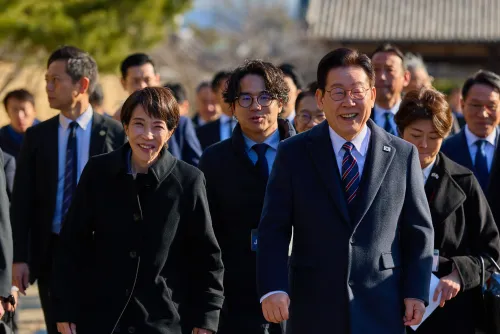
Diplomatic visits are being arranged — Japanese PM Sanae Takaichi is expected in Seoul in mid-May , and Defence Minister Shinjiro Koizumi may visit in June .
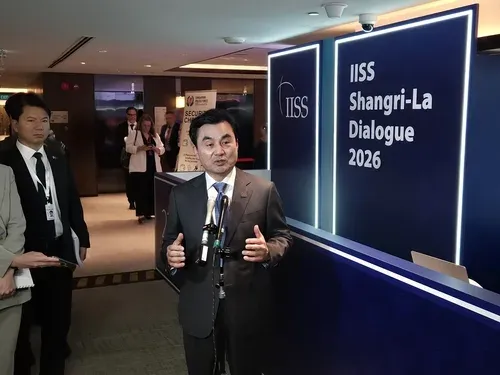
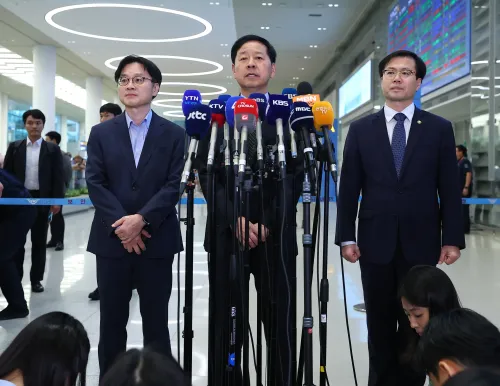
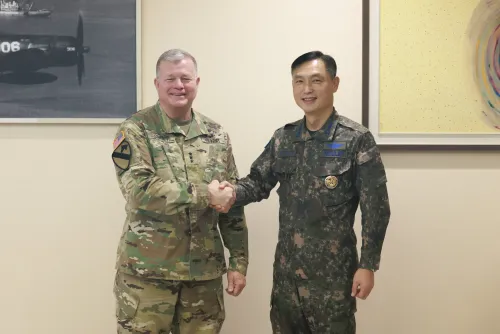
South Korea has ruled out signing a bilateral military logistics support agreement with Japan, a South Korean defence ministry official confirmed on Friday, 8 May, pushing back against reports that Tokyo was seeking to advance such a deal following a high-level security meeting in Seoul. The statement comes amid growing regional security pressures from North Korea and China.
What Is the ACSA and Why Japan Wants It
An Acquisition and Cross-Servicing Agreement (ACSA) is a bilateral pact — typically between the United States and its allies — that facilitates the sharing of logistics, supplies, and services such as food, fuel, and transportation during contingencies. Tokyo has been seeking to sign an ACSA with Seoul as a means to enhance bilateral military coordination and strengthen trilateral cooperation with the US, their mutual ally. According to Japanese newspaper Yomiuri Shimbun, Japan aims to make progress on this front in future talks following Thursday's
Point of View
But it underestimates how deeply the prospect of Japanese forces operating on the Korean Peninsula resonates in South Korean domestic politics. The scheduled visits by PM Takaichi and Defence Minister Koizumi may soften optics, but they are unlikely to shift Seoul's position on logistics formalisation anytime soon.
NationPress
24 Sept 2026
Frequently Asked Questions
What is an ACSA and why is Japan seeking one with South Korea?
An Acquisition and Cross-Servicing Agreement (ACSA) is a bilateral pact that allows allied militaries to share logistics, supplies, and services such as food, fuel, and transportation during contingencies. Japan is seeking an ACSA with South Korea to enhance bilateral military coordination and strengthen trilateral deterrence with the US against North Korean and Chinese threats.
Why is South Korea reluctant to sign the ACSA with Japan?
South Korea is cautious primarily because the agreement could potentially allow Japan's Self-Defence Forces to conduct operations on the Korean Peninsula. Historical grievances stemming from Japan's colonial rule of Korea from 1910 to 1945 also factor heavily into Seoul's guarded approach.
What was the 'two plus two' security meeting held in Seoul?
The two plus two meeting, held in Seoul on Thursday, was a high-level security dialogue involving defence and foreign vice ministers from both South Korea and Japan. It was the first such meeting elevated beyond the director-general-level dialogue that had been in place since 1998.
Are South Korea and Japan planning further diplomatic engagement?
Yes. Diplomatic sources indicate that Japanese Prime Minister Sanae Takaichi is expected to visit Seoul in mid-May for a summit, while Japanese Defence Minister Shinjiro Koizumi is also being discussed for a potential visit in June.
What did both sides agree on after the two plus two talks?
After the talks, Seoul's foreign ministry said both sides agreed to continue strengthening coordination and reaffirmed the growing importance of bilateral cooperation and their trilateral partnership with the United States.