Sacks Slams Democrats Over AI Pause Push as Build-Out Soars

Synopsis
White House AI and Crypto Czar David Sacks cited a Wall Street Journal report calling the U.S. AI build-out the biggest in American history, then accused Democrats of backing a pause or moratorium knowing it would damage the economy — a charge rooted in partisan AI governance tensions.
Key Takeaways
White House AI and Crypto Czar David Sacks posted on September 24, 2026 , citing a Wall Street Journal report calling the current U.S.
AI infrastructure build-out the largest in American history.
Sacks accused Democrats of advocating an AI pause or moratorium with awareness that doing so would 'wreck the U.S. economy,' framing their motive as partisan opposition to the Trump administration.
The debate echoes a March 2023 open letter that called for a six-month halt on training AI systems more powerful than GPT-4 — a push that never resulted in formal policy.
The Biden administration's October 2023 AI executive order on safety standards was the previous administration's most significant regulatory intervention in the space.
Under Trump's second term, Sacks has positioned AI deregulation and rapid infrastructure investment as a national competitiveness imperative, particularly against China.
Congressional responses to AI governance proposals and private-sector data-centre capex figures are the key indicators to watch in the weeks ahead.
The United States is in the middle of the biggest AI infrastructure build-out in its history — and White House AI and Crypto Czar David Sacks is drawing a sharp line between those racing to seize that moment and those he says would sabotage it for political gain. On Thursday, September 24, 2026, Sacks posted on X, citing a Wall Street Journal report on the unprecedented scale of American AI investment, before turning his fire directly on Democratic calls for a pause or moratorium on AI development.
The Accusation at the Heart of the Post
Sacks did not mince words. 'When Democrats advocate for a Pause or Moratorium, they know that would wreck the U.S. economy,' he wrote. 'But since it's the Trump economy, they're fine with that.' The framing is deliberate and combative: that opposition to AI expansion is not a principled safety argument but a partisan calculation — a willingness to inflict economic damage because the political credit would flow to a rival.
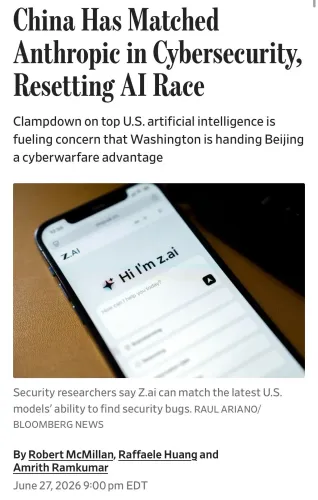
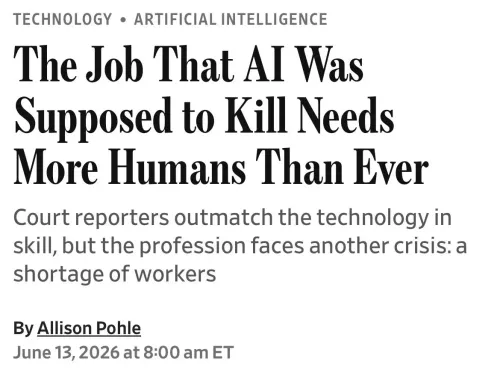
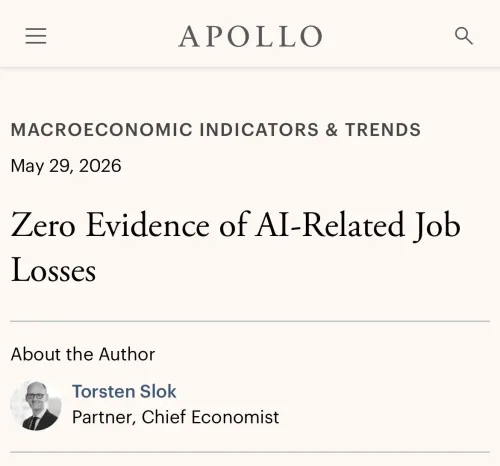
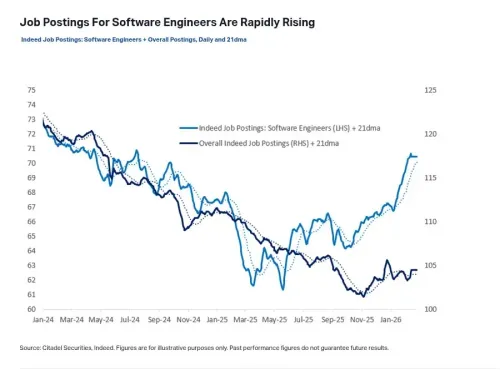
The post carries two images, suggesting supplementary data or headlines reinforcing the WSJ's scale claim. The underlying argument is straightforward — that a pause now, at this precise inflection point of investment, would hand momentum to rivals abroad and crater the economic engine that AI infrastructure represents.
The Pause Debate Sacks Is Reigniting
The call for an AI development pause is not new. Back in March 2023, a widely circulated open letter signed by researchers and technology executives urged a six-month halt on training AI systems more powerful than GPT-4, citing safety concerns. That letter did not trigger any formal moratorium, but it seeded a persistent regulatory instinct among some lawmakers and advocacy groups. The Biden administration's October 2023 executive order on AI safety and security standards was a softer expression of the same underlying caution.
Under the second Trump administration, that regulatory instinct has collided with an aggressive pro-build posture. Sacks, as AI and Crypto Czar, has been the administration's most visible voice arguing that American competitiveness — against China in particular — depends on speed, not caution. A moratorium, in this framing, is not a timeout. It is a unilateral disarmament.
Why the Scale of This Build-Out Makes the Stakes Unusually High
The WSJ's characterisation of the AI build-out as the biggest in U.S. history speaks to the sheer volume of private capital flowing into data centres, chips, and AI infrastructure during this period. Tech companies have committed hundreds of billions of dollars to capacity expansion, and the ripple effects — construction jobs, energy grid investment, semiconductor demand — touch sectors far outside Silicon Valley. Pausing that machine mid-cycle, critics of a moratorium argue, would not merely slow AI development; it would strand capital, delay contracts, and send a chilling signal to investors.
Sacks is betting that framing resonates well beyond the AI policy community — that 'wrecking the economy' is a message that lands in manufacturing towns and pension funds, not just server farms. Whether Congress reads it that way when the next AI governance debate arrives is the question his post is really asking.
Point of View
He shifts the burden of proof from 'is this safe?' to 'why do you want America to lose?' The political risk is real: if the AI build-out does generate visible jobs and growth, the 'pause' position becomes easier to caricature. The counter-risk, equally real, is that any high-profile AI safety incident mid-build-out would instantly revive the moratorium argument with new force.
NationPress
24 Sept 2026
Frequently Asked Questions
What did David Sacks say about Democrats and the AI moratorium?
Sacks accused Democrats of knowing that an AI pause or moratorium would damage the U.S. economy but supporting it anyway because the economic gains belong to the Trump administration.
What is the AI pause that Sacks is referring to?
The idea of pausing AI development gained traction in March 2023, when a widely-signed open letter called for a six-month halt on training systems more powerful than GPT-4. Some Democratic lawmakers have since floated similar proposals in Congressional debates.
What is David Sacks' role in the Trump administration?
David Sacks serves as the White House AI and Crypto Czar in the second Trump administration. He is also the co-founder of Craft Ventures and a co-host of the All-In Podcast.
Why is the U.S. AI build-out considered the biggest in American history?
A Wall Street Journal report cited by Sacks describes the current wave of data-centre construction, chip procurement, and AI infrastructure investment as the largest in U.S. history, driven by massive private-sector capital commitments from major technology companies.
What would an AI moratorium mean for the U.S. economy?
Proponents of rapid AI development argue a moratorium would strand billions in committed capital, delay infrastructure contracts, suppress semiconductor demand, and signal to global investors that the U.S. is pulling back — potentially ceding ground to competitors.