How Do New Sanctions Affect Russia-US Relations?
Synopsis
The Kremlin has voiced concerns that recent sanctions against Russia complicate the revival of US relations. Spokesperson Dmitry Peskov stresses the importance of continuing diplomatic efforts despite these challenges. As tensions rise over the Ukraine conflict, can effective dialogue still be achieved? Explore the complexities of international diplomacy in the current climate.
Key Takeaways
New sanctions against Russia complicate US relations.
Diplomatic efforts are still being pursued despite tensions.
Russia expresses interest in resolving the Ukraine conflict.
Future meetings depend on guarantees of positive outcomes.
International reactions vary on the sanctions imposed.
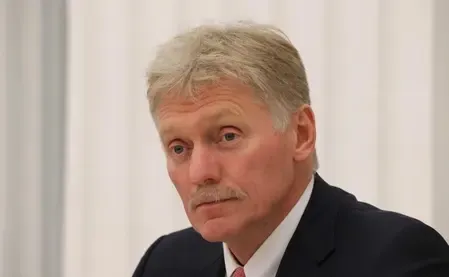
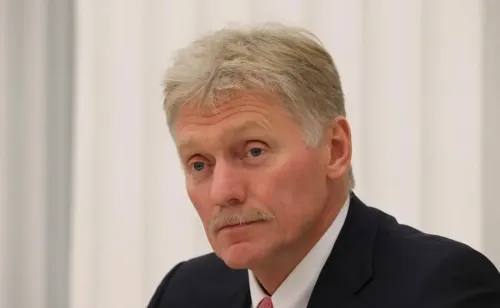
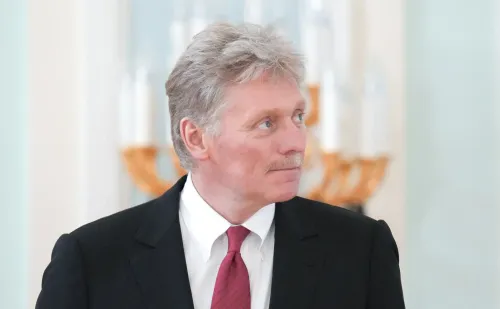
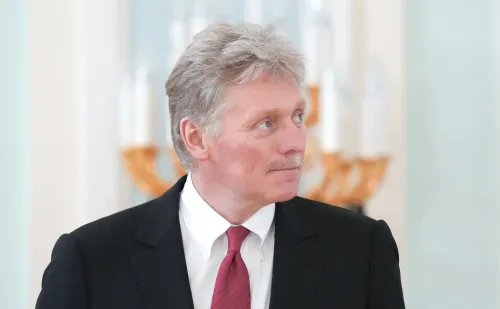
Moscow, October 27 (NationPress) Recently imposed sanctions on Russia have made the task of mending ties with the United States significantly more challenging, as stated by Kremlin Spokesman Dmitry Peskov.
"Naturally, the measures enacted this week represent an unfriendly act. These actions have seriously harmed the prospects for revitalizing our relationship, yet it does not signify that we should abandon our goals," Peskov remarked in a media briefing on Sunday regarding the sanctions.
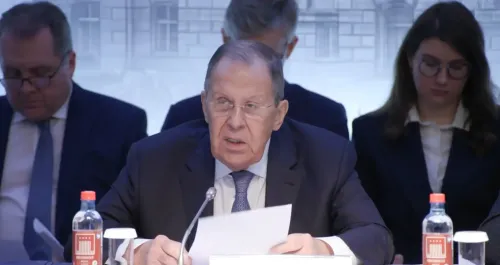
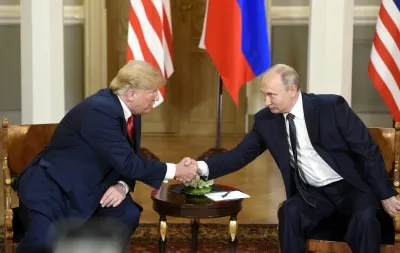
In a conversation with a Russian news outlet on Telegram, Peskov expressed that Putin and Trump cannot merely convene for the sake of having a meeting, which is why they have assigned Foreign Minister Sergey Lavrov and Secretary of State Marco Rubio the task of preparation, as reported by Xinhua news agency.
"The journey is intricate. A considerable amount of groundwork needs to be laid before we can establish a foundation for such a new summit," he emphasized.
Peskov also highlighted that Russia is keen on fostering positive relations with all nations, including the US.
The spokesperson acknowledged Putin's appreciation for Trump's intention to seek a resolution to the Ukraine conflict, but stressed that such issues "cannot be resolved overnight."
This past Wednesday, US Treasury Secretary Scott Bessent declared sanctions against Rosneft and Lukoil, the two largest oil producers in Russia, urging for an immediate ceasefire and indicating the White House is ready to implement further actions if deemed necessary.
Since the beginning of the Russia-Ukraine conflict in February 2022, the US and its allies have enforced several rounds of financial and trade sanctions targeting Russian banks, defense industries, and energy exports.
Earlier this week, Trump announced the cancellation of a planned summit with Putin in Budapest because it "didn’t feel right" to him, expressing his dissatisfaction with the lack of progress in negotiations aimed at ending the war in Ukraine.
White House Spokeswoman Karoline Leavitt later clarified that the meeting "is not completely off the table," but they aim to ensure there is a "concrete positive outcome."
While traveling to Malaysia for the 47th ASEAN summit on Saturday, Trump stated he would only consider rescheduling a meeting with Putin if there are guarantees that a deal could be achieved to conclude the ongoing conflict.
Peskov remarked that labeling the Budapest meeting as "cancelled" would not be accurate since there was no definitive agreement on a date for the summit.
Putin informed reporters in Moscow on Thursday that the US President "most likely" referred to postponing the meeting.
The Kremlin spokesperson also reiterated Putin's assertion that Russia's response to long-range Ukrainian attacks on its territory would be "very strong, if not overwhelming."
Point of View
We uphold a balanced perspective on international relations. The ongoing sanctions against Russia introduce complexities to diplomatic endeavors with the US, yet there remains a commitment to dialogue and resolution. It is essential for nations to navigate these challenges with a focus on constructive engagement, even amid rising tensions.
NationPress
2 Oct 2026
Frequently Asked Questions
What are the new sanctions imposed on Russia?
The recent sanctions target major Russian oil producers, including Rosneft and Lukoil, and aim to address the ongoing conflict in Ukraine.
How do these sanctions affect US-Russia relations?
The sanctions complicate efforts to restore diplomatic ties, as they are seen as unfriendly actions that hinder progress.
Can a meeting between Trump and Putin still happen?
While the planned summit was cancelled, the White House indicated that there is still potential for future discussions if tangible outcomes can be guaranteed.
What is Russia's response to the situation in Ukraine?
Russia asserts that it is interested in resolving the Ukraine conflict, but emphasizes that such resolutions cannot be achieved overnight.
What has been the international reaction to the sanctions?
The sanctions have been met with mixed responses internationally, with some countries supporting the measures while others call for diplomatic engagement.