Saudi airstrikes hit Yemen's Hodeidah as coalition-Houthi clashes intensify
Synopsis
Saudi warplanes struck Hodeidah as Houthi officials logged the cumulative toll at 5,500 coalition strikes since the latest escalation began — while the coalition simultaneously intercepted drones and ballistic missiles aimed at Riyadh. With neither side showing restraint, Yemen's critical Red Sea port city is once again at the epicentre of a conflict with no ceasefire in sight.
Key Takeaways
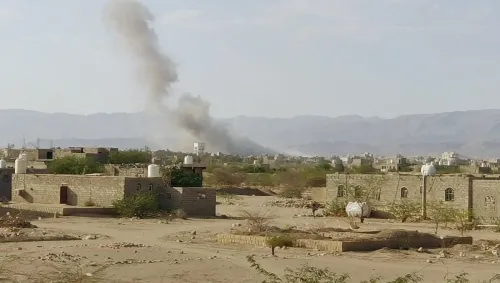
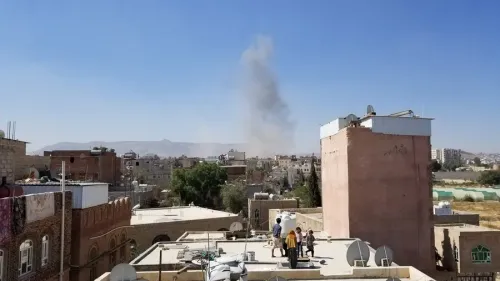
Saudi warplanes struck Hodeidah , Yemen's key Red Sea port, on Saturday evening, 22 November .
Houthi spokesperson Yahya Sarea claimed 71 strikes across eight provinces in the preceding 24 hours and a cumulative total of 5,500 coalition strikes since the renewed escalation began.
The Saudi-led coalition intercepted three ballistic missiles and a drone targeting Riyadh on the same day.
A local resident reported hearing more than five powerful explosions as warplanes flew overhead over Hodeidah.
Yemen's conflict dates to 2014–15 ; Hodeidah remains critical as the main entry point for humanitarian aid and fuel.
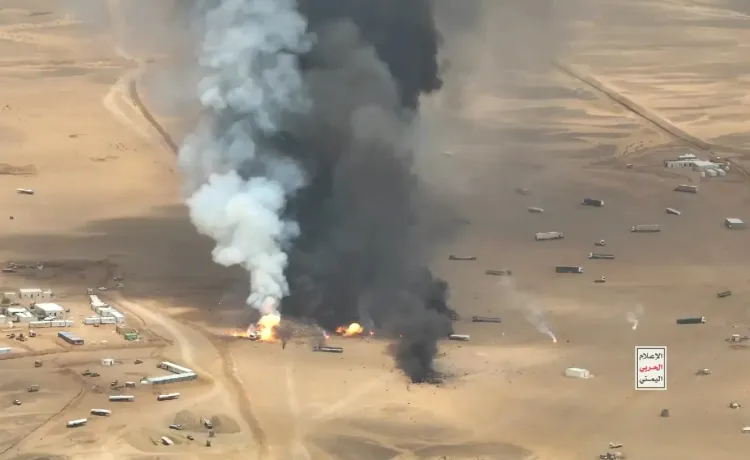
Saudi warplanes launched a series of airstrikes on Yemen's Red Sea port city of Hodeidah on Saturday evening, 22 November, according to Houthi-run al-Masirah TV, which described the attacks as 'Saudi aggression' without providing details on casualties or damage. The strikes mark a fresh escalation in a conflict that has now dragged on for over a decade.
Strikes on Hodeidah and Eyewitness Accounts
A local resident told reporters that more than five powerful explosions rocked the city as warplanes continued flying overhead. 'The blasts were extremely loud, and we could still hear aircraft above us,' the resident said. Hodeidah, a critical Red Sea port, has repeatedly been a flashpoint in the Yemen conflict due to its strategic importance for humanitarian aid and fuel imports.
Houthi Claims: 5,500 Strikes Since Renewed Escalation
Houthi military spokesperson Yahya Sarea said in a statement posted on social media platform X that Saudi warplanes and missiles had carried out 71 strikes across eight Yemeni provinces in the preceding 24 hours, causing casualties. Sarea added that the latest attacks brought the total number of airstrikes and missile attacks attributed to Saudi Arabia to 5,500 since the renewed military escalation began. The figures could not be independently verified.
Saudi Coalition Intercepts Drones and Ballistic Missiles
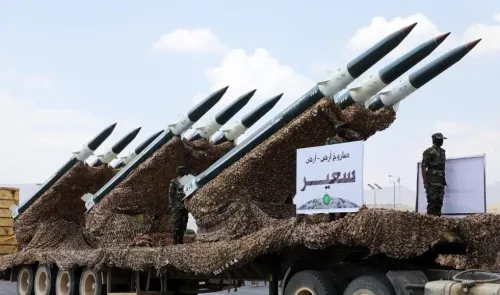
Saudi-led coalition spokesperson Turki al-Maliki said on X on Saturday that coalition forces had intercepted and destroyed a drone launched by the Houthi group towards the Riyadh region. Earlier the same day, the coalition announced it had intercepted three ballistic missiles launched by Houthis towards the Saudi capital Riyadh, as well as a separate drone aimed at the kingdom's southern region. The Houthis have in recent days also claimed repeated missile and drone strikes on Saudi airports and oil facilities.
A Conflict With Deep Roots
Yemen has been engulfed in war since late 2014, when the Houthis seized Sanaa and much of northern Yemen. That prompted a Saudi-led military intervention in 2015 in support of Yemen's internationally recognised government. The conflict has since evolved into one of the world's worst humanitarian crises, with Hodeidah frequently at the centre of fighting given its role as the entry point for the bulk of Yemen's food and aid imports. This latest escalation follows a pattern of intensifying cross-border strikes and counter-strikes that have repeatedly derailed ceasefire efforts.
What Comes Next
Analysts warn that the surge in strikes on both sides raises the risk of a wider regional conflagration, particularly as Houthi drone and missile capabilities have demonstrably improved. International mediators, including the United Nations, have repeatedly called for a return to the negotiating table, but no fresh diplomatic breakthrough appears imminent. The situation in Hodeidah will be closely watched, as any prolonged port disruption could worsen Yemen's already catastrophic food security crisis.
Point of View
500 strikes claimed since renewed escalation, 71 in a single day, three ballistic missiles intercepted over Riyadh in one afternoon — signals this is not a localised flare-up but a sustained and intensifying military campaign on both sides. What mainstream coverage often underweights is the economic warfare dimension: Hodeidah is not just a symbolic target, it is the chokepoint through which most of Yemen's food and humanitarian supplies flow, and its sustained disruption has consistently been the conflict's most potent humanitarian multiplier. The coalition's ability to intercept drones and ballistic missiles over Riyadh has improved, but the Houthis' demonstrated willingness to strike the Saudi heartland changes the political calculus for Riyadh in ways that battlefield gains alone cannot resolve. A negotiated path remains elusive as long as both sides believe escalation serves their strategic position.
NationPress
22 Nov 2026
Frequently Asked Questions
Why did Saudi Arabia strike Hodeidah?
Saudi warplanes struck Yemen's Red Sea port city of Hodeidah on 22 November as part of ongoing coalition military operations against Houthi forces, according to Houthi-run al-Masirah TV. The strikes are part of a broader renewed escalation in which the Houthi side claims over 5,500 coalition strikes have occurred.
What did the Houthis claim about the scale of strikes?
Houthi military spokesperson Yahya Sarea said coalition forces conducted 71 strikes across eight Yemeni provinces in the 24 hours preceding Saturday's Hodeidah attack, bringing the cumulative total since renewed escalation to 5,500. These figures could not be independently verified.
Did Saudi Arabia face any attacks on the same day?
Yes. The Saudi-led coalition announced it intercepted three ballistic missiles launched by Houthis towards Riyadh, as well as a drone aimed at Riyadh and a separate drone targeting the kingdom's southern region, all on the same day as the Hodeidah strikes.
Why is Hodeidah significant in the Yemen conflict?
Hodeidah is Yemen's most important Red Sea port and the primary entry point for the country's food imports and humanitarian aid. Control over or disruption of the port has been a central strategic objective for both sides throughout the conflict and has repeatedly been linked to Yemen's worsening humanitarian crisis.
How long has the Yemen war been going on?
Yemen has been in conflict since late 2014, when Houthi forces seized the capital Sanaa and much of northern Yemen. Saudi Arabia led a military intervention in 2015 to restore the internationally recognised government, and fighting has continued in various forms since then, making it one of the world's longest-running and most devastating conflicts.