Houthis threaten Saudi power plant, Red Sea ports and Riyadh financial hub
Synopsis
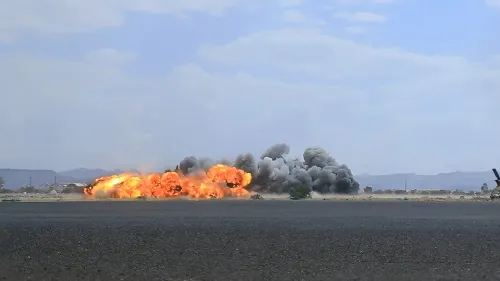
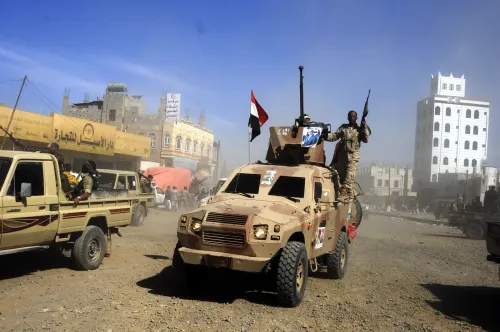
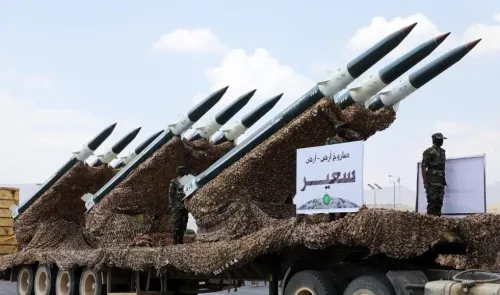
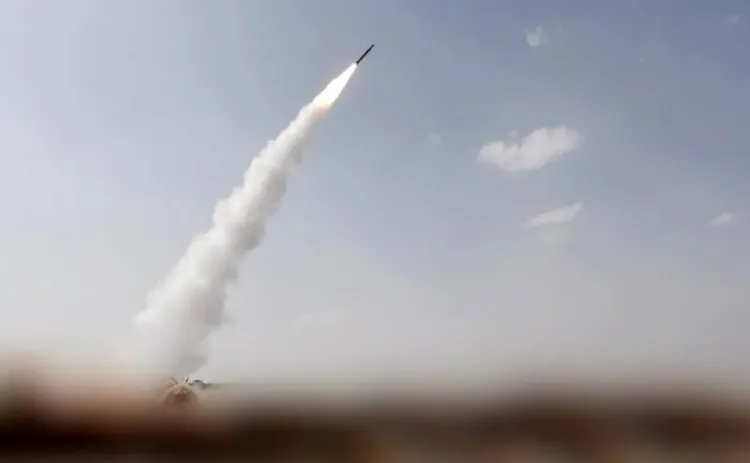
In one of its most expansive escalation packages in recent memory, Yemen's Houthi group has simultaneously threatened a Saudi power plant, all Red Sea ports, a Riyadh financial centre, and declared Saudi airspace a combat zone — while the Saudi-led coalition intercepted two drones and a ballistic missile in the same day. The Red Sea's role as a global trade artery makes this standoff far more than a bilateral conflict.
Key Takeaways
Houthi spokesperson Yahya Saree threatened the Al-Shuqaiq power plant in Jazan and a financial centre in Riyadh on 20 November .
Saree warned Jeddah and all Saudi Red Sea ports would be targeted if Saudi Arabia struck Hodeidah .
Saudi airspace declared 'unsafe' for aviation, excluding airspace over Mecca and Medina .
The Saudi-led coalition intercepted two drones targeting Riyadh and the south, plus a ballistic missile and three drones earlier in the day.
Civilians and port workers urged to evacuate Hodeidah by the coalition spokesperson Turki al-Maliki .
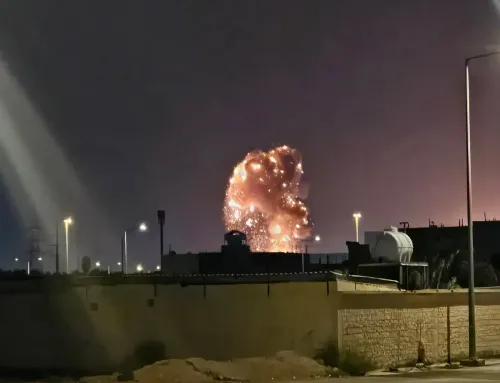
Yemen's Houthi group on Friday, 20 November issued a sweeping set of military threats against Saudi Arabia, targeting a major power plant, Red Sea ports including Jeddah, and a financial centre in Riyadh, while simultaneously declaring Saudi airspace unsafe for commercial aviation. The escalation marks one of the most expansive cross-border threat packages the Iran-aligned group has issued in recent months.
Specific Targets Named
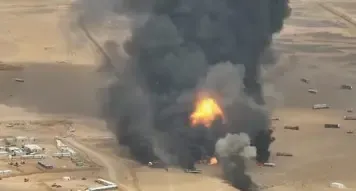
Houthi military spokesperson Yahya Saree warned in statements posted on social media platform X that the Al-Shuqaiq power plant in the southwestern Jazan region and an unspecified financial centre in Riyadh would become military targets. He called on employees, workers, and nearby residents to evacuate 'immediately.' In a separate statement earlier in the day, Saree warned that Jeddah and 'all Saudi ports along the Red Sea coast' would face strikes if Saudi Arabia proceeded with its own threatened airstrikes on Hodeidah.
Airspace Warning and Airline Alert
Saree also declared Saudi airspace 'unsafe,' stating it would become a theatre of Houthi military operations 'in the coming hours.' The warning explicitly excluded airspace over the holy cities of Mecca and Medina. Shipping companies were urged to withdraw vessels from the threatened ports, raising immediate concerns about supply chain disruptions across the Red Sea corridor — one of the world's busiest maritime trade routes.
Saudi Coalition Response
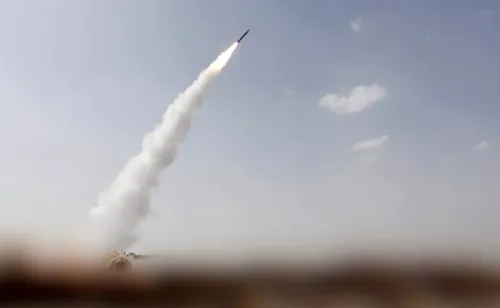
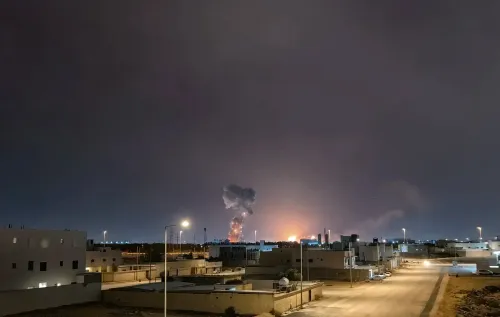
The Saudi-led coalition spokesperson Turki al-Maliki announced on Friday via X that coalition forces had intercepted and destroyed two drones launched by the Houthis toward Riyadh and the kingdom's southern region. Earlier in the day, the coalition said it had also intercepted a ballistic missile and three additional drones aimed at the southern region. Al-Maliki separately instructed civilians to evacuate Hodeidah port 'for their safety.'
What Triggered the Threats
Saree described the threatened attacks as retaliation for what he characterised as Saudi strikes on power stations in Yemen's northern Saada province and the Red Sea coastal city of Mocha in southwestern Taiz province. The Houthis have consistently framed their cross-border strikes as defensive responses to coalition air operations — a cycle of action and counter-threat that has defined the conflict since 2015.
Hodeidah's Strategic Significance
Hodeidah, a major Red Sea port currently under Houthi control, is a vital gateway for food, fuel, and humanitarian supplies into war-ravaged Yemen. Any sustained disruption to the port risks worsening what the United Nations has repeatedly described as one of the world's worst humanitarian crises. This comes amid renewed international concern about Red Sea shipping security, with Houthi drone and missile activity having already rattled global freight markets this year.
With both sides escalating threats and the coalition actively intercepting projectiles, the situation along the Yemen-Saudi border remains highly volatile, and further developments are expected in the hours ahead.
Point of View
All Red Sea ports, a Riyadh financial hub, and an airspace declaration — signals a deliberate escalation strategy rather than a tactical response. By coupling civilian evacuation calls with military warnings, the Houthis are maximising economic and psychological pressure on Riyadh. The coalition's same-day interception of a ballistic missile and five drones confirms this is an active exchange, not posturing. What mainstream coverage risks underplaying is the Red Sea dimension: Hodeidah's disruption would amplify a shipping crisis already straining global freight, and that consequence extends well beyond the Yemen-Saudi bilateral.
NationPress
20 Nov 2026
Frequently Asked Questions
What did the Houthis threaten on 20 November?
The Houthi group threatened to strike the Al-Shuqaiq power plant in Saudi Arabia's Jazan region, a financial centre in Riyadh, and all Saudi Red Sea ports including Jeddah. They also declared Saudi airspace unsafe for commercial aviation, with an exemption for Mecca and Medina.
Why are the Houthis threatening Saudi Arabia now?
Houthi spokesperson Yahya Saree described the threats as retaliation for what he characterised as Saudi strikes on power stations in Yemen's Saada province and the coastal city of Mocha in Taiz province. The pattern of retaliatory escalation has persisted since the conflict began in 2015.
How did the Saudi-led coalition respond?
The coalition announced it intercepted and destroyed two drones aimed at Riyadh and the southern region, as well as a ballistic missile and three additional drones earlier the same day. Coalition spokesperson Turki al-Maliki also instructed civilians to evacuate Hodeidah port for their safety.
Why is Hodeidah significant?
Hodeidah is a major Red Sea port under Houthi control that serves as the primary entry point for food, fuel, and humanitarian aid into Yemen. Any disruption to the port would deepen what the United Nations has called one of the world's worst ongoing humanitarian crises.
Is Saudi airspace currently safe for airlines?
The Houthis declared Saudi airspace a theatre of military operations 'in the coming hours' as of Friday, 20 November, excluding the holy cities of Mecca and Medina. Airlines using the airspace should monitor official advisories, as the Saudi-led coalition has not issued a corresponding civilian flight ban.