Houthis claim six missile, drone strikes on Saudi oil, airports, military
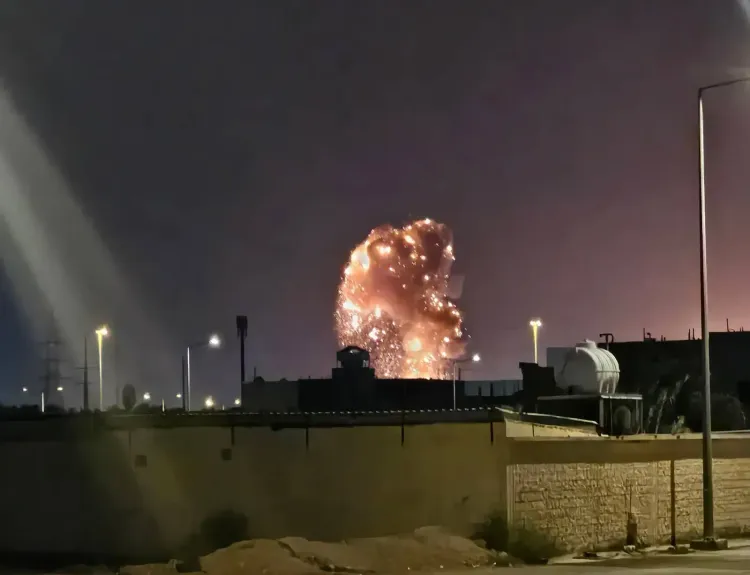
Synopsis
Yemen's Houthis claimed a sweeping six-strike salvo on 30 October targeting Saudi Arabia's crown jewels — the Ras Tanura refinery, Aramco's Abqaiq complex, two international airports, and a military command centre in Najran. Saudi air defences confirmed intercepting three ballistic missiles, but the strikes signal a sharp new escalation in a war that has ground on since 2014.
Key Takeaways
The Houthi group claimed six missile and drone attacks on Saudi targets on 30 October .
Strikes allegedly targeted the Ras Tanura refinery , Saudi Aramco facilities in Abqaiq , and the Rabigh refinery .
King Khalid International Airport (Riyadh) and King Fahd International Airport (Dammam) were also claimed targets.
The Saudi-led coalition confirmed intercepting three ballistic missiles — two toward Riyadh and one toward the Eastern Province.
Houthis alleged 27 people were killed in Saudi airstrikes on Houthi-held Yemen, an unverified claim.
The conflict traces back to 2014 , with the Saudi-led coalition intervening in 2015 .
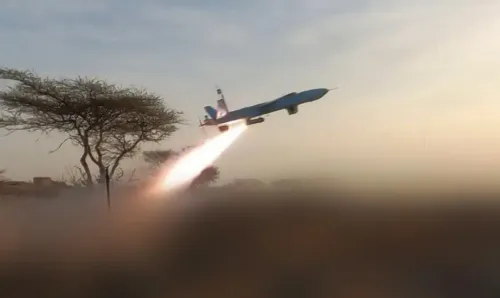
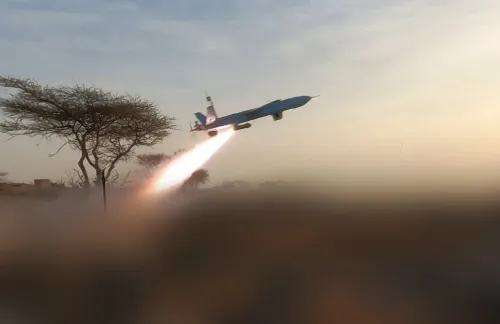
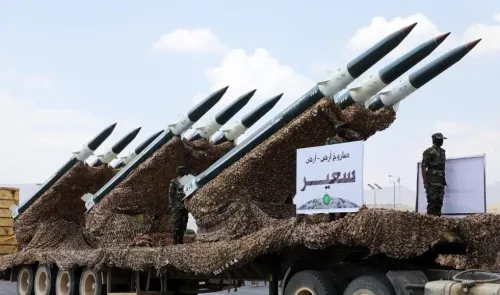
Yemen's Houthi group claimed on 30 October that it had carried out six coordinated missile and drone attacks against oil infrastructure, international airports, and a military command centre across Saudi Arabia, in what the group described as retaliation for recent Saudi airstrikes on Houthi-held territory. The announcement was made by Houthi military spokesman Yahya Sarea in a televised statement broadcast on Houthi-run al-Masirah TV.
Key Targets Claimed
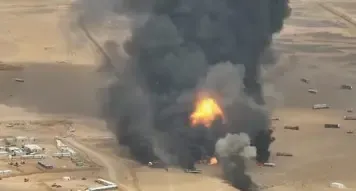
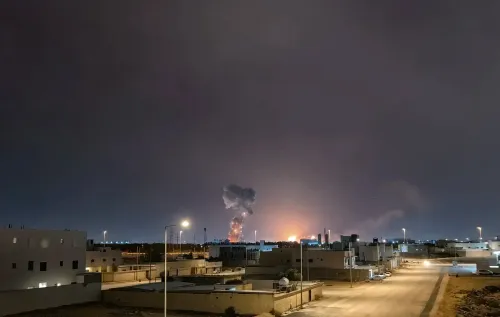
According to Sarea, three ballistic missile strikes targeted the Ras Tanura refinery and Saudi Aramco facilities in Abqaiq — both in Saudi Arabia's Eastern Province — as well as the Rabigh refinery on the country's Red Sea coast. Ras Tanura and Abqaiq together form one of the world's most critical nodes in global crude oil processing and export.
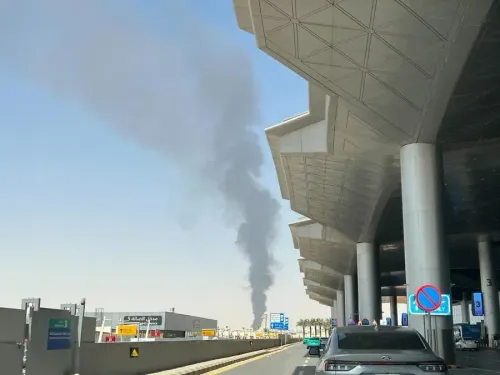
Two further operations reportedly targeted King Khalid International Airport in the Saudi capital Riyadh with missiles, and King Fahd International Airport in Dammam, Eastern Province, with a drone. Sarea claimed the Dammam strike disrupted air traffic, though this could not be independently verified.
A sixth operation, according to Sarea, struck what he described as a command centre for Saudi military forces in the southern border region of Najran. He alleged the strike caused casualties among soldiers and officers — a claim that, like the others, has not been independently confirmed.
Saudi Air Defences Respond
The Saudi-led coalition confirmed on Thursday evening that its air defences had intercepted and destroyed two ballistic missiles launched toward Riyadh. An earlier coalition statement said a total of three Houthi ballistic missiles had been intercepted — two aimed at Riyadh and one at the Eastern Province. The coalition did not confirm whether the other claimed strikes caused damage.
Houthis Report Saudi Casualties in Yemen
Separately, the Houthis stated that Saudi airstrikes on Houthi-held areas in Yemen killed 27 people. This figure has not been independently verified. The exchanges illustrate the tit-for-tat escalation that has defined the conflict in recent weeks, with both sides absorbing and inflicting strikes across the border.
Background: A Conflict in Its Second Decade
Yemen has been engulfed in civil war since late 2014, when the Houthis seized the capital Sanaa and swept through much of northern Yemen. The Saudi-led coalition intervened in 2015 in support of the internationally recognised Yemeni government. Despite intermittent peace talks and a UN-brokered truce in 2022, the conflict has never fully halted, and cross-border strikes have periodically intensified. This is among the most extensive claimed Houthi strike packages targeting Saudi energy and aviation assets in recent months.
With global oil markets sensitive to disruptions at facilities like Abqaiq — which was itself targeted in a major drone and missile attack in 2019 — the latest round of strikes will be closely monitored by energy traders and regional security analysts alike.
Point of View
An Aramco hub, two international airports, and a military command centre in a single operation — is a significant escalation in Houthi ambition, whatever the actual damage. Abqaiq's appearance on the target list is a deliberate signal: the facility's 2019 strike briefly took out five percent of global oil supply and rattled energy markets worldwide. Riyadh has every incentive to keep coalition air defences on the front page to deter copycat escalation, but the Houthis appear to be betting that a high-tempo strike tempo raises the cost of continued Saudi involvement. The conflict is entering its twelfth year with no political settlement in sight, and international fatigue means fewer external guardrails on either side.
NationPress
30 Oct 2026
Frequently Asked Questions
What did the Houthis claim to have attacked in Saudi Arabia on 30 October?
The Houthis claimed six missile and drone strikes on Saudi Arabia on 30 October, targeting the Ras Tanura refinery, Saudi Aramco facilities in Abqaiq, the Rabigh refinery, King Khalid International Airport in Riyadh, King Fahd International Airport in Dammam, and a military command centre in Najran. All claims are yet to be independently verified.
How did Saudi Arabia's air defences respond?
The Saudi-led coalition confirmed its air defences intercepted and destroyed three Houthi ballistic missiles — two aimed at Riyadh and one at the Eastern Province. The coalition did not confirm whether any other claimed strikes caused damage to their targets.
Why did the Houthis say they launched these attacks?
Houthi military spokesman Yahya Sarea said the strikes were launched in response to recent Saudi airstrikes on Houthi-held areas in Yemen. The Houthis also alleged that those Saudi strikes killed 27 people, a figure that has not been independently confirmed.
Why are the Abqaiq and Ras Tanura facilities significant?
Abqaiq and Ras Tanura are among the world's most critical oil processing and export hubs, operated by Saudi Aramco. A major strike on Abqaiq in 2019 temporarily disrupted roughly five percent of global oil supply, demonstrating how attacks on these facilities can move international energy markets.
How long has the Yemen conflict been going on?
Yemen's civil war began in late 2014 when the Houthis seized the capital Sanaa and much of northern Yemen. The Saudi-led coalition intervened in 2015 to support the internationally recognised Yemeni government. The conflict has continued for over a decade despite intermittent peace talks and a UN-brokered truce.