US senator proposes $140,000 H-1B wage floor to close 1998 loophole
Synopsis
A US senator wants to more than double the H-1B salary exemption threshold — from a $60,000 figure frozen since 1998 to nearly $140,000 — by tying it to a live wage index. If passed, the change would force H-1B-heavy employers to genuinely compete on wages before bypassing American hiring rules, with major implications for Indian tech professionals who dominate the visa category.
Key Takeaways
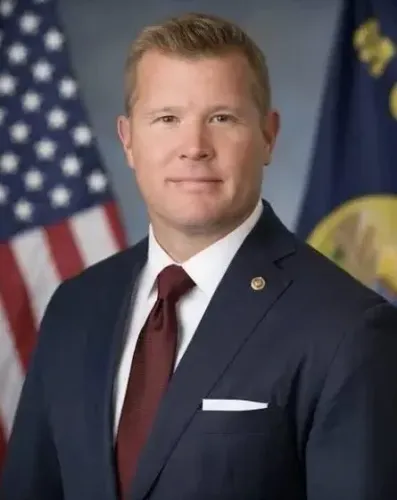
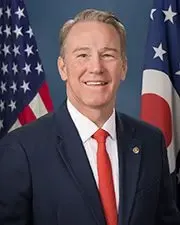
Senator Jon Husted of Ohio introduced the Protecting American Workers Through H-1B Modernization Act on 7 October 2026 .
The bill would replace the fixed $60,000 H-1B salary exemption threshold — unchanged since 1998 — with a dynamic formula set at twice the Social Security Administration's National Average Wage Index .
Since the National Average Wage Index now stands at nearly $70,000 , the effective new threshold would be approximately $140,000 .
The exemption currently allows H-1B dependent employers to skip the requirement to first seek American workers, if the foreign hire earns at least $60,000 or holds a master's degree.
The threshold has not been adjusted for inflation or wage growth since its creation 28 years ago .
Indian technology professionals are the largest single national group among H-1B visa holders and would be most directly affected if the bill passes.
A Republican US senator has introduced legislation that would sharply raise the H-1B visa salary exemption threshold from $60,000 to nearly $140,000, targeting a wage floor that critics argue has not been updated in nearly three decades and has allowed companies to bypass requirements meant to protect American workers.
The Legislation and What It Proposes
Senator Jon Husted of Ohio introduced the Protecting American Workers Through H-1B Modernization Act on Tuesday, 7 October 2026. The bill would replace the fixed $60,000 salary threshold — unchanged since 1998 — with a dynamic formula tied to twice the Social Security Administration's National Average Wage Index. Since that index now stands at nearly $70,000, applying the original formula would push the effective threshold to approximately $140,000.
Crucially, the new formula would adjust automatically as US wages rise, removing the need for Congress to periodically revise a fixed dollar figure through fresh legislation.
What the Threshold Exemption Means
Under existing law, H-1B dependent employers — companies where H-1B workers constitute more than a specified share of their overall workforce — are generally required to attest that they first attempted to hire American workers before sponsoring additional foreign professionals under the programme. However, employers are presently exempt from that requirement if an H-1B worker earns at least $60,000 annually or holds a master's degree or higher. Husted's bill specifically targets the salary exemption.
'For decades, companies have been able to sidestep hiring American workers because of a salary threshold that hasn't budged since 1998. That's not modernization, that's a loophole,' Husted said. He added that the legislation 'simply asks that when a company is heavily reliant on these visas and wants to bring in more H-1B workers, they shouldn't be relying on an outdated law to get around offering these jobs to qualified American workers first.'
Why the Threshold Is So Outdated
The $60,000 figure was set in 1998 and was originally intended to represent twice the Social Security Administration's National Average Wage Index at the time, according to Husted's office. It has not been subsequently adjusted for inflation or wage growth over the nearly 28 years since. This is a point that both supporters and critics of the H-1B programme have long flagged as a structural flaw, though legislative momentum to address it has repeatedly stalled.
The Broader H-1B Debate
The H-1B programme is widely used by technology companies and other US employers to recruit foreign professionals for specialised roles. Supporters contend that it helps American businesses access specialised talent that is difficult to source domestically, while critics argue that elements of the programme can be used to bring in lower-cost foreign workers at the expense of American employees.
The programme, and specifically its salary provisions, has been a recurring subject of political debate in Washington. This latest bill arrives as scrutiny of immigration-linked labour market dynamics has intensified on both sides of the aisle. 'American workers should always come first, and this bill closes an outdated loophole that lets companies bypass them,' Husted said.
What Happens Next
The bill has been introduced in the Senate but has not yet been scheduled for committee consideration. Whether it gathers bipartisan support will depend partly on how the technology industry — among the heaviest users of the H-1B programme — responds to the proposed wage floor increase. The outcome could have significant implications for Indian technology professionals, who represent the largest single national group among H-1B visa holders.
Point of View
The stakes are high: a $140,000 floor would disqualify a large cohort of mid-level H-1B roles from the exemption, effectively compelling dependent employers to either raise wages or face the full weight of American-hiring attestation requirements. What mainstream coverage often misses is that the bill does not abolish the programme or even touch the cap — it simply closes the inflation gap that three decades of legislative inaction created.
NationPress
7 Oct 2026
Frequently Asked Questions
What is the H-1B salary threshold bill introduced by Senator Jon Husted?
It is the Protecting American Workers Through H-1B Modernization Act, introduced on 7 October 2026, which would replace the fixed $60,000 H-1B salary exemption threshold with a dynamic formula tied to twice the Social Security Administration's National Average Wage Index — currently putting the effective threshold at nearly $140,000. The bill targets H-1B dependent employers who use the existing salary exemption to bypass requirements to first hire American workers.
Why has the $60,000 H-1B threshold not changed since 1998?
The $60,000 figure was set by Congress in 1998 to represent twice the Social Security Administration's National Average Wage Index at the time, but no mechanism was built in to adjust it automatically for inflation or wage growth. Successive Congresses did not legislate an update, leaving the threshold effectively frozen for nearly 28 years.
Who would be affected if the H-1B wage threshold rises to $140,000?
H-1B dependent employers — companies where H-1B workers make up more than a specified share of the workforce — would bear the direct impact. These are often technology firms that rely heavily on the visa programme. Indian technology professionals, who constitute the largest national group among H-1B holders, would be most significantly affected, as many mid-level roles currently paid between $60,000 and $140,000 would lose the salary exemption.
How does Senator Husted's bill differ from a simple salary increase?
Rather than setting a new fixed dollar amount, the bill proposes a dynamic formula: twice the Social Security Administration's National Average Wage Index, recalculated periodically. This means the threshold would rise automatically as US wages grow, removing the need for Congress to pass fresh legislation each time an adjustment is needed.
What are supporters and critics of the H-1B programme saying?
Supporters of the H-1B programme argue that it helps US employers access specialised talent that is difficult to recruit domestically, sustaining competitiveness in technology and other high-skill sectors. Critics, including Senator Husted, contend that an outdated salary threshold has allowed some companies to bypass hiring qualified American workers first, framing the current exemption as a corporate loophole rather than a genuine skills-gap solution.