South Korea seeks UK exemption on Russian LNG sanctions over energy security
Synopsis
South Korea is asking Britain for the same Russian LNG sanctions carve-out the EU already granted — and the clock is ticking. With KOGAS locked into a Sakhalin-II supply contract until March 2028 and UK maritime and insurance bans set for January 2027, Seoul's energy planners are running out of runway. Britain's answer will signal how flexible the Western sanctions coalition is willing to be for non-EU allies.
Key Takeaways
Trade Minister Yeo Han-koo asked Britain on 6 August to exempt South Korean Russian LNG imports from UK sanctions taking effect January 2027 .
State-run KOGAS holds a long-term LNG supply contract with the Sakhalin-II project through March 2028 that could be disrupted.
The EU granted a similar exemption for Sakhalin-II shipments to South Korea and Japan last month.
Britain on 1 July also cut steel import quotas by nearly half and imposed a 50% tariff on excess shipments — Seoul urged a fairer quota allocation.
South Korea's duty-free steel quota rose to 173,000 tons but covered categories expanded from 4 to 9 , tightening effective access.
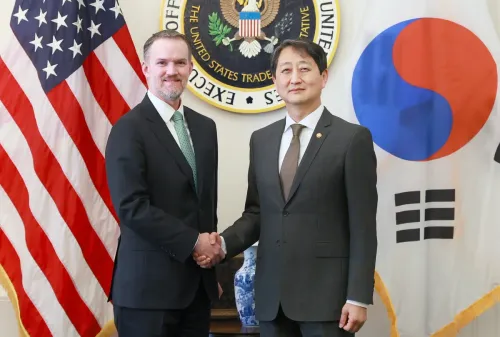
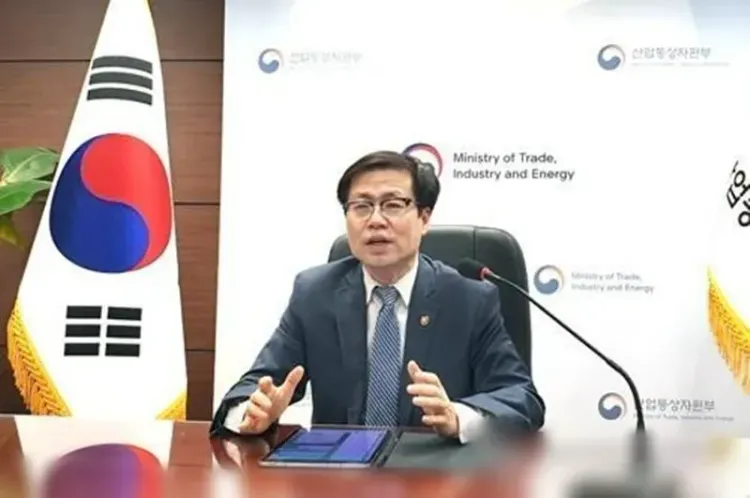
South Korea's Trade Minister Yeo Han-koo on Thursday, 6 August formally requested Britain to exempt Seoul's imports of Russian Liquefied Natural Gas (LNG) from upcoming UK sanctions, citing risks to South Korea's energy security and the stability of its LNG supply chain. The appeal was made during a video meeting with Britain's newly appointed Minister for Trade Anas Sarwar, according to a press release from South Korea's Ministry of Trade, Industry and Energy.
What Seoul Is Asking For
At the heart of the request is Britain's plan to ban the provision of maritime transport, insurance, and related services for Russian LNG starting January 2027. Yeo warned that the measure, if applied without an exemption, 'could undermine South Korea's energy security and the stability of its LNG supply.'
The most immediate concern involves state-run Korea Gas Corporation (KOGAS), which holds a long-term contract to purchase LNG from the Sakhalin-II oil and gas project off Russia's Pacific coast — a deal running through March 2028. The ministry cautioned that shipments under this contract could be disrupted if British insurers suspend reinsurance and related services.
The EU Precedent Seoul Is Pointing To
Seoul's case draws strength from a recent European Union decision. The European Union (EU), which adopted similar sanctions targeting Russian LNG, agreed last month to exempt Sakhalin-II shipments destined for South Korea and Japan. Yeo called on Britain to hold close consultations and adopt a comparable carve-out, arguing that consistency across allied sanctions regimes is essential for energy planning.
Steel Quotas Also on the Table
The bilateral meeting also addressed a separate trade friction: British safeguard measures on South Korean steel. On 1 July, Britain reduced import quotas for steel products by nearly half and imposed a 50 per cent tariff on shipments exceeding those limits.
While South Korea's duty-free quota was nominally raised to 173,000 tons from 93,000 tons, the number of steel product categories covered by the quota simultaneously expanded to nine from four — effectively tightening restrictions in practical terms. Yeo urged Britain to allocate 'reasonable' import quotas for South Korean steel products.
Why This Matters Beyond Seoul
South Korea is one of Asia's largest LNG importers, and the Sakhalin-II project has been a critical supply node for both Seoul and Tokyo since Russia's Pacific energy infrastructure expanded in the 2000s. The UK sanctions, designed to squeeze Russian energy revenues following the invasion of Ukraine, are now creating collateral pressure on allied economies that lack short-term alternatives to Russian LNG contracts signed years before the war.
Notably, this is not the first time Seoul has had to navigate the tension between supporting Western sanctions and protecting domestic energy supply — KOGAS faced similar disruptions when earlier European measures targeted Russian pipeline gas. How Britain responds could set a precedent for how other non-EU allies seek carve-outs from coordinated Western sanctions regimes going forward.
Point of View
The episode exposes a structural gap in how Western sanctions coalitions handle non-EU partners: the pressure is shared, but the relief mechanisms are not. London's response will be watched closely in Tokyo, New Delhi, and other capitals that sit outside the EU sanctions architecture but face similar energy exposure to Russian supply chains.
NationPress
20 Sept 2026
Frequently Asked Questions
Why is South Korea seeking an exemption from UK sanctions on Russian LNG?
South Korea's state energy firm KOGAS has a long-term contract to buy LNG from Russia's Sakhalin-II project through March 2028. Britain's planned ban on maritime transport and insurance services for Russian LNG from January 2027 could disrupt those shipments, threatening Seoul's energy security.
What are Britain's planned sanctions on Russian LNG?
The UK plans to ban the provision of maritime transport, insurance, and related services for Russian LNG starting January 2027, as part of broader Western measures targeting Russian energy revenues following the invasion of Ukraine.
Did the EU grant a similar exemption to South Korea?
Yes. The European Union, which adopted comparable sanctions, agreed last month to exempt LNG shipments from the Sakhalin-II project destined for South Korea and Japan. Seoul is asking Britain to follow suit.
What is the Sakhalin-II project?
Sakhalin-II is a major oil and gas development off Russia's Pacific coast. It has been a key LNG supply source for South Korea and Japan under long-term contracts signed before Russia's 2022 invasion of Ukraine.
What else did South Korea raise with Britain in the meeting?
Trade Minister Yeo Han-koo also urged Britain to revise its steel safeguard measures. On 1 July, Britain halved import quotas and imposed a 50% tariff on excess shipments. Although South Korea's duty-free quota rose to 173,000 tons, the number of covered product categories expanded from four to nine, effectively tightening restrictions.