South Korea calls Ukraine's POW apology 'insufficient', weighs ambassador recall
Synopsis
A diplomatic row between Seoul and Kyiv is deepening after South Korea's Foreign Minister declared Ukraine's apology over the public disclosure of a North Korean POW transfer 'insufficient'. With ambassador recall now on the table and Ukraine's denial of any confidentiality agreement directly contradicted by Seoul, this spat between two nominal Ukraine-aligned states is a rare and telling fracture.
Key Takeaways
South Korea's Foreign Minister Cho Hyun said on 6 October 2026 that Ukraine's apology over the POW disclosure was below Seoul's expected standard.
Ukrainian President Zelensky publicly revealed last month that two North Korean POWs had been transferred to Seoul , triggering the dispute.
The two soldiers were captured in January 2025 in the Kursk region while fighting for Russia and arrived in South Korea in mid-September .
Seoul maintains a confidentiality agreement existed from the outset; Ukraine's presidential office has denied any such understanding.
South Korea is now considering recalling its ambassador to Ukraine, Park Hee-chang , as one of several 'firm measures'.
Ukrainian FM Andrii Sybiha had described the episode as a 'diplomatic misunderstanding' and called for an early resolution.
South Korea's Foreign Minister Cho Hyun said on Tuesday, 6 October 2026, that Seoul had received an apology from Ukraine over the unauthorised disclosure of the transfer of two North Korean prisoners of war (POWs) to South Korea — but that the apology fell well short of what Seoul expected. The diplomatic row has put the South Korea-Ukraine relationship under serious strain, with Seoul now openly weighing punitive steps.
What Ukraine Said and Why Seoul Is Unhappy
Speaking during a parliamentary audit of his ministry, Foreign Minister Cho said he had been in continuous contact with Ukrainian Foreign Minister Andrii Sybiha over the matter. 'Messages that I received (from Sybiha) included an apology. But there is a difference from the level we expect, so we intend to take firm measures,' Cho told lawmakers.
The dispute erupted after Ukrainian President Volodymyr Zelensky publicly disclosed last month that two North Korean soldiers had been transferred to Seoul. Ukraine's presidential office subsequently denied that any agreement to keep the matter confidential had ever existed — a claim South Korea flatly contests. Sybiha had previously described the episode as a 'diplomatic misunderstanding' and expressed hope it could be resolved quickly.
The Confidentiality Agreement at the Heart of the Row
Cho reiterated that both sides had agreed from the outset to keep the transfer confidential, primarily to protect the two soldiers and their families, who remain in North Korea. Significantly, he noted that it was the Ukrainian side that had first requested the matter not be made public — a detail that directly contradicts Kyiv's denial of any such understanding.
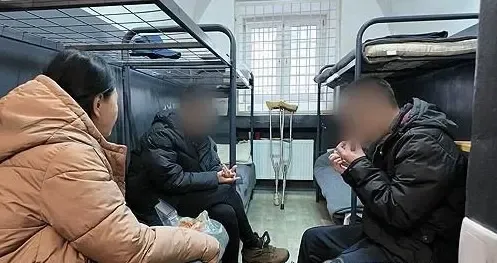
The two North Korean soldiers were reportedly captured in January 2025 while fighting alongside Russian forces in the Kursk region and arrived in South Korea in mid-September, according to South Korean officials.
Ambassador Recall on the Table
The South Korean government is now reportedly considering a range of options in response, including the possible recall of its ambassador to Ukraine, Park Hee-chang — a step proposed by a lawmaker during Tuesday's parliamentary session. While Cho did not confirm that a recall was imminent, he confirmed it was among the measures under active consideration.
This is a significant escalation signal: recalling an ambassador is one of the strongest short-of-severance diplomatic gestures a country can make, typically reserved for cases of serious bilateral offence.
Zelensky's Possible Motive, Per Seoul
When asked why Zelensky had chosen to disclose the transfer publicly, Cho offered a personal interpretation — carefully stressing it was speculative. He suggested Zelensky may have wanted to demonstrate to the United Nations that Ukraine had acted in accordance with its standing as a liberal democracy. That reading, if accurate, would mean the disclosure was a deliberate political signal rather than a slip — making Seoul's demand for a formal apology all the more pointed.
Where the Relationship Stands
South Korea has sought to manage the dispute through diplomatic channels while reiterating the importance of its ties with Ukraine. Seoul has been broadly supportive of Kyiv's position in the Russia-Ukraine conflict, making this friction notably unusual. The outcome of the apology negotiations and any decision on the ambassador will be closely watched as a gauge of how far the relationship has been damaged — and how quickly it can be repaired.
Point of View
Ukraine's desire to project liberal-democratic credentials at the UN — override a bilateral confidence agreement, it corrodes trust far beyond the immediate issue. Seoul's restrained but firm posture reflects a calculation that letting this pass without consequence would set a damaging precedent. The ambassador-recall signal is meaningful precisely because South Korea has been a quiet but consistent supporter of Kyiv; pushback from an aligned partner stings more than criticism from an adversary. The deeper question is whether Ukraine's denial of the confidentiality agreement was a policy decision or a miscommunication — because the answer determines whether this is repairable or structurally broken.
NationPress
6 Oct 2026
Frequently Asked Questions
Why is South Korea angry with Ukraine over North Korean POWs?
South Korea is upset because Ukrainian President Zelensky publicly disclosed that two North Korean prisoners of war had been transferred to Seoul, in violation of what Seoul says was a mutual confidentiality agreement. South Korea argues the disclosure endangered the soldiers' families who remain in North Korea.
Who are the two North Korean soldiers transferred to South Korea?
The two soldiers are North Korean troops who were reportedly captured in January 2025 while fighting alongside Russian forces in the Kursk region. They arrived in South Korea in mid-September, according to South Korean officials.
What action is South Korea considering against Ukraine?
South Korea is weighing several 'firm measures', including the possible recall of its ambassador to Ukraine, Park Hee-chang. Foreign Minister Cho Hyun confirmed the option is under consideration but did not indicate a final decision had been made.
What has Ukraine said in response to South Korea's demands?
Ukrainian Foreign Minister Andrii Sybiha has conveyed an apology to his South Korean counterpart, characterising the episode as a 'diplomatic misunderstanding'. However, South Korea says the apology does not meet the level it expects, and Ukraine's presidential office has denied that any confidentiality agreement existed.
Why did Zelensky disclose the North Korean POW transfer?
South Korean Foreign Minister Cho Hyun speculated, while stressing it was his personal interpretation, that Zelensky may have wanted to demonstrate to the United Nations that Ukraine had acted appropriately as a liberal democracy. The actual motive has not been officially confirmed by Kyiv.