South Korea FM pushes Rubio for faster nuclear pact talks in Manila
Synopsis
South Korea's foreign minister used the margins of ASEAN meetings in Manila to press Washington for faster movement on a nuclear pact revision — one that would give Seoul the right to enrich uranium, reprocess spent fuel, and build nuclear-powered submarines. With the next consultation round still unscheduled and Washington distracted by the Middle East, Seoul is visibly impatient.
Key Takeaways
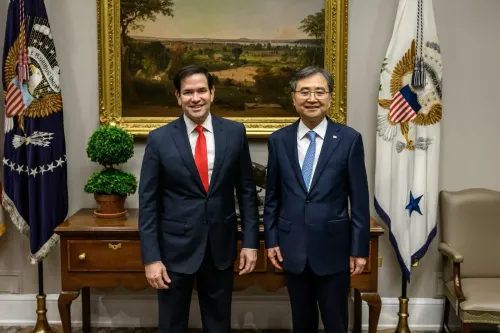
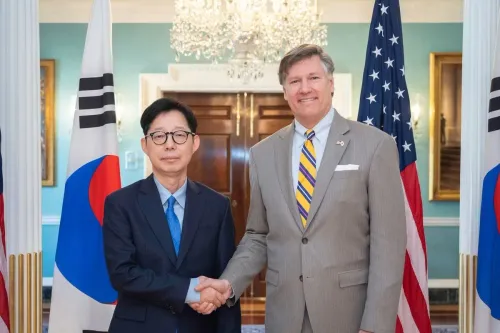
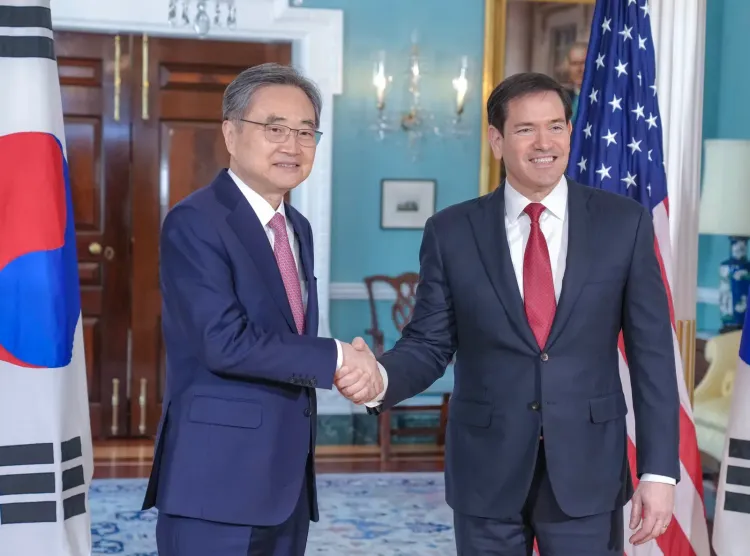
Foreign Minister Cho Hyun met Secretary of State Marco Rubio on 22 July in Manila on the sidelines of ASEAN -related meetings.
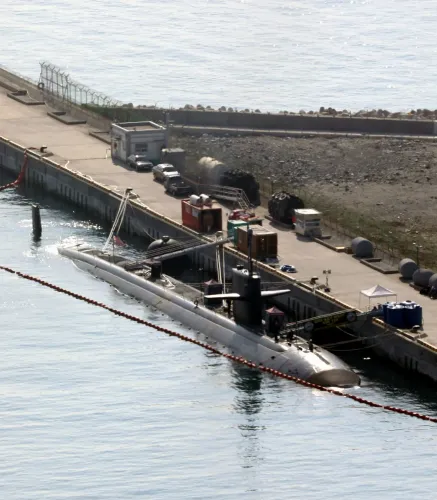
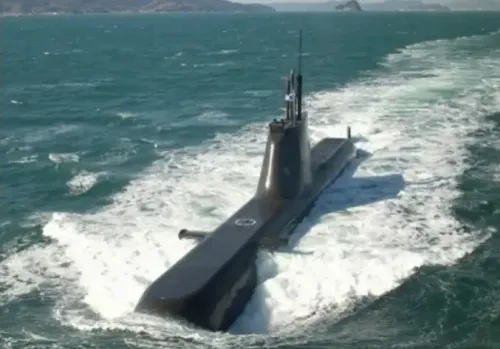
Seoul is pushing for rights to uranium enrichment , spent fuel reprocessing , and development of nuclear-powered submarines .
A second round of security consultations planned for July has no confirmed date, reportedly due to Washington's focus on the Middle East .
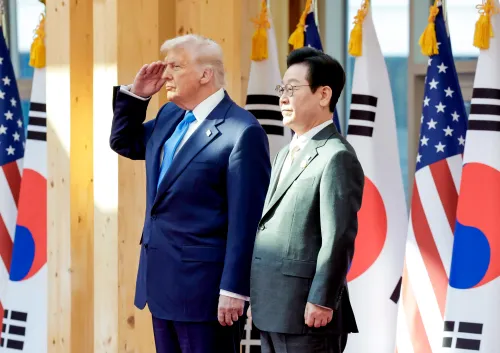
The talks stem from a joint fact sheet agreed after the Lee Jae Myung–Donald Trump summit .
Both Rubio and Under Secretary Allison Hooker acknowledged the concerns and agreed to continue close consultations.
Alliance tensions over Coupang regulatory actions add a separate layer of friction to the bilateral relationship.
South Korea's Foreign Minister Cho Hyun pressed US Secretary of State Marco Rubio on 22 July to accelerate bilateral security consultations, including Seoul's bid to develop nuclear-powered submarines and secure rights for uranium enrichment and spent fuel reprocessing, a senior Seoul official confirmed on Thursday. The exchanges took place on the sidelines of Association of Southeast Asian Nations (ASEAN)-related meetings in Manila.
How the Talks Unfolded
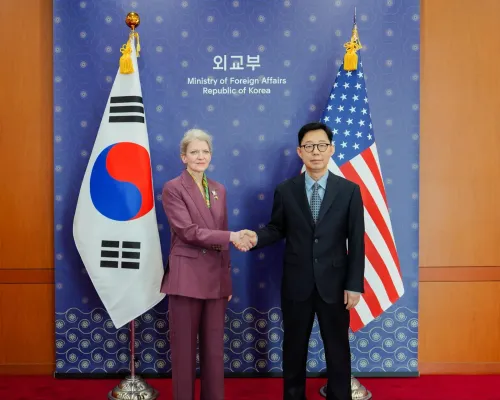
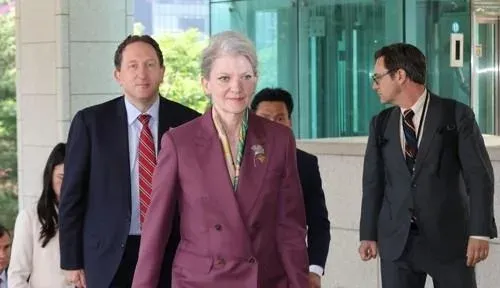
Cho conveyed the message during brief pull-aside sessions with Rubio held both before and after a trilateral meeting involving Japanese Foreign Minister Toshimitsu Motegi. Separately, Cho also met with US Under Secretary of State for Political Affairs Allison Hooker ahead of the trilateral talks and delivered a similar push for urgency.
According to the senior Seoul official, both Rubio and Hooker acknowledged Cho's concerns. 'Rubio and Hooker expressed understanding of Cho's remarks and shared the view that the two sides should continue close consultations on the pending issues,' the official said.
Why Progress Has Stalled
The two sides had planned a second round of security consultations in July, following an inaugural meeting the previous month, but no firm schedule has been announced. Washington's preoccupation with the Middle East conflict and other strategic priorities has reportedly slowed the pace, according to reports from Seoul.
The nuclear consultations are part of a broader set of deliverables outlined in a joint fact sheet adopted after last year's summit between South Korean President Lee Jae Myung and US President Donald Trump. That document also covers Seoul's investment commitments in the United States and bilateral shipbuilding cooperation.
What Seoul Is Seeking
At the core of Seoul's push is a revision of the US-South Korea civilian nuclear agreement — commonly known as the 123 Agreement — which currently restricts South Korea from independently enriching uranium or reprocessing spent nuclear fuel. Acquiring those rights, along with the ability to build nuclear-powered submarines, would mark a significant expansion of Seoul's strategic autonomy.
Cho was quoted by the official as saying: 'There are several issues that require further coordination. We should sort them out as soon as possible and continue strengthening communication at various levels to bring important matters between the two countries toward agreement.'
Alliance Friction in the Background
The diplomatic push comes amid a separate strain in the US-South Korea alliance — Seoul's regulatory actions against Coupang, a US-listed e-commerce firm, following a massive data leak. Some US lawmakers and officials have criticised the measures as discriminatory and unfairly targeted at American businesses. The South Korean government has maintained that its actions were lawful and applied without discrimination. The dual track of security cooperation and commercial friction adds complexity to what both sides describe as a close alliance.
With the next round of consultations still unscheduled, the timeline for any formal revision of the nuclear pact remains uncertain. Observers will watch whether Washington carves out dedicated bandwidth for Seoul's requests as Middle East pressures evolve.
Point of View
And the Middle East is a reliable distraction. But the ask is substantial: uranium enrichment and reprocessing rights are precisely what the US has historically resisted granting allies, for non-proliferation reasons that do not disappear because of a summit fact sheet. The Coupang friction is a reminder that the alliance, while durable, is not frictionless — and that commercial disputes can quietly complicate security negotiations. What mainstream coverage underplays is that a successful revision of the 123 Agreement would set a precedent with implications well beyond the Korean peninsula, potentially reshaping how Washington manages similar requests from Japan and others.
NationPress
22 Oct 2026
Frequently Asked Questions
What did South Korea's Foreign Minister Cho Hyun discuss with Marco Rubio in Manila?
Cho pressed Rubio to accelerate bilateral security consultations, specifically around Seoul's efforts to develop nuclear-powered submarines and secure rights for uranium enrichment and spent fuel reprocessing. The talks took place on 22 July on the sidelines of ASEAN-related meetings in Manila.
What is the US-South Korea nuclear agreement that Seoul wants revised?
It is the bilateral civilian nuclear cooperation agreement — often called the 123 Agreement — that currently prohibits South Korea from independently enriching uranium or reprocessing spent nuclear fuel. Seoul is seeking an update that would grant these rights and allow it to build nuclear-powered submarines.
Why have the consultations been delayed?
A second round of security consultations was planned for July following an inaugural meeting the previous month, but no schedule has been confirmed. Reports indicate Washington's focus on the Middle East conflict and other priorities has slowed the process.
What is the Coupang dispute and how does it affect the alliance?
Coupang is a US-listed e-commerce company that faced regulatory action from South Korean authorities following a major data leak. Some US lawmakers and officials have alleged the measures were discriminatory toward American businesses, while Seoul maintains they were lawful and non-discriminatory. The dispute adds friction to an otherwise security-focused bilateral agenda.
What broader framework do these talks fall under?
The consultations are part of deliverables outlined in a joint fact sheet from the summit between South Korean President Lee Jae Myung and US President Donald Trump. The document also covers Seoul's US investment commitments and bilateral shipbuilding cooperation.