Swat suicide blast kills 7, wounds 18 at Kabal police station
Synopsis
A suicide bomber hit the Kabal police station in Swat as hundreds gathered at a nearby public demonstration — killing seven and wounding 18. Coming days after a TTP-linked assault on a Hangu checkpost killed nine officers, the twin strikes mark one of the deadliest weeks for Khyber-Pakhtunkhwa's security forces in recent memory.
Key Takeaways
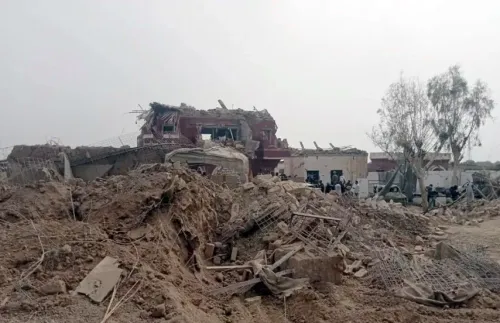
A suicide attack on Kabal police station in Swat district , Khyber-Pakhtunkhwa , killed at least 7 people and injured 18 others on 2 August .
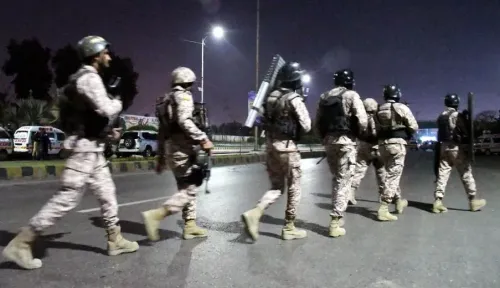
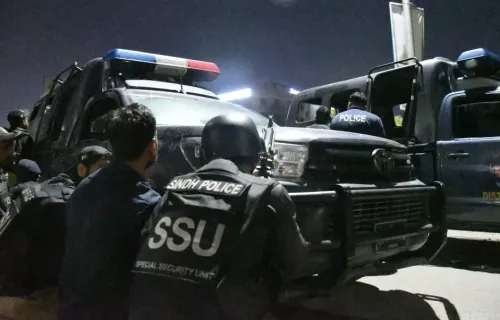
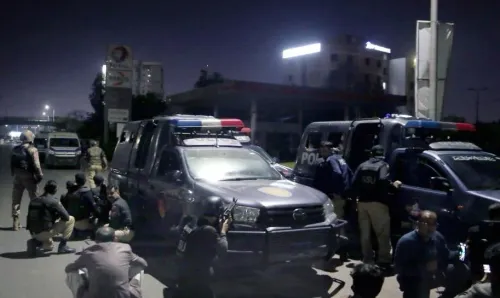
DPO Umar Gandapur confirmed the toll; security forces cordoned off the area and launched an investigation.
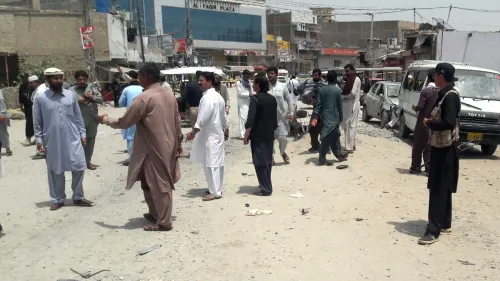
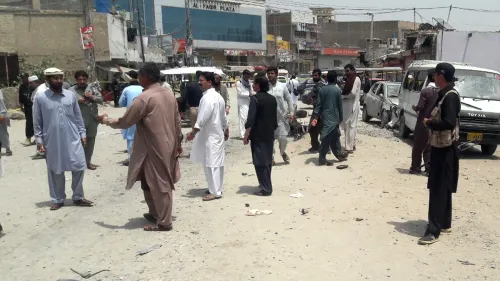
The blast occurred while hundreds attended a public demonstration at nearby Kabal Chowk .
The injured were taken to Saidu Sharif Teaching Hospital ; a search operation is underway.
Earlier in the week, a separate attack on the Khazina Banda checkpost in Hangu district killed 9 police personnel and wounded 28 , attributed to TTP-linked Fitna al Khawarij .
Both attacks reflect a rising wave of militant strikes on law enforcement in Balochistan and Khyber-Pakhtunkhwa .
A suicide bomber struck the Kabal police station in Swat district of Khyber-Pakhtunkhwa, Pakistan, on Sunday, 2 August, killing at least seven people and wounding 18 others, according to local media reports. The attack unfolded while hundreds of civilians were gathered at a public demonstration at Kabal Chowk, just metres from the targeted facility.
What Happened at Kabal
Swat District Police Officer (DPO) Umar Gandapur confirmed the toll in initial statements. 'According to initial information, seven people were killed, and 18 others were injured. Our police are on high alert and fully prepared to respond to any untoward situation. Security forces have cordoned off the area, and an investigation is underway to collect further evidence,' Gandapur said, as reported by daily Dawn.
Deputy Inspector General (DIG) of Malakand, Syed Fida Hussain, noted that police lines facilities and other sensitive government buildings were situated near the blast site, compounding the security risk. Preliminary reports cited by The Express Tribune indicated that four police officers were seriously injured in the explosion, along with two civilians.
Rescue and Security Response
The injured were transported to the nearby Saidu Sharif Teaching Hospital for treatment. Security personnel sealed off the surrounding area and launched a search operation to track down any accomplices. Officials described the security posture in the district as being on 'high alert.'
Earlier Attack in Hangu Adds to the Toll
The Swat bombing follows a separate assault earlier in the week, when armed attackers targeted the Khazina Banda checkpost in Hangu district of Khyber-Pakhtunkhwa. That attack killed at least nine police personnel — including a Deputy Superintendent of Police (DSP) — and wounded 28 others.
Khyber-Pakhtunkhwa Inspector General (IG) Zulfiqar Hameed attributed the Hangu attack to Fitna al Khawarij, the term the Pakistani state uses for militants belonging to the banned Tehreek-e-Taliban Pakistan (TTP). Hameed confirmed that police personnel returned fire and additional forces were deployed to the site.
Broader Pattern of Violence
Both incidents are part of a documented surge in militant attacks targeting law enforcement in Pakistan, particularly concentrated in the border provinces of Balochistan and Khyber-Pakhtunkhwa. Security analysts have noted that TTP-linked groups have escalated operations against police checkposts and stations in these regions, exploiting difficult terrain and porous border zones. This is at least the second major strike on KP security forces within a single week, signalling a sustained operational tempo by the banned outfit.
As investigations continue, the frequency of such attacks raises urgent questions about the effectiveness of counter-insurgency measures in Pakistan's northwest.
Point of View
A busy police station during a public gathering and a border checkpost, suggests deliberate planning to maximise casualties and psychological impact. Pakistan's counter-insurgency posture in the northwest has repeatedly been tested and found wanting; the Hangu attack's nine-officer death toll, including a DSP, points to tactical intelligence failures. The deeper question is whether Islamabad's policy of distinguishing between 'good' and 'bad' Taliban factions has left KP law enforcement exposed.
NationPress
2 Aug 2026
Frequently Asked Questions
What happened at Kabal police station in Swat?
A suicide bomber attacked the Kabal police station in Swat district, Khyber-Pakhtunkhwa, on 2 August, killing at least seven people and injuring 18 others. The blast occurred while hundreds of civilians were participating in a public demonstration at nearby Kabal Chowk.
Who confirmed the casualties in the Swat attack?
Swat District Police Officer (DPO) Umar Gandapur confirmed the initial toll of seven killed and 18 injured, adding that security forces had cordoned off the area and an investigation was underway. DIG Malakand Syed Fida Hussain also provided details, noting that sensitive government buildings were located near the blast site.
Who was behind the Hangu checkpost attack earlier in the week?
Khyber-Pakhtunkhwa Inspector General Zulfiqar Hameed attributed the Hangu attack to Fitna al Khawarij, the Pakistani state's designation for militants linked to the banned Tehreek-e-Taliban Pakistan (TTP). Nine police personnel, including a Deputy Superintendent of Police, were killed and 28 others were injured in that assault.
Where were the injured taken after the Swat blast?
The wounded were shifted to Saidu Sharif Teaching Hospital for treatment. Security personnel simultaneously sealed off the area around Kabal police station and launched a search operation.
Why are attacks increasing in Khyber-Pakhtunkhwa?
The incidents are part of a broader and documented rise in militant attacks targeting law enforcement in Pakistan's border provinces of Balochistan and Khyber-Pakhtunkhwa. TTP-linked groups have escalated strikes on police stations and checkposts in the region, exploiting difficult terrain and proximity to the Afghan border.