Kashmiri Pandits who returned home after exile see hope in post-Article 370 era
Synopsis
More than 30 years after the 1990 exodus, Kashmiri Pandits who have returned to the Valley say the abrogation of Article 370 has changed the atmosphere — and local Muslim residents are openly appealing for more families to come back. Full rehabilitation remains elusive, but the ground-level signals are shifting.
Key Takeaways
Kashmiri Pandits who returned to the Kashmir Valley after the 1990 exodus describe a 'sense of hope' following the abrogation of Article 370 in 2019 .
A Kashmiri Pandit family has opened a business outlet in Handwara , cited by locals as a symbol of growing confidence and normalcy.
Community members are reportedly employed as teachers, engineers, and clerks in Kupwara , and visited local temples in larger numbers this year.
Local Muslim residents have appealed to displaced Kashmiri Pandits to return, invoking a pre-1990 era of inter-community brotherhood.
Full-scale rehabilitation of displaced Kashmiri Pandit families remains a work in progress, with housing, security, and livelihood support still cited as barriers.
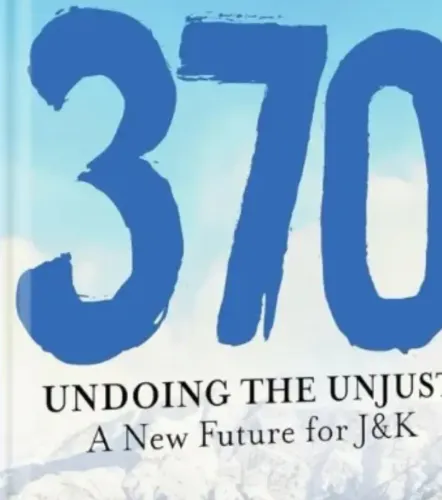
Decades after the mass exodus of 1990, a growing number of Kashmiri Pandits who have returned to the Kashmir Valley say they are witnessing tangible shifts on the ground — and see the abrogation of Article 370 in 2019 as the foundation for what they describe as 'unprecedented changes' in their homeland. While full-scale rehabilitation of displaced families remains a distant goal, the mood among those who have come back is cautiously optimistic.
A Community Divided Between Two Homes
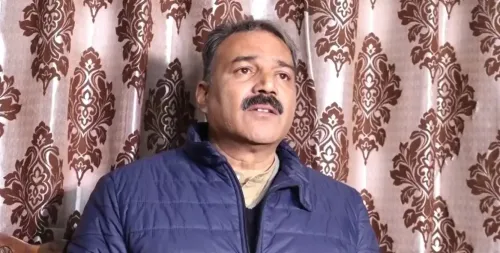
For many Kashmiri Pandits, the trauma of displacement has been a defining feature of their identity for over three decades. One community member, whose family fled Kashmir in 1990 and spent years in Jammu, described the emotional weight of that separation. 'We migrated from here in the 1990s and settled in Jammu, but even while living there, our hearts always remained with our home in Kashmir,' he said. 'After the abrogation of Article 370, we got an opportunity to return. The situation is no longer what it used to be, and with the new government, I believe there has been a significant positive change.'
He added: 'We are happy with the changes we have seen. The situation today is not what it was in the past, and we feel there is now a sense of hope.'
Signs of Normalcy: Business, Employment, Temples
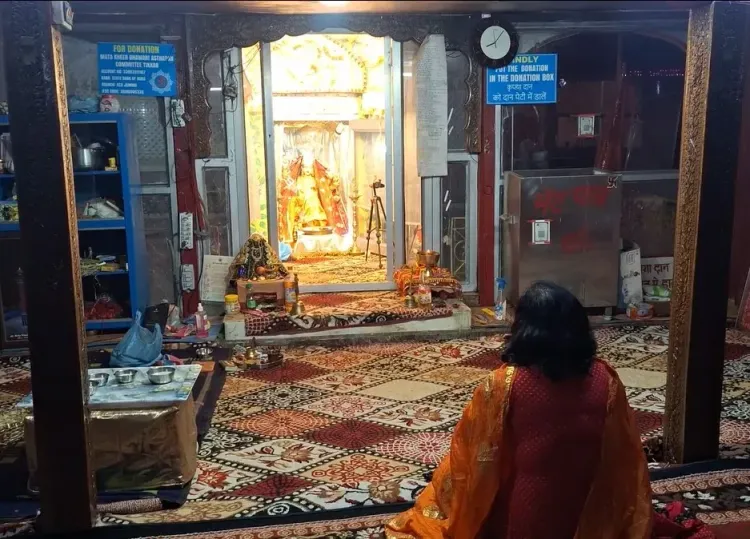
Local residents in the region are pointing to concrete examples of returning confidence. In Handwara, a Kashmiri Pandit family recently opened a business outlet — a development locals describe as a symbol of growing normalcy and trust. In Kupwara, community members have reportedly taken up positions as teachers, engineers, and clerks in government offices, and visited local temples in notably larger numbers this year.
'Members of the Kashmiri Pandit community have not only returned to Kupwara but are also working here as teachers, engineers and clerks. This year, many visited their temples in large numbers. We want more of them to return,' said one local resident. 'Whenever we see them in government offices, it makes us happy.'
Local Residents Recall a Lost Brotherhood
Among the most striking voices in this account are those of local Muslim residents who say they never witnessed the pre-1990 era of inter-community harmony firsthand — but have grown up hearing about it. 'We did not witness those times ourselves, but we have heard from our elders about the atmosphere of brotherhood that once existed here, and we truly miss it,' said one resident.
Another resident made a direct appeal to the diaspora: 'This is your home, your roots, your heritage. Everything that belongs to you is here. We request all Kashmiri Pandits to come back and be a part of Kashmir's future.'
Rehabilitation: Hope Tempered by Reality
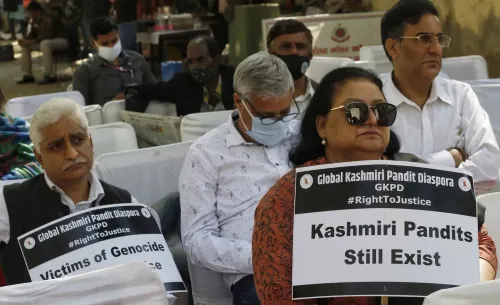
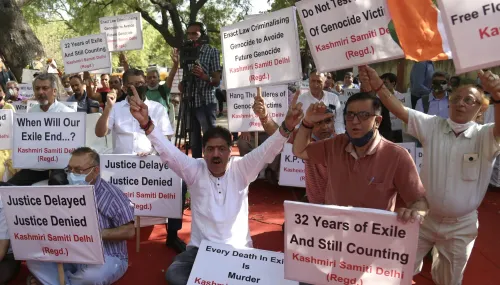
Despite the optimism, the broader rehabilitation of the estimated 1–4 lakh Kashmiri Pandits who fled the Valley remains, by most accounts, a work in progress. Housing, security guarantees, and livelihood support continue to be cited as barriers by community organisations. The Prime Minister's Rehabilitation Package for Kashmiri migrants, which offers government jobs in the Valley, has seen limited uptake amid persistent security concerns. Notably, a series of targeted killings of Kashmiri Pandit employees in 2022 had triggered protests and demands for relocation, underlining the gap between political intent and ground reality.
How quickly that gap closes will determine whether the current wave of cautious optimism translates into a durable return movement.
Point of View
But it exists alongside an uncomfortable gap between political symbolism and policy delivery. The abrogation of Article 370 changed the legal architecture of Jammu and Kashmir, but the Prime Minister's Rehabilitation Package — meant to bring Pandits back through government employment — has struggled with uptake, not least because of targeted killings as recently as 2022. The appeals from local Muslim residents are genuinely moving, but goodwill alone cannot substitute for secure housing, enforceable safety guarantees, and restored property rights. The harder question — one mainstream coverage rarely asks — is whether the current government has a credible, time-bound rehabilitation roadmap, or whether 'hope' is being asked to do the work that policy has not yet done.
NationPress
2 Aug 2026
Frequently Asked Questions
Why did Kashmiri Pandits leave the Kashmir Valley in 1990?
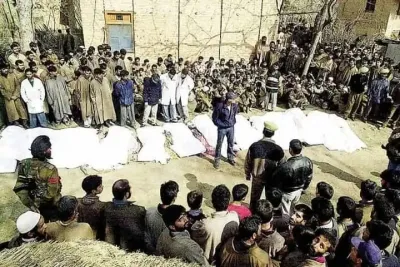
Kashmiri Pandits fled the Valley in large numbers beginning in early 1990 amid a surge in militant violence and targeted killings of community members. The exodus, one of the largest forced displacements in post-independence India, left an estimated 1–4 lakh Pandits settled primarily in Jammu, Delhi, and other cities.
How has the abrogation of Article 370 affected Kashmiri Pandits?
The abrogation of Article 370 in August 2019 restructured the legal and administrative status of Jammu and Kashmir, and many returning Kashmiri Pandits cite it as the trigger for their decision to come back. They describe a changed atmosphere and greater confidence in the region's future, though formal rehabilitation remains incomplete.
Are Kashmiri Pandits returning to the Valley in significant numbers?
Some Kashmiri Pandits have returned and are working in government roles and running businesses in areas like Kupwara and Handwara. However, a large-scale return has not yet materialised, with security concerns, housing, and livelihood support cited as ongoing barriers.
What is the government's rehabilitation package for Kashmiri Pandits?
The Prime Minister's Rehabilitation Package offers government jobs in the Kashmir Valley to displaced Kashmiri migrants. Uptake has been limited, partly due to security concerns — including a series of targeted killings of Kashmiri Pandit employees in 2022 that triggered protests and demands for relocation.
What are local Kashmiri residents saying about the return of Pandits?
Local residents in areas like Kupwara have expressed strong support for the return of Kashmiri Pandits, recalling stories of pre-1990 inter-community brotherhood from their elders. Several have made direct public appeals to the diaspora to come back and participate in Kashmir's future.