India's multilateralism vision shared with UN delegation by MEA's Sibi George
Synopsis
As India quietly campaigns for a UN Security Council non-permanent seat for 2028–29, MEA Secretary Sibi George's dinner for visiting UN Permanent Representatives is more than hospitality — it is targeted diplomacy. With the SHANTI framework as its pitch and Global South leadership as its brand, New Delhi is building its UNSC case one envoy at a time.
Key Takeaways
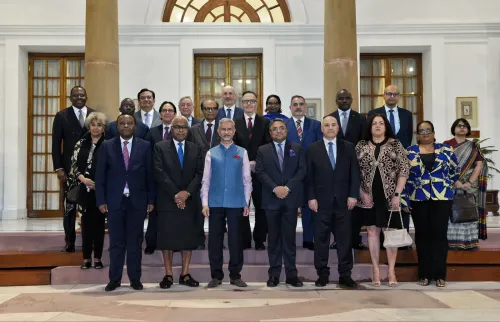
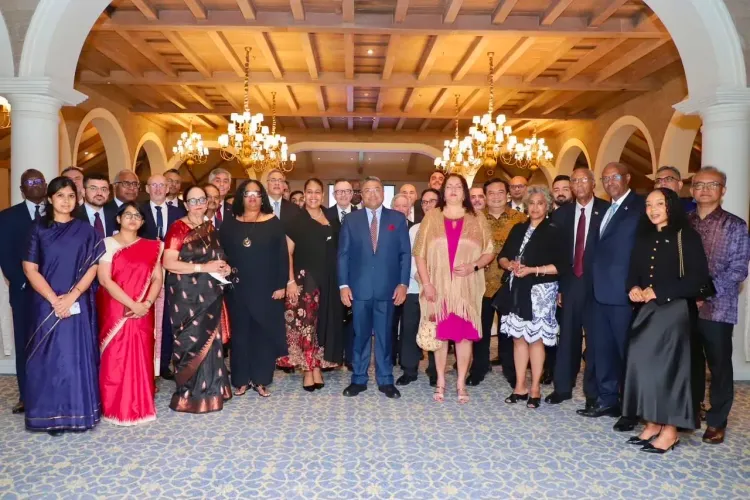
MEA Secretary (West) Sibi George hosted UN Permanent Representatives at a welcome dinner in New Delhi on 2 August .
India is actively campaigning for a non-permanent UNSC seat for the 2028–29 term, launched by EAM S.
Jaishankar in New York in July.
India's UNSC approach is framed around SHANTI — Securing Holistic Advancement through Norms, Trust and Integrity.
Key priorities include amplifying the Global South voice, a future-ready UN peacekeeping framework , the Women, Peace and Security agenda, and a rules-based maritime order under UNCLOS .
The UN delegation is on a week-long familiarisation visit to India.
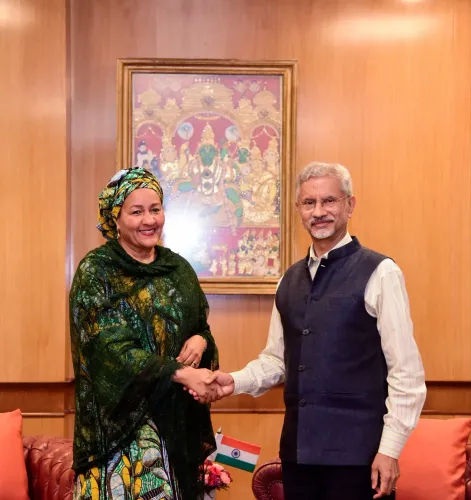
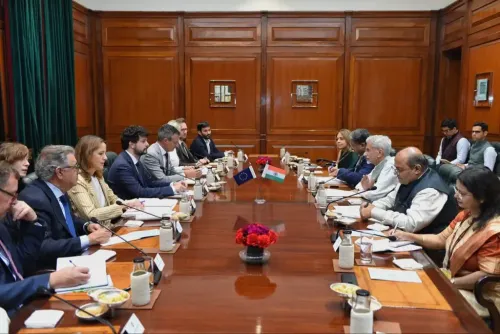
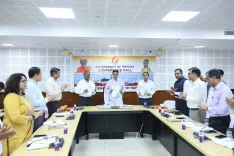
Sibi George, Ministry of External Affairs (MEA) Secretary (West), on Sunday, 2 August hosted a welcome dinner in New Delhi for a delegation of Permanent Representatives to the United Nations who are on a week-long familiarisation visit to India. At the dinner, George shared India's perspectives on multilateralism and the UN, and extended wishes for a productive stay.
The Visit and What It Signals
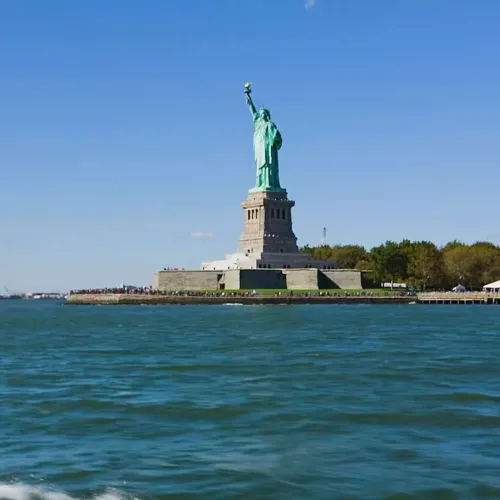
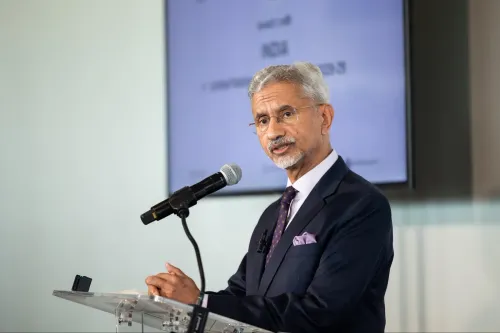
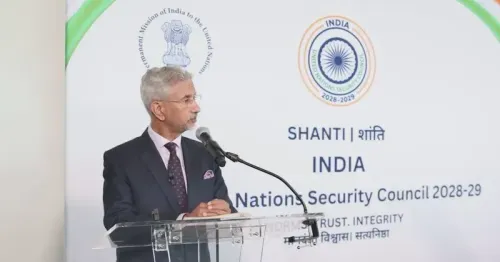
The familiarisation visit by UN Permanent Representatives comes at a significant moment for Indian diplomacy. In July 2025, External Affairs Minister (EAM) S. Jaishankar formally launched India's campaign for a non-permanent seat on the United Nations Security Council (UNSC) for the 2028–29 term in New York. The campaign outlined New Delhi's vision for a more representative, effective, and future-ready global order — making this week's engagement with UN envoys a direct extension of that diplomatic push.
India's Vision for Global Governance
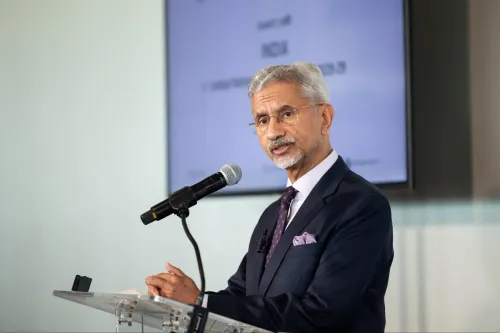
Elaborating on India's approach during the UNSC campaign launch, EAM Jaishankar articulated a broad vision: 'India's focus will be on working for a secure, peaceful and equitable world. A world where the voice of the Global South is heard in equal measure. A world where peacekeeping is ready for contemporary and future challenges, a world where multilateralism reflects contemporary realities and provides effective solutions, not remain on high standards, a world where the promise of technologies is fulfilled.'
He said India's approach would be rooted in SHANTI — an acronym standing for Securing Holistic Advancement through Norms, Trust and Integrity — with a particular emphasis on amplifying the voice of the Global South in matters of international peace and security. The framework also prioritises dialogue, cooperation, and bridging differences among nations.
Peacekeeping, Women, and Maritime Order
EAM Jaishankar also outlined India's commitment to building a future-ready UN peacekeeping framework — one that is better equipped, technologically enabled, realistically mandated, and focused on core objectives. India, he said, would continue to champion the Women, Peace and Security agenda and support a greater role for women peacekeepers in global missions.
On maritime security, India pledged to promote a free, open, and rules-based maritime order in line with international law, particularly the United Nations Convention on the Law of the Sea (UNCLOS). 'Ensuring the safe and unimpeded flow of maritime commerce, combating piracy, safeguarding seafarers and supporting Humanitarian Assistance and Disaster Relief (HADR) missions would remain key priorities,' Jaishankar stated.
Context: India's UNSC Ambitions
India's active engagement with UN delegations reflects a calculated diplomatic strategy ahead of the 2028–29 UNSC non-permanent seat election. New Delhi has long advocated for reforms to the UN Security Council, arguing that its current structure does not reflect contemporary geopolitical realities. The SHANTI framework and the familiarisation visits are part of a sustained effort to build consensus among member states well in advance of the vote.
As India deepens its multilateral outreach, the coming months will be a test of whether New Delhi can translate its Global South leadership rhetoric into concrete diplomatic support from UN member states.
Point of View
But its real test lies in whether India can hold together a credible Global South coalition amid competing bids. Notably, India's push for UNSC reform remains aspirational; New Delhi has advocated permanent membership for decades without structural progress. The gap between India's multilateral ambitions and the Council's resistance to reform is the central tension this campaign must navigate.
NationPress
17 Sept 2026
Frequently Asked Questions
Why did MEA Secretary Sibi George host a dinner for UN representatives?
MEA Secretary (West) Sibi George hosted the dinner on 2 August as a welcome for a delegation of UN Permanent Representatives on a week-long familiarisation visit to India. The occasion was used to share India's perspectives on multilateralism and the United Nations.
What is India's campaign for a UNSC non-permanent seat?
India is seeking a non-permanent seat on the United Nations Security Council for the 2028–29 term, a campaign formally launched by EAM S. Jaishankar in New York in July 2025. The bid is anchored in India's SHANTI framework and its advocacy for the Global South.
What does the SHANTI framework mean?
SHANTI stands for Securing Holistic Advancement through Norms, Trust and Integrity. It is the framework EAM Jaishankar outlined to describe India's approach to international peace, security, and multilateral engagement at the UN.
What are India's key priorities at the United Nations?
India has outlined four key priorities: strengthening the Global South's voice in peace and security matters, building a future-ready UN peacekeeping framework, advancing the Women, Peace and Security agenda, and upholding a free and rules-based maritime order under UNCLOS.
How does this visit relate to India's broader UN ambitions?
The familiarisation visit by UN Permanent Representatives is part of India's sustained diplomatic outreach ahead of the UNSC non-permanent seat election for 2028–29. Engaging envoys directly in India is a strategy to build bilateral goodwill and support for New Delhi's candidacy.