EAM Jaishankar launches India's UNSC 2028–29 campaign at United Nations
Synopsis
India has formally entered the race for a UNSC non-permanent seat for 2028–29, with EAM Jaishankar unveiling the SHANTI framework as the campaign's backbone. The bid is a direct push to amplify the Global South's voice in a Security Council increasingly seen as paralysed by great-power rivalry — and comes as conflicts worldwide test the UN's relevance.
Key Takeaways
Jaishankar launched India's campaign for a UNSC non-permanent seat for the 2028–29 term on 14 July at the United Nations .
India's campaign is anchored in the SHANTI framework — Securing Holistic Advancement through Norms, Trust and Integrity.
Key priorities include Global South representation , peacekeeping reform , AI governance , maritime security , and counter-terror financing .
Jaishankar called for a transparent sanctions regime based on objective, evidence-based listing of terrorist groups.
India previously held a UNSC non-permanent seat for the 2021–22 term.
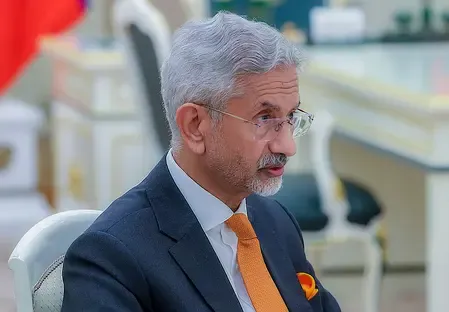
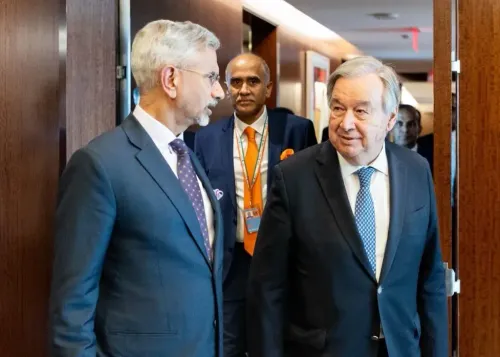
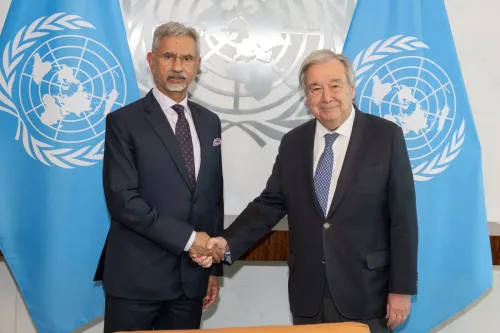
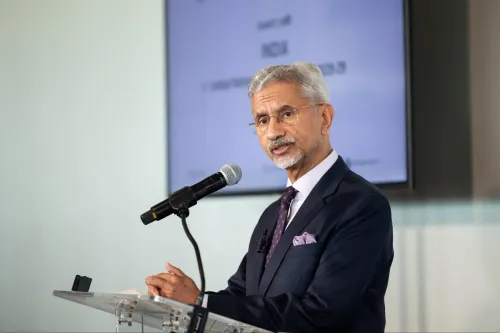
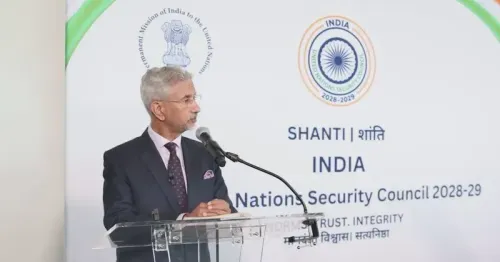
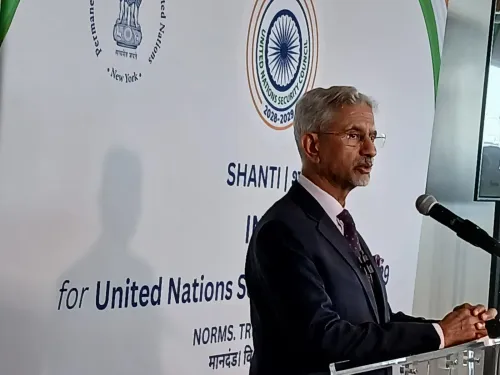
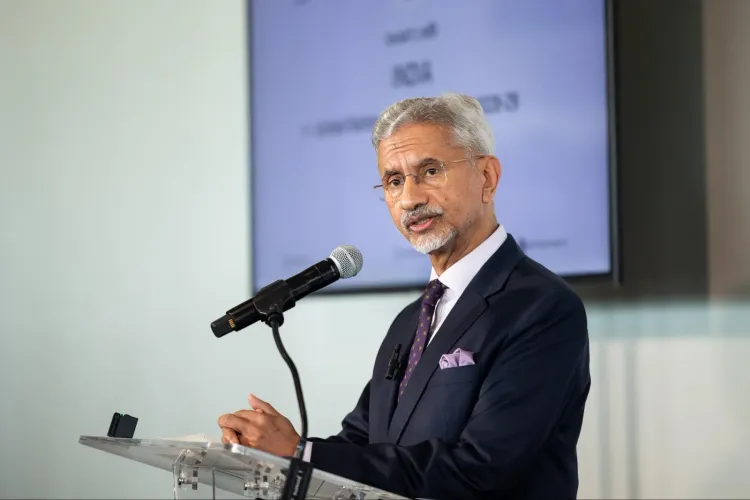
External Affairs Minister S. Jaishankar on 14 July officially launched India's campaign for a non-permanent seat on the United Nations Security Council (UNSC) for the 2028–29 term, presenting New Delhi's vision for a more representative, effective, and future-ready global governance architecture. The launch took place at the United Nations headquarters, marking a formal opening of India's bid to return to the world's most powerful multilateral security body.
Jaishankar's Core Message
Addressing the event, Jaishankar underscored the severity of the global security environment. 'We are witnessing levels of conflict, violence and instability that threaten even those who may be far away,' he said, adding that 'the UN must take the lead and the Security Council must show the way.'
He framed India's candidacy not merely as a seat at the table, but as a mandate to make global governance more inclusive. 'A reformed, representative and results-driven Security Council needs a voice of the Global South at the table,' Jaishankar said, positioning India as a natural champion for developing nations underrepresented in the current multilateral order.
The SHANTI Framework
India's campaign will be anchored in a thematic framework the minister called SHANTI — Securing Holistic Advancement through Norms, Trust and Integrity. The approach, he said, would be guided by dialogue, cooperation, and sustained efforts to bridge differences among nations.
Jaishankar also shared details of the campaign on social media platform X, saying he was 'pleased to launch India's campaign for the UN Security Council 2028–29.' The post outlined India's priorities and commitment to the Global South's voice in international peace and security matters.
Key Priority Areas
The minister laid out several substantive pillars underpinning India's campaign. On peacekeeping, he called for a future-ready UN framework that is better equipped, technologically enabled, realistically mandated, and focused on core objectives. India also committed to championing the Women, Peace and Security agenda and supporting a greater role for women peacekeepers — an area where India has historically been among the largest troop-contributing nations.
On emerging technologies, Jaishankar said India would promote a human-centric vision of artificial intelligence anchored in inclusivity, security, and the public good, while also working to counter AI misuse that could threaten international peace and security.
India further pledged to prioritise a free, open, and rules-based maritime order in accordance with international law — particularly the United Nations Convention on the Law of the Sea (UNCLOS) — covering safe maritime commerce, anti-piracy measures, seafarer safety, and humanitarian assistance and disaster relief (HADR) missions.
Counter-Terror and Sanctions Reforms
Jaishankar also called for sustained efforts to counter terror financing and demanded a transparent sanctions regime based on objective, evidence-based proposals for listing terrorist groups. This signals India's continued push for reforms that would reduce the scope for political vetoes shielding state-linked terror networks from UNSC action — a long-standing concern for New Delhi.
What Comes Next
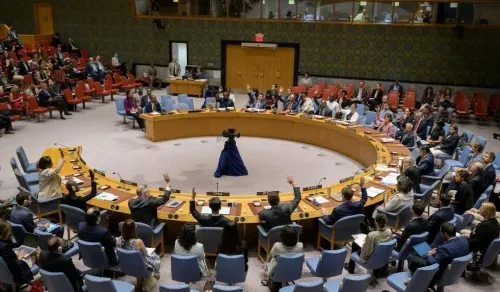
India previously held a non-permanent UNSC seat for the 2021–22 term. A successful 2028–29 bid would mark its return at a time of heightened global instability, with active conflicts in multiple theatres straining the Council's credibility. The campaign now enters its formal lobbying phase, with India expected to seek support from the Asia-Pacific Group at the UN. All eyes will be on how New Delhi builds coalitions, particularly among Global South nations, in the months ahead.
Point of View
Where transactional diplomacy often overrides shared values. The call for evidence-based terror sanctions is pointed — it is a direct challenge to China's repeated use of procedural holds to shield Pakistan-linked groups from UNSC listing. Whether India can convert that rhetorical sharpness into binding Council outcomes, if elected, remains the central question.
NationPress
12 Oct 2026
Frequently Asked Questions
What is India's UNSC 2028–29 campaign?
India is formally seeking a non-permanent seat on the United Nations Security Council for the 2028–29 term. External Affairs Minister S. Jaishankar launched the campaign on 14 July at the UN, outlining New Delhi's priorities around Global South representation, peacekeeping reform, maritime security, and AI governance.
What is the SHANTI framework?
SHANTI stands for Securing Holistic Advancement through Norms, Trust and Integrity — the thematic framework India has adopted to guide its UNSC campaign. It emphasises dialogue, cooperation, and bridging differences among nations as core principles.
Why is India seeking a UNSC non-permanent seat?
India argues that the Security Council must better reflect contemporary global realities, particularly by amplifying the voice of the Global South. Jaishankar stressed that rising conflict and instability demand stronger UN leadership, and that India is positioned to champion inclusive, reform-oriented multilateralism.
Has India held a UNSC seat before?
Yes. India most recently served as a non-permanent member of the UNSC for the 2021–22 term. A successful 2028–29 bid would mark its return to the Council after a six-year gap.
What are India's key priorities if elected to the UNSC?
India has outlined five main priorities: strengthening the Global South's voice, modernising UN peacekeeping, promoting human-centric AI governance, upholding a rules-based maritime order under UNCLOS, and reforming the sanctions regime to ensure evidence-based listing of terrorist groups.