Six Indian tourists rescued from Nepal's Dolpa district after snowfall stranding
Synopsis
Six Indian tourists entered Nepal's restricted Upper Dolpa zone without permits, ignored official weather warnings tied to Cyclone Arnab, and were stranded for two days before a helicopter airlift on 2 November. Their rescue spotlights a recurring pattern of trekkers bypassing Nepal's permit system in one of the Himalayas' most logistically challenging districts.
Key Takeaways
Six Indian tourists were rescued by helicopter from Dolpa district, western Nepal , on 2 November 2026 .
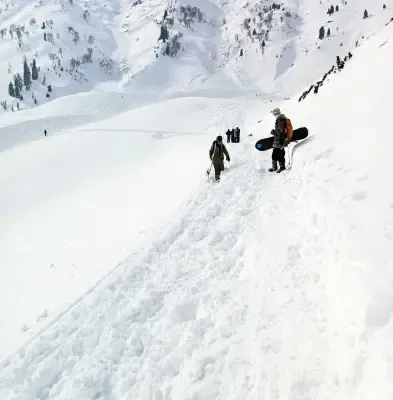
The group had been out of contact since 31 October after being caught in heavy snowfall near Shey-Phoksundo Lake .
All six were brought to the district headquarters Dunai in normal health, according to DSP Anil Raj Giri .
The tourists had entered Upper Dolpa without required administrative trekking permits and despite official warnings linked to Cyclone Arnab .
Nepal's Department of Immigration had suspended permit issuance for restricted Himalayan areas from 29–31 October due to avalanche and snowstorm risk.
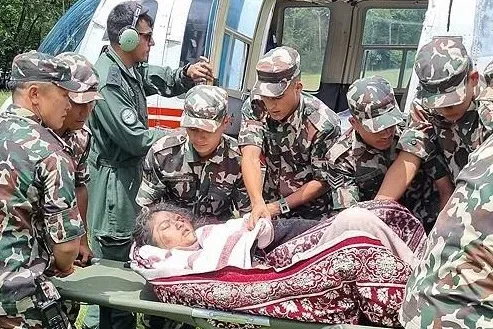
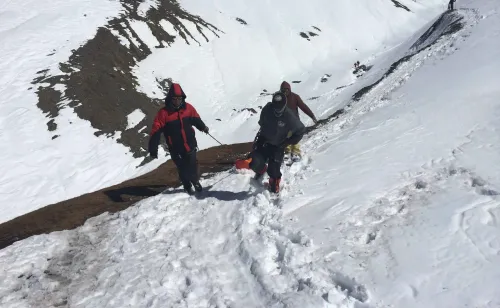
Six Indian tourists stranded in the remote upper reaches of Dolpa district in western Nepal amid heavy snowfall were safely airlifted by helicopter on Monday, 2 November 2026, police confirmed. The group had been out of contact since 31 October after being caught in severe weather while trekking in one of Nepal's most restricted highland zones.
How the Rescue Unfolded
Deputy Superintendent of Police (DSP) Anil Raj Giri, chief of the District Police Office in Dolpa, confirmed that a helicopter was deployed once the tourists were located. “A helicopter was deployed after they were located, and they were brought to the district headquarters, Dunai,” DSP Giri said. He added that the health conditions of all six rescued tourists were normal upon arrival.
The tourists were airlifted from the Danigadh area of Shey-Phoksundo Rural Municipality. They had encountered heavy snowfall while trekking from Dho Tarap towards Shey-Phoksundo Lake, a popular high-altitude destination in the district. Authorities had received information about the stranded group on 31 October but the rescue operation was delayed due to adverse weather and difficulties in arranging a helicopter, officials told local media.
Permits Absent, Warnings Ignored
According to DSP Giri, the six tourists had reached Upper Dolpa without obtaining the required administrative permits. The Department of Immigration is the designated authority for issuing trekking permits to foreign nationals visiting restricted areas in the upper part of the district. It is not clear at this stage what administrative action, if any, will follow.
Giri also noted that local authorities had specifically warned the tourists against travelling in the area due to worsening weather conditions linked to Cyclone Arnab in the Bay of Bengal. The warnings, it appears, went unheeded.
Nepal Had Suspended Permits Ahead of the Storm
On 27 October, Nepal's Department of Immigration suspended the issuance of trekking permits for restricted high-hill and Himalayan areas for the period 29–31 October, citing elevated risks of heavy snowfall, snowstorms, and avalanches. The move followed a formal warning from the National Disaster Risk Reduction and Management Authority (NDRRMA), which urged all tourists to avoid travel to these areas during the three-day window.
The NDRRMA had also broadly advised visitors to take precautions, warning that road and air transport and daily life could be disrupted. Non-essential travel was specifically discouraged. This comes amid a pattern of weather-related trekking emergencies in Nepal's restricted high-altitude zones each autumn season, when pre-winter storms can close trails and cut off satellite communication with little notice.
What This Means for Trekkers
The Dolpa region, one of Nepal's most isolated districts, sits at elevations that make weather-related evacuations logistically demanding and time-sensitive. Shey-Phoksundo Lake, a draw for adventure trekkers from across South Asia and beyond, lies within a national park that requires special restricted-area permits on top of standard national park fees. Authorities have in the past cited repeated instances of foreign trekkers entering restricted zones without proper documentation.
With the Himalayan winter tightening its grip, rescue and immigration officials are expected to intensify permit checks at entry points to restricted zones going forward.
Point of View
Brushed aside a formal weather advisory tied to a named cyclone, and required a costly helicopter deployment during a window when weather made such operations dangerous. Nepal has a legal and administrative framework for exactly this scenario, yet it was bypassed entirely. Repeat incidents of this kind strain Nepal-India consular relations and put rescue personnel at risk. Until stricter permit enforcement at trail entry points is resourced and enforced, the pattern will repeat every autumn season.
NationPress
2 Nov 2026
Frequently Asked Questions
What happened to the six Indian tourists stranded in Nepal's Dolpa district?
Six Indian tourists were stranded in the Danigadh area of Shey-Phoksundo Rural Municipality in Dolpa, western Nepal, after being caught in heavy snowfall while trekking from Dho Tarap towards Shey-Phoksundo Lake. They were out of contact from 31 October and were safely airlifted by helicopter to the district headquarters Dunai on 2 November 2026, with all six reported in normal health.
Why were the tourists trekking without permits in a restricted area?
According to DSP Anil Raj Giri of the Dolpa District Police Office, the tourists had reached Upper Dolpa without obtaining the required administrative trekking permits from Nepal's Department of Immigration. No further details about how they entered the restricted zone were provided by authorities.
What warnings were in place before the tourists were stranded?
Nepal's Department of Immigration suspended trekking permit issuance for restricted high-altitude areas from 29–31 October 2026, citing high risks of snowfall, snowstorms, and avalanches linked to Cyclone Arnab in the Bay of Bengal. The National Disaster Risk Reduction and Management Authority had separately advised tourists to avoid non-essential travel and warned of disruptions to transport and daily life.
What is the Shey-Phoksundo area and why is it restricted?
Shey-Phoksundo is a national park in Dolpa district, western Nepal, home to a high-altitude lake that is a major trekking destination. Upper Dolpa is designated a restricted area, meaning foreign nationals require special permits from Nepal's Department of Immigration in addition to standard national park fees to trek there.
What happens next following the rescue?
DSP Giri indicated that the tourists had entered Upper Dolpa without required permits. The Department of Immigration would be responsible for any follow-up action. Authorities are expected to tighten permit checks at entry points to restricted zones as Himalayan winter conditions intensify.