Nepal floods: 9 of 10 stranded South Koreans airlifted to safety, 9 still missing
Synopsis
A glacial collapse and flash flood in Nepal's Rasuwa district swept away worker accommodations and left nine South Koreans missing — even as nine of their colleagues were airlifted to safety. With 165 dead and 826 missing across the disaster zone, Seoul has dispatched a rapid response team and is weighing a larger rescue deployment, while a 216-megawatt hydropower plant faces indefinite delay.
Key Takeaways
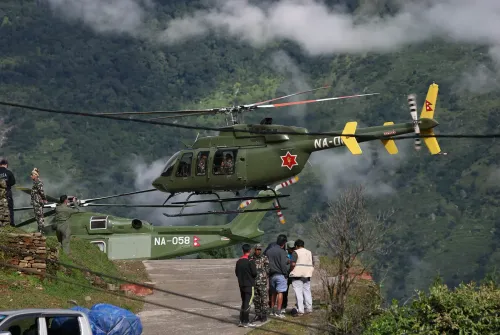
9 of 10 stranded South Korean workers were airlifted by a Nepalese military helicopter on 27 August ; the 10th, a Doosan site manager , stayed voluntarily to oversee local worker evacuation.
9 other South Koreans — 6 from Doosan Enerbility and 3 from Korea South-East Power Co. — remain unaccounted for after Wednesday's flash flood and mudslide.
The broader Nepal disaster has killed at least 165 people and left 826 missing, with the USGS confirming a glacial collapse triggered the destruction.
Seoul deployed an 11-member rapid response team to Kathmandu; Foreign Minister Cho Hyun raised the possibility of sending 'dozens' more rescuers.
The 216-megawatt Upper Trishuli-1 hydropower plant , due for completion by year-end, faces significant delays due to flood damage.
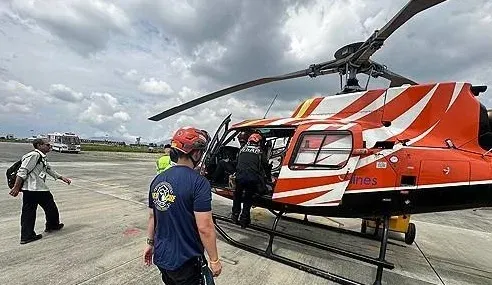
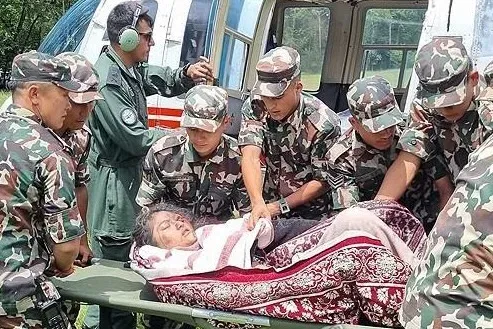
Nine of 10 South Korean nationals stranded by catastrophic flooding in Nepal's Rasuwa district were airlifted to safety on Thursday, 27 August, by a Nepalese military helicopter, even as nine other South Koreans remain missing following a devastating flash flood and mudslide that struck the area a day earlier, Seoul's foreign ministry confirmed.
Who Was Stranded and How They Were Evacuated
All 10 South Koreans are affiliated with plant builder Doosan Enerbility Co. and had been working on the Upper Trishuli-1 (UT-1) hydropower plant on the Trishuli River, approximately 70 kilometres northwest of Kathmandu. After the flood struck, they had taken shelter at a temporary site alongside roughly 200 foreign employees engaged in the construction project.
Nine of the group were transported by helicopter to a safer location earlier on Thursday. The tenth, identified as a Doosan site manager, voluntarily remained at the construction site. 'The remaining person will stay at the site until all other employees, including local workers, have been evacuated,' a ministry official said. All 10 are reported to be in good health and were expected to travel to Kathmandu by Friday.
Nine Others Still Unaccounted For
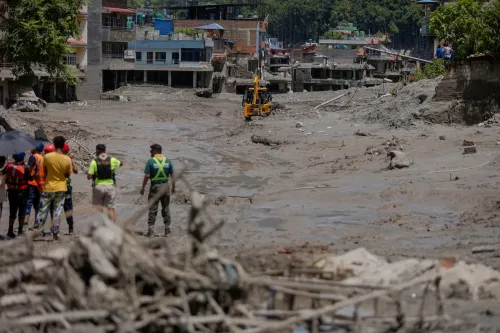
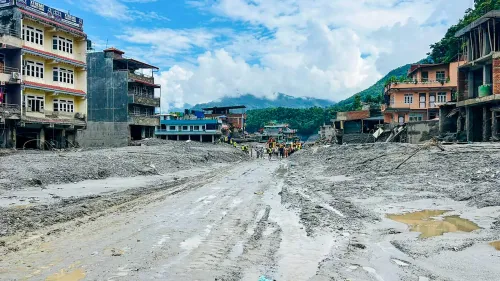
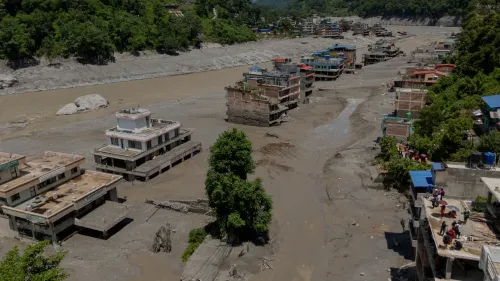
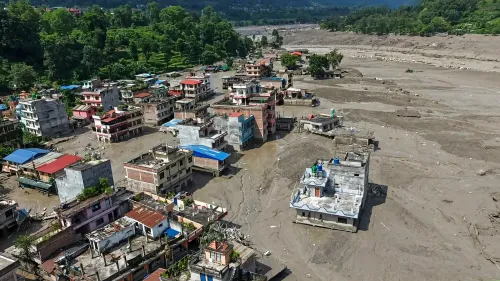
Separately, nine South Koreans — six Doosan employees and three from the state-run Korea South-East Power Co. — remain unaccounted for after Wednesday's flash flood and mudslide. Officials noted that the missing workers had been staying in different areas from those who were stranded, and that many offices and accommodations in those zones are believed to have been swept away entirely.
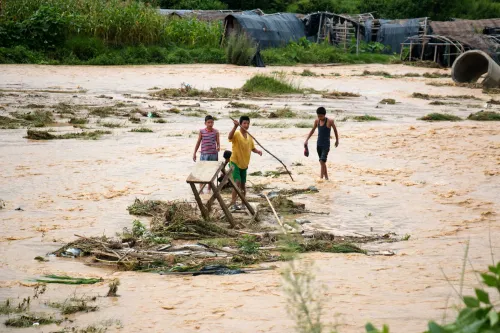
The scale of the broader disaster is severe: the death toll has climbed to at least 165, with 826 people reported missing — many of them foreigners — according to foreign media reports. The U.S. Geological Survey (USGS) has confirmed that a glacial collapse and debris flow caused the catastrophic downstream impacts.
Seoul's Emergency Response
An 11-member rapid response team comprising officials from the foreign ministry, police, and fire authorities departed for Nepal on Thursday and was scheduled to arrive in Kathmandu that evening. 'The team will work closely with our embassy in Nepal and Nepalese authorities to make every effort to search for and rescue our nationals,' ministry spokesperson Park Doo-soon said at a press briefing.
Park also noted that approximately 20,000 South Koreans visit Nepal each year for tourism, and that authorities were checking whether any other nationals had been affected. Foreign Minister Cho Hyun indicated that a larger-scale rescue team — potentially 'dozens of people' — could be deployed if necessary. Cho also held phone talks with Nepalese Foreign Minister Shisir Khanal, expressing condolences and requesting active support for the search and rescue effort.
During an emergency meeting on Thursday, President Lee Jae Myung directed officials to mobilise all available resources to safeguard citizens' lives and safety.
Impact on the Hydropower Project
Both Doosan Enerbility and Korea South-East Power Co. have established emergency response teams and dispatched field units to the site. The 216-megawatt UT-1 facility, which began construction in January 2022 and was scheduled for completion and commercial operation by year-end, is expected to face significant delays due to flood damage at the site.
Access to the affected area remains severely hampered by widespread destruction and rugged terrain, with officials noting that further on-ground coordination is needed before search and rescue operations can be fully scaled up.
Point of View
But the harder story is the nine still missing — and the uncomfortable reality that their accommodations were apparently swept away with little warning. Seoul's rapid response is commendable, yet the episode exposes a systemic gap: large-scale foreign labour deployments in high-altitude, glacially exposed construction zones in Nepal operate with inadequate early-warning infrastructure. The USGS confirmation of a glacial collapse as the trigger is a signal that climate-linked glacial hazards in the Himalayas are no longer a background risk — they are a project-design variable that both governments and companies have consistently underweighted.
NationPress
11 Oct 2026
Frequently Asked Questions
What happened to South Korean workers in Nepal's floods?
A flash flood and mudslide struck Nepal's Rasuwa district on Wednesday, 27 August, trapping or displacing South Korean workers at the Upper Trishuli-1 hydropower plant construction site. Nine of 10 stranded workers were airlifted to safety by a Nepalese military helicopter on Thursday, while nine others remain missing.
Who are the missing South Koreans in Nepal?
The nine missing South Koreans include six employees of plant builder Doosan Enerbility Co. and three staff from the state-run Korea South-East Power Co. Their accommodations and offices at the construction site are believed to have been swept away by the floods, according to officials.
What is the Upper Trishuli-1 hydropower project?
The Upper Trishuli-1 (UT-1) is a 216-megawatt hydropower facility being built on the Trishuli River, about 70 kilometres northwest of Kathmandu. Construction began in January 2022, with commercial operation targeted by year-end 2025, but flood damage is expected to cause significant delays.
How is South Korea responding to the Nepal flood crisis?
Seoul dispatched an 11-member rapid response team — comprising foreign ministry, police, and fire officials — to Kathmandu on Thursday. Foreign Minister Cho Hyun held talks with his Nepalese counterpart and indicated that a larger team of 'dozens' could be sent if needed. President Lee Jae Myung ordered all-out efforts to protect South Korean nationals.
What caused the Nepal floods in Rasuwa district?
The U.S. Geological Survey confirmed that a glacial collapse and debris flow triggered the devastating flash flood and mudslide in Nepal's Rasuwa district. The broader disaster has killed at least 165 people and left 826 missing, many of them foreign nationals working at construction sites in the region.