Are South Asia-Linked Terror Risks a Threat to the US?

Synopsis
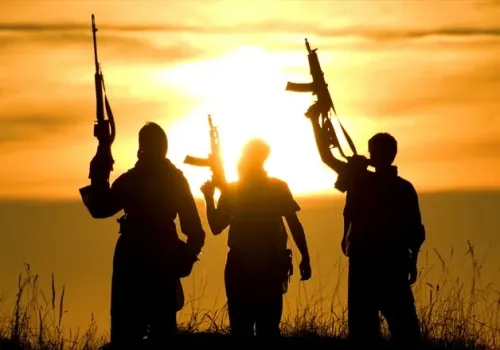
In a recent Congressional hearing, US national security officials warned lawmakers of the persistent threat posed by terrorist groups linked to South Asia, especially those from Pakistan and Afghanistan. As ISIS and al-Qaida leverage modern tactics to inspire violence, concerns about the implications for US homeland security are growing.
Key Takeaways
Terrorist groups from South Asia remain a serious threat to the US.
ISIS and al-Qaida are utilizing modern tactics to inspire violence.
Failures in vetting during the Afghanistan evacuation have raised security concerns.
Political tensions are evident in discussions about immigration and national security.
Vigilance and adaptation are crucial in addressing these evolving threats.
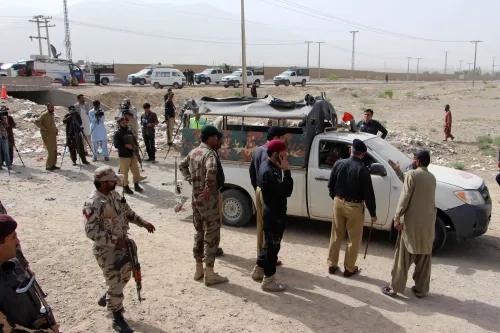
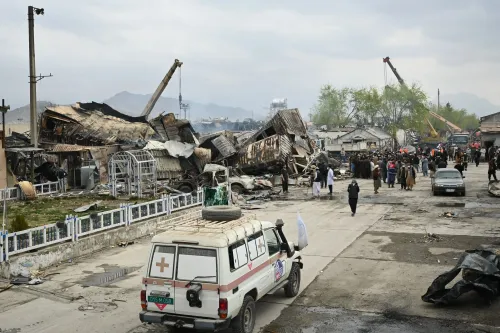
Washington, Dec 17 (NationPress) Senior officials in US national security have informed lawmakers that terrorist organizations with origins in South Asia — notably those linked to Pakistan and Afghanistan — continue to represent a direct and evolving menace to the United States.
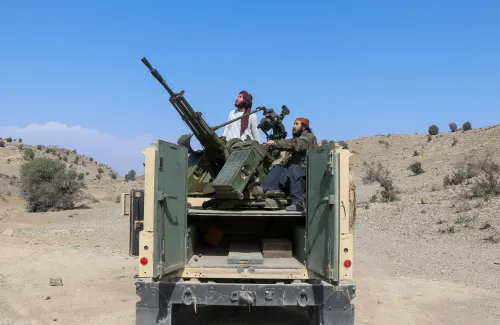
During a Congressional hearing regarding global threats, National Counterterrorism Centre Director Joseph Kent expressed to members of the House Homeland Security Committee that ISIS and al-Qaida remain operational throughout South and Central Asia, with Afghanistan re-emerging as a favorable ground for extremist activities.
“ISIS and al-Qaida have located refuge in regions like Afghanistan,” Kent stated, referring to the unstable nature of those governments and warning that the area continues to produce threats that extend far beyond its borders.
Kent highlighted that US intelligence reports indicate that terror groups with historical ties to Pakistan and Afghanistan are increasingly leveraging online propaganda, encrypted communications, and ideological messaging to incite violence abroad, including within the United States.
“The emerging tactic involves a shift from highly coordinated cellular attacks to an approach that inspires lone actors,” Kent elaborated, noting that individuals radicalized by foreign groups are acting autonomously without direct operational guidance.
FBI National Security Branch Operations Director Michael Glasheen echoed this caution, asserting that international terrorist groups associated with ISIS and al-Qaida continue to be among the most pressing threats to the US homeland, even when the attacks are executed by isolated individuals.
“Some international terrorists are individuals who have been radicalized to violence primarily within the United States,” Glasheen remarked, adding that these individuals are “motivated to commit acts of violence by foreign terrorist organizations such as ISIS and al-Qaida.”
Kent also connected threats originating from South Asia to failures in the vetting process post-Afghanistan evacuation, indicating that US agencies had flagged individuals admitted under emergency protocols who later exhibited links to terrorist groups.
“These are individuals who would typically not be permitted entry into our country due to their associations with jihadi groups like ISIS and al-Qaida,” he noted.
Warnings regarding threats from South Asia emerged early in a hearing that escalated into heated political exchanges, including a confrontational dialogue between Indian American Congressman Shri Thanedar and Homeland Security Secretary Kristi Noem.
Thanedar accused Noem of misleading Congress concerning immigration enforcement and compliance with court orders, stating, “Secretary Noem, you lied to me under oath that day,” while pressing her on her claims regarding US citizens not being detained by immigration authorities.
Noem refuted the accusation, asserting, “The Department of Homeland Security and this administration adhere to all federal court orders. We always have and always will.” She emphasized that DHS had “never detained — or deported — an American citizen,” clarifying that individuals might be held temporarily until their identities are confirmed.
The exchange intensified, with Thanedar expressing, “I am tired of your lies. The American people demand honesty,” and questioning if Noem would resign if not dismissed. Noem sharply retorted: “I will consider your request for my resignation as an endorsement of my performance.”
The committee was established following the September 11, 2001, attacks, which resulted in nearly 3,000 deaths. US officials persist in warning that instability in South Asia — particularly concerning Afghanistan and Pakistan-linked terrorist networks — is closely associated with global and homeland security challenges, even as the landscape of terrorism continues to evolve.
Point of View
It is imperative to recognize the significance of these warnings from national security officials. The connection between terrorism and instability in South Asia cannot be overlooked. It is crucial for our nation to remain vigilant, as the evolving nature of these threats poses serious challenges to our homeland security. We must approach this issue with diligence and a commitment to understanding its complexities.
NationPress
9 Oct 2026
Frequently Asked Questions
What terrorist groups are linked to South Asia?
The primary terrorist groups linked to South Asia include ISIS and al-Qaida, particularly their networks in Pakistan and Afghanistan.
How are these groups posing a threat to the US?
These groups are leveraging online propaganda and modern communication methods to inspire acts of violence within the United States.
What role did the Afghanistan evacuation play in security threats?
Post-Afghanistan evacuation, failures in vetting processes have allowed individuals with ties to terrorist organizations to enter the US under emergency programs.
What is the significance of the congressional hearing?
The hearing highlighted the ongoing threats posed by South Asia-linked terrorist groups and involved intense political discussions regarding immigration and national security.
What actions are being taken to address these threats?
US intelligence agencies are continually assessing the risk from these groups and adapting strategies to counter their evolving tactics.