South Korea Criticizes North Korea's Missile Tests as UNSC Violations and Demands Action

Synopsis
In a strong response to North Korea's recent missile launches, South Korea's National Security Office has condemned these acts as violations of UN resolutions and called for an immediate halt. This escalating tension has significant implications for regional security.
Key Takeaways
South Korea's National Security Office condemns North Korea's missile launches.
The launches are seen as a violation of UNSC resolutions .
Emergency meetings are held to discuss security implications .
The missile tests coincide with the Freedom Shield military exercise .
South Korean and US forces are conducting joint military drills .
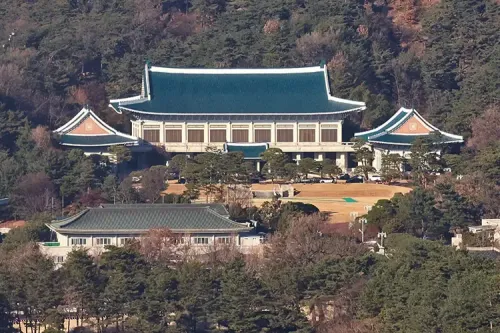
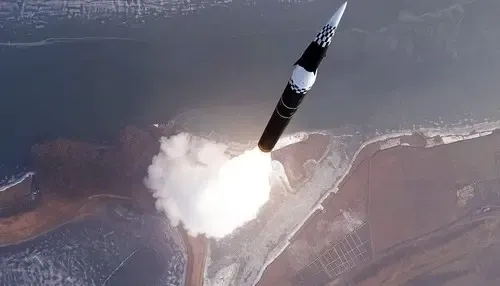
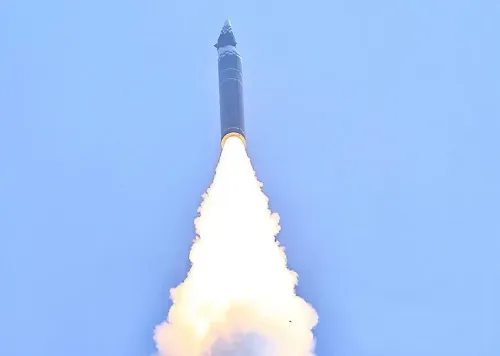
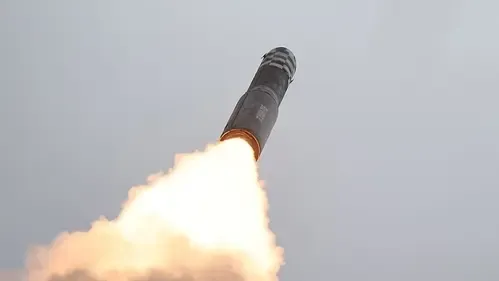
Seoul, March 14 (NationPress) The South Korean presidential office responsible for National Security has condemned the recent ballistic missile launches by North Korea on Saturday, labeling them as violations of UN Security Council (UNSC) resolutions and urging for an immediate cessation.
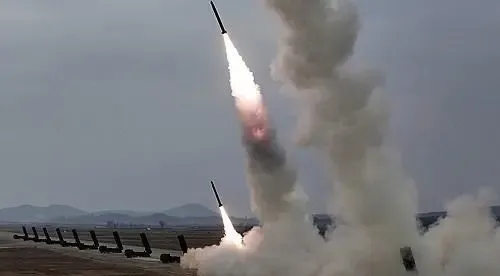
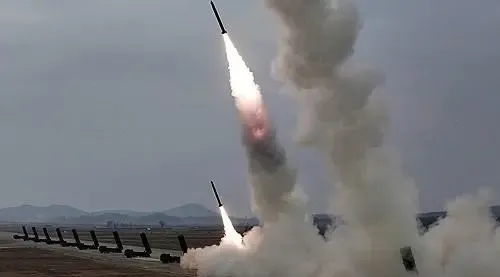
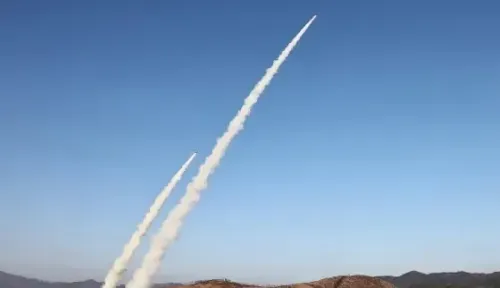
This statement followed an emergency security assessment meeting convened shortly after North Korea launched approximately 10 ballistic missiles towards the East Sea.
"The recent missile tests by North Korea represent a serious provocation breaching UNSC resolutions, and we demand an urgent stop to these actions," the office stated in a press release.
The office also updated President Lee Jae Myung on the specifics of the missile launches and South Korea's strategic responses.
The meeting included officials from the defense ministry and the Joint Chiefs of Staff, focusing on the implications of the missile launches for South Korea's safety and discussing necessary counteractions. They also emphasized the need for comprehensive preparedness at home, as reported by the Yonhap news agency.
The missiles were launched around 1:20 p.m. from Sunan, close to Pyongyang, traveling approximately 350 kilometers. The South Korean military, in collaboration with the United States, is currently analyzing the specifications of the missiles.
This marks the first ballistic missile test conducted by the North since its last launch on January 27. The simultaneous launch of about 10 missiles appears to be a reaction to the ongoing annual spring military exercise, named Freedom Shield, between Seoul and Washington, which began on Monday and will continue for 11 days.
In a related development, South Korean and US forces conducted joint river-crossing drills in the border area of Yeoncheon on Saturday as part of their annual key springtime exercise aimed at improving interoperability between the allies.
This field training took place on the Imjin River in Yeoncheon, located approximately 50 kilometers north of Seoul, and involved around 200 units of equipment, including KM3 amphibious bridging vehicles and ribbon bridge systems, according to military sources.
Point of View
The gravity of North Korea's missile tests cannot be overstated. Such provocations not only threaten regional security but also challenge international norms. South Korea's response is crucial in maintaining peace and stability in the area while ensuring that the nation is prepared for any eventuality.
NationPress
19 Sept 2026
Frequently Asked Questions
What is the significance of North Korea's missile launches?
North Korea's missile launches are significant as they breach UN Security Council resolutions and increase regional tensions, prompting urgent responses from South Korea and its allies.
How has South Korea responded to these missile tests?
South Korea has condemned the missile launches as provocations and called for an immediate halt, holding emergency meetings to discuss security measures and counteractions.
What are the implications of the Freedom Shield military exercise?
The Freedom Shield military exercise, taking place concurrently with North Korea's missile tests, aims to enhance interoperability between South Korean and US forces, highlighting their commitment to regional security.
What actions is South Korea taking in response to the missile launches?
South Korea is analyzing the missile specifications with US support and is reviewing its defense strategies to ensure comprehensive readiness against potential threats.
When did North Korea last conduct a missile test before this incident?
North Korea's last missile test occurred on January 27, making this the first test since then.